


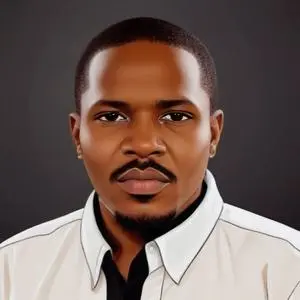
Founded the Black Consciousness Movement, a grassroots movement that empowered black people to take pride in their heritage and resist apartheid. He's known for his powerful writings and activism that inspired a generation of South Africans to fight for their rights.
Steve Biko, a charismatic South African anti-apartheid activist, is renowned for spearheading the Black Consciousness Movement (BCM) during the late 1960s and 1970s. Through his writings, speeches, and grassroots organizing, Biko galvanized black South Africans to challenge the oppressive apartheid regime and demand equal rights and dignity.
Born on December 18, 1946, in King William's Town, Eastern Cape, South Africa, Biko grew up in a poor Xhosa family in Ginsberg township. He pursued medical studies at the University of Natal, where he became involved with the National Union of South African Students (NUSAS) in 1966.
Frustrated by NUSAS's dominance by white liberals, Biko believed that black people needed to organize independently to effect change. He co-founded the South African Students Organisation (SASO) in 1968, an all-black student union that aimed to empower black students and challenge apartheid. SASO's creation marked a significant shift in the anti-apartheid movement, as it was the first time black voices were amplified and whites were excluded.
Biko's philosophical framework was deeply influenced by Frantz Fanon's concepts of black identity and liberation. He also drew inspiration from the African-American Black Power movement. Biko's central ideology centered on the notion that black people needed to reclaim their dignity, identity, and autonomy to overcome the psychological and material effects of apartheid.
Biko's legacy extends far beyond his untimely death. The Black Consciousness Movement inspired a generation of South Africans to challenge apartheid and demand equality. His ideas continue to influence social justice movements globally, emphasizing the importance of self-empowerment, collective action, and challenging systemic oppression.
"The most potent weapon in the hands of the oppressor is the mind of the oppressed."
Biko's martyrdom galvanized international outrage against apartheid, contributing to the eventual collapse of the regime in 1994. His legacy has been honored through various tributes, including the naming of the Steve Biko Academic Hospital in Pretoria and the establishment of the Steve Biko Foundation.
Biko's grassroots approach and emphasis on black autonomy distinguished him from other anti-apartheid leaders, such as Nelson Mandela and Oliver Tambo, who focused on inclusive, multiracial opposition to apartheid.
Biko maintained close relationships with fellow activists, including Mamphela Ramphele, a medical student who would later become his wife. He was known for his charisma, humility, and willingness to engage in robust debates.
The 1987 film "Cry Freedom" tells the story of Biko's life and death, starring Denzel Washington as Biko. The film helped raise international awareness about apartheid and Biko's contributions to the struggle.
Biko was posthumously awarded the Order of Mapungubwe in Gold in 2002, one of South Africa's highest honors, in recognition of his role in the anti-apartheid struggle.
Born in 1918
A South African lawyer and politician who fought against apartheid, becoming the country's first black president and a symbol of racial reconciliation, earning a Nobel Peace Prize. He's a beacon of hope and freedom.
Born in 1912
A leading figure in the fight against apartheid, he was a co-founder of the African National Congress and spent 25 years in prison for his activism. He played a key role in shaping South Africa's transition to democracy.
Born in 1917
A leading figure in the fight against apartheid, he served as President of the African National Congress and played a crucial role in mobilizing international opposition to the racist regime.
Born in 1926
A Lithuanian-born South African revolutionary who fought against apartheid, leading the armed wing of the African National Congress and playing a key role in the country's transition to democracy.
97 Years Old
A South African anti-apartheid activist who spent 26 years in prison, including 18 years on Robben Island with Nelson Mandela, fighting for racial equality and democracy.
Born in 1905
A fierce anti-apartheid activist who fought tirelessly for women's rights and social justice in South Africa, often facing imprisonment and harassment for her courageous stance.
95 Years Old
A prominent religious leader and human rights advocate who fought against apartheid and racism, known for his tireless efforts to promote equality and forgiveness.
