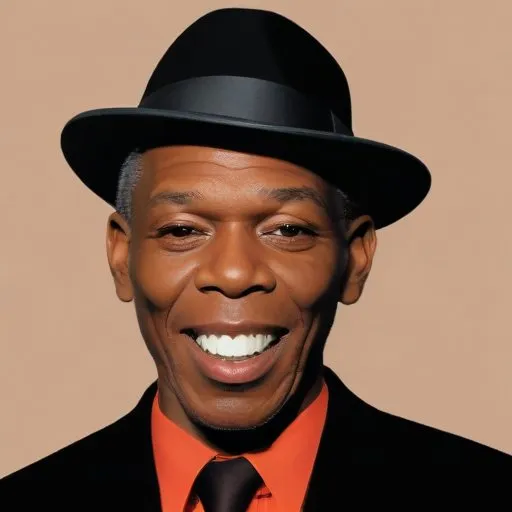
Sunnyland Slim: The Pioneering Blues Pianist of Chicago
A Legacy of Soulful Sounds
Sunnyland Slim, born Albert Luandrew, was a renowned American blues pianist who played a pivotal role in shaping the post-war blues scene in Chicago. With his unique piano style, characterized by heavy basses and vamping chords, Slim left an indelible mark on the blues genre, inspiring a generation of musicians.
Early Life and Musical Beginnings
Born on September 5, 1906, in Quitman County, Mississippi, Slim grew up on a farm near the unincorporated settlement of Vance. His love for music was sparked at an early age, and he began performing in Memphis, Tennessee, in 1925, sharing the stage with prominent blues musicians of the time. His stage name, Sunnyland Slim, was derived from the song "Sunnyland Train," which referred to a railroad line between Memphis and St. Louis, Missouri.
The Chicago Blues Scene
In 1942, Slim made his way to Chicago, where he became an integral part of the burgeoning electric blues scene. He collaborated with legendary musicians such as
Muddy Waters,
Howlin' Wolf, Robert Lockwood Jr., and
Little Walter, contributing to the development of the distinctive Chicago blues sound. Slim's piano style, characterized by heavy basses and vamping chords, perfectly complemented the energetic and soulful atmosphere of the Chicago blues scene.
Recording Career and Collaborations
Slim's first recording was as a singer with Armand "Jump" Jackson's band for Specialty Records in September 1946. He went on to release records with HyTone Records and Aristocrat Records in late 1947, marking the beginning of a successful recording career. In the late 1960s, Slim befriended members of the band Canned Heat and played piano on their album "Boogie with Canned Heat." In return, Canned Heat's Henry Vestine,
Alan Wilson, and Larry Taylor contributed to Slim's Liberty Records album "Slim's Got His Thing Goin' On" (1969).
Awards and Recognition
Slim's contributions to the blues genre were widely recognized, earning him the respect of his peers and critics alike. Chicago broadcaster and writer
Studs Terkel hailed Slim as "a living piece of our folk history, gallantly and eloquently carrying on in the old tradition."
Legacy and Impact
Sunnyland Slim's legacy extends far beyond his own music. He played a significant role in shaping the Chicago blues sound, influencing a generation of musicians, including blues legends like Muddy Waters and Howlin' Wolf. Slim's music continues to inspire new generations of blues enthusiasts, ensuring his place in the pantheon of blues greats.
Personal Milestones and Key Life Events
- September 5, 1906: Born in Quitman County, Mississippi
- 1925: Began performing in Memphis, Tennessee
- 1942: Moved to Chicago, Illinois
- 1946: First recording with Armand "Jump" Jackson's band
- 1969: Released "Slim's Got His Thing Goin' On" with Canned Heat
- March 17, 1995: Passed away
Quotes and Memorable Sayings
"I'm not just a pianist, I'm a storyteller. My music tells the story of my life, of my people, and of the struggles we faced." - Sunnyland Slim
FAQ
What was Sunnyland Slims role in the development of Chicago blues?
Sunnyland Slim was a key figure in the development of Chicago blues, known for his soulful and energetic piano playing, and his mentorship of other notable blues musicians such as Muddy Waters and Howlin Wolf.
What were Sunnyland Slims most popular songs?
Sunnyland Slims most popular songs include Johnson Machine Gun, Devil Is a Busy Man, and Be My Baby, which showcased his unique blend of blues and boogie-woogie styles.
How did Sunnyland Slim get his stage name?
Sunnyland Slim got his stage name from his father, who was a preacher and called Sunnyland due to his bright and cheerful demeanor.
What awards did Sunnyland Slim win during his career?
Sunnyland Slim won a Grammy Award for Best Traditional Blues Album for his 1984 album Sunnyland Slim.
What is Sunnyland Slims legacy in the blues genre?
Sunnyland Slims legacy in the blues genre is that of a pioneering figure who helped shape the sound of Chicago blues, and inspired generations of blues musicians to come.