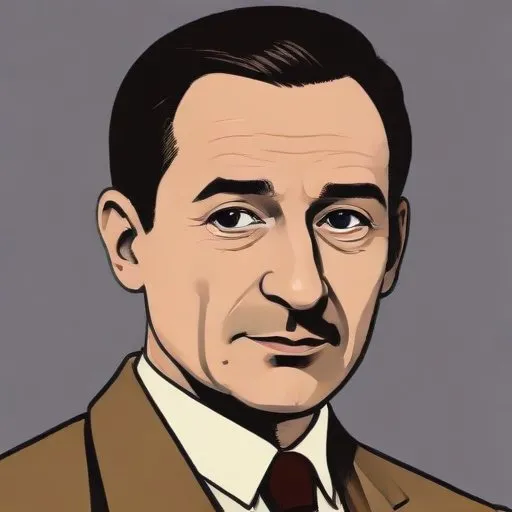
Tadeusz Łychiewicz: A Polish Literary Icon
A Life of Literary Pursuits
Tadeusz Łychiewicz was a Polish journalist, art historian, religious publicist, theologian, and Biblicist who left an indelible mark on the literary world. He is best known for his work as the editor of Tygodnik Powszechny, a prominent Polish Catholic weekly magazine, as well as his numerous publications on theology, biblical studies, and art history.
Awards and Honors
Łychiewicz's literary contributions were recognized with several awards and honors, including the prestigious Award of the Polish Minister of Culture and Art for his publication series "Cnoty i niecnoty" (Virtues and Vices).
Literary Works
Łychiewicz's literary output was prolific, with over 20 books to his credit. Some of his notable works include:
- "Cnoty i niecnoty" (Virtues and Vices), a publication series that explores the human condition through the prism of virtues and vices.
- "Poczta Ojca Malachiasza" (Father Malachy's Post), a collection of essays that delve into the world of art, culture, and spirituality.
- "Dom Ojca Rok Mateusza, rok Marka, rok Łukasza" (The House of the Father: The Year of Matthew, Mark, and Luke), a theological exploration of the Gospel of Matthew, Mark, and Luke.
- "Dziesięć przykazań" (The Ten Commandments), a biblical study of the Decalogue.
- "Ignacy Loyola" (Ignatius of Loyola), a biography of the founder of the Jesuit Order.
- "Jajko miejscami wiejące, czyli pytania dla teologów" (The Egg that Whispers, or Questions for Theologians), a collection of essays that challenge theological assumptions.
- "Ludzie Ziemi Świętej" (People of the Holy Land), a collection of articles that explore the lives and experiences of people in the Holy Land.
- "Ludzkie drogi" (Human Paths), a collection of Łychiewicz's publications from Tygodnik Powszechny.
Theological Contributions
Łychiewicz's theological contributions were significant, particularly in the areas of biblical studies and art history. His work "Stare Przymierze" (The Old Testament) is a testament to his erudition and scholarship.
Personal Life and Milestones
Born on January 12, 1922, in Bratkowice, Poland, Łychiewicz was a soldier in the Armia Krajowa (Home Army) during World War II. After the war, he dedicated his life to literary pursuits, becoming one of Poland's most respected and beloved writers.
Influence on Modern Society
Łychiewicz's literary works have had a profound impact on modern Polish society, shaping the country's cultural and intellectual landscape. His commitment to exploring the human condition through the prism of faith, art, and literature has inspired generations of Poles.
Legacy
Tadeusz Łychiewicz's legacy is one of literary excellence, theological erudition, and cultural significance. His works continue to inspire and challenge readers, ensuring his place as one of Poland's most important literary figures of the 20th century.
FAQ
What was Tadeusz Żychiewiczs role in Polish journalism?
Tadeusz Żychiewicz was a prominent journalist and historian in Poland, known for his in-depth reporting on politics and society. He worked for several major newspapers and was a respected commentator on current events.
What awards did Tadeusz Żychiewicz receive for his work?
Tadeusz Żychiewicz received several awards for his work, including the Polish Journalists Association Award and the Kazimierz Moczarski Award for outstanding journalism.
What were Tadeusz Żychiewiczs research interests?
Tadeusz Żychiewiczs research interests included modern Polish history, politics, and society. He was particularly interested in the role of the media in shaping public opinion.
What books did Tadeusz Żychiewicz write?
Tadeusz Żychiewicz wrote several books on Polish history and politics, including The History of Poland and Poland in the 20th Century. His books are considered essential reading for anyone interested in Polish studies.
What is Tadeusz Żychiewiczs legacy in Polish journalism?
Tadeusz Żychiewiczs legacy in Polish journalism is that of a dedicated and thorough journalist who contributed significantly to the development of the field. He is remembered for his commitment to objective reporting and his ability to explain complex issues in clear terms.