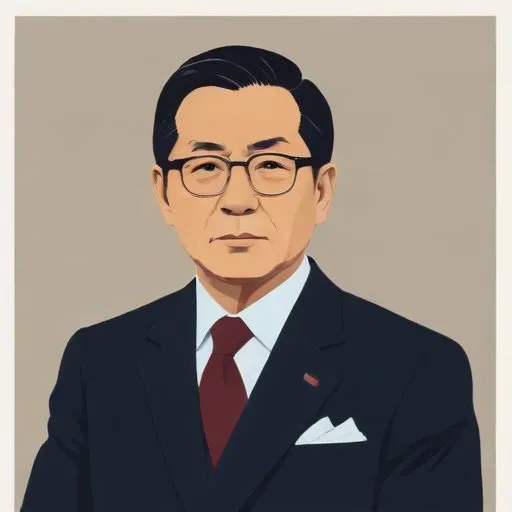
Takahashi Korekiyo: The Visionary Who Shaped Japan's Economy
A Legacy of Reform and Controversy
Takahashi Korekiyo, the 20th Prime Minister of Japan, is remembered for his audacious economic reforms that pulled Japan out of the Great Depression, but also led to his untimely demise. From introducing Japan's first patent system to abolishing the gold standard, Takahashi's unorthodox policies continue to fascinate economists and historians alike.
Early Life and Education
Born on July 27, 1854, in Edo (modern-day Tokyo), Takahashi was the illegitimate son of a court painter and adopted by a low-ranking samurai. He studied English language and American culture at a private school run by missionary James Hepburn, which later became Meiji Gakuin University. In 1867, he traveled to the United States, where he worked as a menial laborer and later claimed to have been sold into slavery, although this account is disputed.
Rise to Prominence
After returning to Japan in 1868, Takahashi taught English conversation before becoming the first master of the Kyritsu Gakkō high school. He entered politics in 1892, serving as a member of the House of Representatives and later as Minister of Finance. In 1921, he became the Prime Minister of Japan, a position he held until 1922.
Takahashi's most notable achievements include:
- Introducing Japan's first patent system, promoting innovation and industrialization.
- Securing foreign financing for the Russo-Japanese War, which enabled Japan to emerge victorious.
- Abolishing the gold standard, lowering interest rates, and using the Bank of Japan to finance deficit spending, pulling Japan out of the Great Depression.
However, his policies were not without controversy. Takahashi's decision to cut government spending in 1935 led to unrest within the Japanese military, ultimately contributing to his assassination in 1936.
Legacy and Impact
Takahashi's policies had a profound impact on Japan's economy, although their consequences were complex and multifaceted. While he successfully navigated Japan out of the Great Depression, his assassination led to soaring inflation and a reluctance among his successors to curb government spending.
Despite his controversies, Takahashi's legacy continues to influence Japanese economic policies. His willingness to challenge conventional wisdom and implement unorthodox reforms has inspired generations of economists and policymakers.
Personal Milestones and Key Life Events
- Born on July 27, 1854, in Edo (modern-day Tokyo)
- Traveled to the United States in 1867, where he worked as a menial laborer
- Returned to Japan in 1868 and taught English conversation
- Became the first master of the Kyritsu Gakkō high school
- Entered politics in 1892, serving as a member of the House of Representatives and later as Minister of Finance
- Became the Prime Minister of Japan in 1921, serving until 1922
- Assassinated on February 26, 1936
Visual Timeline and Milestones
| 1854 |
Born in Edo (modern-day Tokyo) |
| 1867 |
Traveled to the United States |
| 1868 |
Returned to Japan and taught English conversation |
| 1892 |
Entered politics, serving as a member of the House of Representatives and later as Minister of Finance |
| 1921 |
Became the Prime Minister of Japan |
| 1935 |
Cut government spending, leading to unrest within the Japanese military |
| 1936 |
Assassinated on February 26 |
Inspirational Quotes and Memorable Sayings
"The economy is like a patient, and the doctor must sometimes take drastic measures to save its life."
Takahashi Korekiyo's life was a testament to his unwavering commitment to Japan's economic development. Despite the controversies surrounding his policies, his legacy continues to inspire and challenge policymakers and economists alike.
FAQ
What is Takahashi Korekiyos most notable achievement as Prime Minister of Japan?
Takahashi Korekiyos most notable achievement as Prime Minister of Japan was his implementation of economic reforms, including the establishment of the Japanese central bank.
What was Takahashi Korekiyos role in Japanese politics?
Takahashi Korekiyo was a prominent figure in Japanese politics, serving as Prime Minister, Minister of Finance, and leader of the Rikken Seiyūkai party.
What are some of Takahashi Korekiyos notable policies?
Takahashi Korekiyo implemented several notable policies, including the promotion of Japanese industry, the expansion of Japanese trade, and the establishment of a national budget system.
What was Takahashi Korekiyos educational background?
Takahashi Korekiyo studied at the University of Tokyo, where he earned a degree in law. He later went on to study at the University of Cambridge, where he earned a degree in economics.
What awards did Takahashi Korekiyo receive for his service?
Takahashi Korekiyo received several awards for his service, including the Order of the Paulownia Flowers and the Grand Cordon of the Order of the Rising Sun.