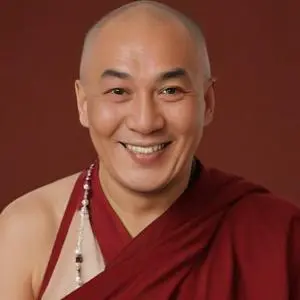
Tenzin Gyatso: The 14th Dalai Lama and Champion of Peace
A Brief Introduction
Tenzin Gyatso, born Lhamo Dhondup on July 6, 1935, is the 14th Dalai Lama, the spiritual leader of the Tibetan people, and a global icon of peace, compassion, and non-violent conflict resolution. As the reincarnation of the Bodhisattva of Compassion, Avalokiteshvara, he has dedicated his life to promoting interfaith dialogue, human rights, and environmental protection, earning him the Nobel Peace Prize in 1989.
Early Life and Education
Born in the small village of Taktser, Amdo, northeastern Tibet, Lhamo Dhondup was recognized as the reincarnation of the
13th Dalai Lama at the age of two. He began his monastic education at the age of five, studying Buddhist philosophy, psychology, and metaphysics under the guidance of esteemed Tibetan scholars. In 1950, at the age of 15, he was officially enthroned as the Dalai Lama, taking on the responsibilities of leading the Tibetan government.
Philosophical Contributions and Beliefs
As a champion of Tibetan Buddhism, the Dalai Lama has written extensively on the importance of cultivating compassion, forgiveness, and mindfulness in daily life. He has developed a unique approach to Buddhism, blending traditional Tibetan practices with modern scientific inquiry and Western philosophical perspectives. His teachings emphasize the interconnectedness of all beings and the need for global cooperation to address pressing issues such as poverty, inequality, and environmental degradation.
Influence on Modern Society
The Dalai Lama's message of peace, non-violence, and interfaith understanding has resonated with people from diverse backgrounds, inspiring a global movement of compassion and social activism. He has influenced world leaders, including
Nelson Mandela,
Mikhail Gorbachev, and
Barack Obama, and has been a vocal advocate for human rights, women's empowerment, and environmental protection. His tireless efforts to promote global understanding have earned him numerous awards and honors, including the Congressional Gold Medal in 2007.
Career Highlights and Major Works
- Achieving peace and autonomy for the Tibetan people through non-violent resistance
- Authoring over 70 books on Buddhism, philosophy, and personal development, including "The Art of Happiness" and "Ethics for the New Millennium"
- Founding the Tibetan Government-in-Exile and establishing the Central Tibetan Administration
- Establishing the Mind and Life Institute, a platform for dialogue between scientists and Buddhist scholars
Personal Milestones and Key Life Events
- Fleeing to India in 1959 following the Tibetan Uprising and the Chinese invasion of Tibet
- Meeting with world leaders, including Pope John Paul II, Nelson Mandela, and Martin Luther King Jr.
- Receiving the Nobel Peace Prize in 1989 for his non-violent struggle for Tibetan independence
- Conducting numerous international tours, teaching Buddhism and promoting interfaith dialogue
Quotes and Memorable Sayings
- "The goal is not to be better than the other man, but your previous self."
- "Compassion is the radicalism of our time."
- "When we meet real tragedy in life, we can react in two ways – either by losing hope and falling into self-destructive habits, or by using the challenge to find our inner strength."
Historical Context and Legacy
The Dalai Lama's life and teachings are deeply rooted in Tibetan history and culture. As the symbol of Tibetan identity and resistance, he has played a pivotal role in shaping the country's struggle for independence and autonomy. His message of peace, compassion, and non-violence has transcended borders, inspiring a global movement of social change and advocacy.
Charitable Work and Social Contributions
The Dalai Lama has been a vocal advocate for various social and environmental causes, including:
- Supporting education and healthcare initiatives for Tibetan refugees and underprivileged communities
- Advocating for environmental protection and conservation, including the preservation of the Himalayan ecosystem
- Promoting interfaith dialogue and understanding through initiatives such as the World Parliament of Religions
As the Dalai Lama continues to inspire and guide generations, his legacy as a champion of peace, compassion, and non-violence will endure, leaving an indelible mark on human history.
FAQ
What is the significance of Tenzin Gyatso as the Dalai Lama?
Tenzin Gyatso is the 14th Dalai Lama, the spiritual leader of the Tibetan people, and a Nobel laureate. He has been the symbol of Tibetan independence and a champion of peace, compassion, and human rights worldwide.
What is Tenzin Gyatsos role in Tibetan Buddhism?
As the Dalai Lama, Tenzin Gyatso is the highest spiritual authority in Tibetan Buddhism, guiding millions of followers worldwide. He has worked tirelessly to promote interfaith dialogue, preserve Tibetan culture, and advocate for Tibetan autonomy.
Has Tenzin Gyatso written any influential books?
Yes, Tenzin Gyatso has written numerous books on spirituality, philosophy, and Tibetan culture, including The Art of Happiness and A Profound Mind. His writings offer insights into the nature of consciousness, ethics, and the cultivation of compassion.
What is Tenzin Gyatsos stance on Tibetan independence?
Tenzin Gyatso has advocated for Tibetan autonomy and self-rule, seeking a peaceful resolution to the Tibetan-Chinese conflict. He has also encouraged Tibetan-Chinese dialogue and reconciliation, while emphasizing the importance of preserving Tibetan identity and culture.
What are Tenzin Gyatsos humanitarian efforts?
Tenzin Gyatso has dedicated his life to promoting global peace, human rights, and social justice. He has worked with various organizations to support education, healthcare, and environmental initiatives, and has been a vocal advocate for the rights of marginalized communities.