


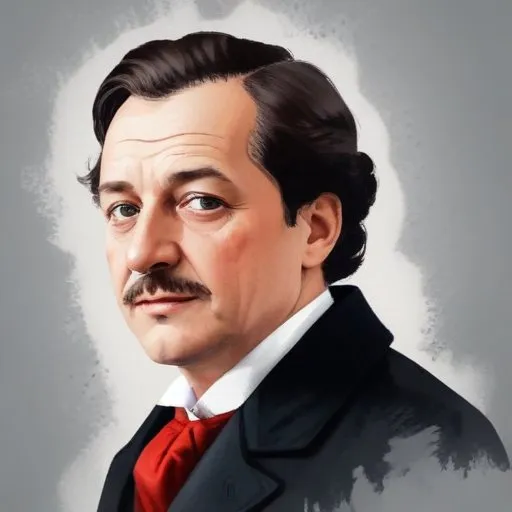
A 19th-century literary mastermind, renowned for crafting poignant novels and poetry that explored the human condition, particularly in the context of German society during the late 1800s.
Regarded by many as the most important 19th-century German-language realist author, Theodor Fontane is best known for his meticulously crafted novels that delved into the complexities of human relationships, social class, and the nuances of the German Empire.
Born on December 30, 1819, in Neuruppin, a town northwest of Berlin, Fontane was part of a Huguenot family. His early life was marked by an apprenticeship to an apothecary at the age of 16, a profession he would later adopt.
Fontane's writing career began in 1839 with the publication of his novella, Geschwisterliebe (Sibling Love), in the Berlin Figaro. This marked the beginning of a long and fruitful literary journey that would span over five decades.
Fontane's writing style is characterized by its realism, attention to detail, and refusal to impute motives to his characters. His novels are known for their complex portrayal of society, exploring themes that were considered taboo during his time, including marital infidelity, class differences, and suicide.
Some of Fontane's most notable works include:
Fontane's work has had a profound impact on modern German literature, influencing many notable authors, including Thomas Mann and Günter Grass. His novels have been adapted into films and audio works, ensuring his legacy continues to be felt.
Fontane's work is characterized by a strong sense of social commentary, critiquing the mores of the German Empire and the constraints of social class. His writing reflects a deep understanding of human nature, revealing the complexities and contradictions of human relationships.
Fontane's personal life was marked by a strong bond with his wife, Emilie Rouanet-Kummer, whom he married in 1850. He passed away on September 20, 1898, leaving behind a legacy that continues to inspire and influence generations of writers and readers.
In conclusion, Theodor Fontane's remarkable life and work have left an indelible mark on German literature, cementing his position as one of the most important writers of the 19th century.
Born in 1821
A pioneering realist novelist who crafted meticulous, psychologically nuanced portrayals of 19th-century French life, particularly in his iconic novel "Madame Bovary".
Born in 1799
A prolific writer who created a vast array of characters and stories that explored the human condition, particularly in the context of post-Napoleonic France. His works are considered a cornerstone of French literature.
Born in 1840
A pioneering figure in naturalist literature, known for his influential novels that exposed social ills and championed reform, such as "Germinal" and "Nana".
Born in 1821
A Russian literary mastermind who penned psychologically complex novels that probed the human condition, exploring themes of morality, philosophy, and the darker aspects of human nature.
Born in 1828
A Russian literary giant who penned sweeping novels like "War and Peace" and "Anna Karenina", exploring the human condition with profound insight and masterful storytelling.
Born in 1875
A renowned literary mastermind, celebrated for crafting complex, psychologically rich novels that probed the human condition, often blending philosophy and art.
Born in 1883
A writer of surreal, psychologically complex fiction that explores the human condition, often featuring isolated protagonists in absurd, nightmarish scenarios.
Born in 1871
A French literary mastermind who penned the monumental, introspective novel "In Search of Lost Time", exploring the human experience through vivid, nostalgic storytelling.
