


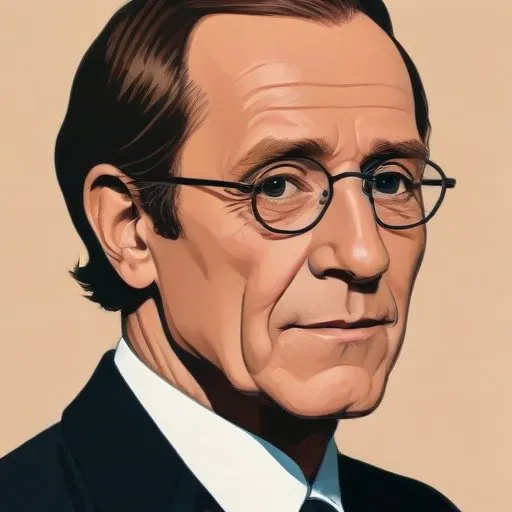
A pioneering abolitionist who wrote influential books and lectured extensively to end slavery, shaping public opinion and inspiring social change.
Theodore Dwight Weld, a visionary writer, editor, speaker, and organizer, played a pivotal role in shaping the American abolitionist movement during its formative years from 1830 to 1844. He is best known for co-authoring the authoritative compendium American Slavery as It Is: Testimony of a Thousand Witnesses, published in 1839, which had a profound impact on the antislavery movement.
Weld was born on November 23, 1803, in Hampton, Connecticut, to a family of Congregational ministers. His mother, incidentally, owned slaves. At the tender age of 14, Weld took over his father's 100-acre farm near Hartford, Connecticut, to earn money to study at Phillips Academy in Andover, Massachusetts, where he attended from 1820 to 1822.
Weld's exposure to slavery at a young age sparked a fire within him, and he became determined to fight for its abolition. He was deeply influenced by the writings of William Lloyd Garrison, a prominent abolitionist, and soon became an ardent advocate for the cause.
In 1839, Weld co-authored American Slavery as It Is: Testimony of a Thousand Witnesses, a comprehensive and damning exposé of the brutal reality of slavery in the United States. The book, which drew heavily from Weld's own research and experiences, presented a scathing indictment of the institution, offering graphic descriptions of the cruelty, violence, and inhumanity of slavery.
Harriet Beecher Stowe, author of Uncle Tom's Cabin, partly based her novel on Weld's text, and the two works are often regarded as the most influential antislavery writings of the time.
Weld's tireless efforts as a writer, editor, speaker, and organizer played a significant role in shaping the American abolitionist movement. His writings, speeches, and letters inspired countless others to join the cause, and his commitment to the movement remained unwavering until slavery was finally abolished with the passage of the Thirteenth Amendment to the United States Constitution in 1865.
Despite his immense contributions to the abolitionist movement, Weld shunned the limelight, refusing to accept offices of authority or honor in any antislavery organization. He preferred to work behind the scenes, dedicating himself to laboring in rural areas where his efforts often went unreported by the mainstream media.
Weld's humility and dedication to the cause earned him the respect and admiration of his contemporaries, including Lyman Beecher, who described him as "eloquent as an angel, and as powerful as thunder."
Theodore Dwight Weld's remarkable life and work have left an indelible mark on American history. His commitment to the abolitionist movement, his influential writings, and his selfless dedication to the cause have inspired generations to fight for social justice and human equality.
Though he may have chosen to remain in the shadows, Weld's legacy shines brightly as a beacon of hope and a testament to the power of human compassion and determination.
Born in 1805
Founded an influential abolitionist newspaper, The Liberator, to advocate for the immediate emancipation of slaves. Known for his radical and uncompromising stance against slavery.
Born in 1811
Wrote influential abolitionist novels, including "Uncle Tom's Cabin", which humanized the horrors of slavery and fueled the anti-slavery movement.
Born in 1800
Abolitionist who led the raid on Harpers Ferry, a pivotal event that helped spark the American Civil War, fighting to end slavery through radical action.
Born in 1803
A leading figure in the Transcendentalist movement, he advocated for individualism, self-reliance, and nature-inspired spirituality through his essays and poetry. His ideas continue to influence American thought and culture.
Born in 1817
A 19th-century thinker who advocated for simple living, civil disobedience, and individualism, inspiring generations to reevaluate their relationship with nature and society.
Born in 1802
A pioneering writer and abolitionist who penned influential works on social justice and women's rights, leaving a lasting impact on American literature and social reform.
