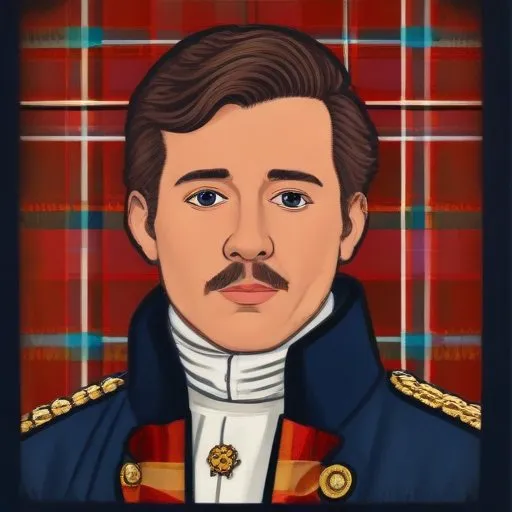
Thomas Bruce, 1st Earl of Elgin: The Scottish Nobleman Who Shaped History
A Life of Nobility and Distinction
Thomas Bruce, 1st Earl of Elgin, is renowned for his impressive lineage, strategic alliances, and unwavering loyalty to the British monarchy. As a Scottish nobleman, he left an indelible mark on the 17th century, earning him a place among the most influential figures of his time.
Early Life and Inheritance
Born on December 2, 1599, in Edinburgh, Scotland, Thomas Bruce was the second son of
Edward Bruce, 1st Lord Kinloss, and his wife Magdalene Clerk. Fate had other plans for Thomas, as he succeeded to the Scottish peerage title as 3rd Lord Bruce of Kinloss in 1613, at the tender age of 13, following the untimely death of his elder brother, Edward Bruce, 2nd Lord Kinloss, in a duel.
A Matchmaker and Landowner
In 1614, Thomas Bruce acted as a matchmaker, facilitating a planned marriage between Robert Sidney, son of Viscount Lisle, and Elizabeth Cecil. Although the marriage didn't materialize, this early display of social acumen foreshadowed his future dealings with the British aristocracy. The family estates, including Whorlton Castle and the manor, granted to his father by King James I of England in 1603, fell under his management.
Rise to Prominence
Thomas Bruce's fortunes changed dramatically in 1624, when King James I bestowed upon him Houghton House, near Ampthill, Bedfordshire. This magnificent estate, built by renowned architects John Thorpe and
Inigo Jones, would become the Bruce family's principal residence for over a century. The subsequent grant of Houghton Park by King Charles I, intended for preserving game for the royal hunt, solidified Thomas's status as a trusted noble.
Earl of Elgin and Royal Favors
During King Charles I's period of Personal Rule, Thomas Bruce maintained a strong relationship with the court, attending the King's coronation in Scotland in 1633. This loyalty was rewarded with his creation as Earl of Elgin on June 21, 1633. The year following, he received a Master of Arts degree from the University of Oxford in 1636, further cementing his intellectual and social standing.
Philanthropy and Legacy
Thomas Bruce's contributions extended beyond his noble lineage and royal connections. He demonstrated a commitment to the educational and cultural advancements of his time, as seen in his involvement with Thomas Carew's masque, Coelum Britannicum. Through his life and legacy, Thomas Bruce, 1st Earl of Elgin, has left an indelible mark on British history, illuminating the intricate tapestry of 17th-century nobility and politics.
Historical Context and Lasting Impact
Thomas Bruce's story serves as a testament to the intricate web of alliances, strategic marriages, and royal favors that defined the lives of nobility during the 17th century. As we delve into the complexities of his life, we are reminded of the enduring importance of loyalty, social acumen, and cultural patronage in shaping the course of history.
FAQ
What was Thomas Bruce, 1st Earl of Elgin, known for?
Thomas Bruce, 1st Earl of Elgin, was a Scottish nobleman known for his diplomatic career and collecting ancient Greek marbles, including the famous Elgin Marbles.
What role did Thomas Bruce, 1st Earl of Elgin, play in Scottish politics?
Thomas Bruce, 1st Earl of Elgin, played a significant role in Scottish politics, serving as a representative of Scotland in the English Parliament and as a Lord of the Admiralty.
What was Thomas Bruce, 1st Earl of Elgins, relationship with Lord Byron?
Thomas Bruce, 1st Earl of Elgin, was acquaintances with Lord Byron, and Byron even wrote a poem condemning Elgins removal of the Parthenon marbles.
How did Thomas Bruce, 1st Earl of Elgin, acquire the Elgin Marbles?
Thomas Bruce, 1st Earl of Elgin, acquired the Elgin Marbles during his time as Ambassador to the Ottoman Empire, where he obtained a permit to remove sculptures from the Parthenon.
What is the controversy surrounding the Elgin Marbles?
The Elgin Marbles have been the subject of controversy, with many arguing that they should be returned to Greece, while others believe they are an important part of British cultural heritage.