


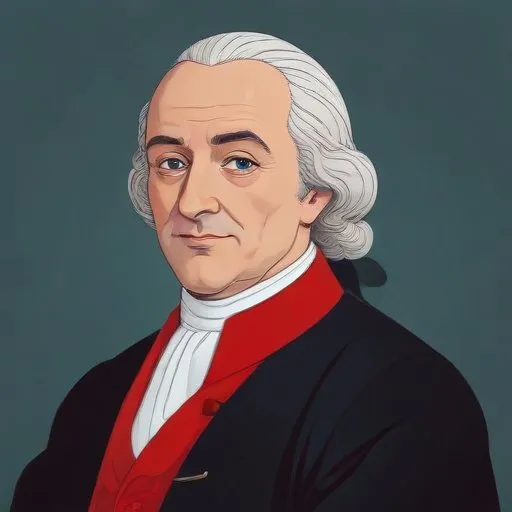
A 17th-century playwright and linguist who wrote over 40 plays, including comedies and tragedies, and contributed to the development of the French language. He's also known for his work on the first French dictionary.
Thomas Corneille, a French lexicographer, dramatist, and poet, is renowned for his monumental contributions to the world of literature, linguistics, and philology. His magnum opus, the Dictionnaire des Arts et des Sciences, published in 1694, remains one of the most significant encyclopedic works of the 17th century.
Born in Rouen, France on August 20, 1625, Thomas Corneille was the younger brother of the illustrious French playwright Pierre Corneille. Demonstrating a prodigious talent for poetry from an early age, Thomas composed a play in Latin at the age of 15, which was performed by his fellow pupils at the Jesuit school in Rouen.
Thomas's first play in the French language, Les Engagements du hasard, premiered in 1647 at the Hôtel de Bourgogne, although it wasn't published until 1656. This was followed by Le Feint Astrologue, inspired by the works of Pedro Caldern de la Barca, which further solidified his reputation as a rising star in the French literary scene.
Following the death of his brother, Thomas succeeded him as a member of the Académie Française, where he shifted his focus towards philology. In 1687, he published a new edition of the Remarques of CF Vaugelas, showcasing his mastery of linguistics.
Thomas's most notable achievement, the Dictionnaire des Arts et des Sciences, was published in 1694 as a supplement to the first edition of the Dictionnaire de l'Académie Française. This groundbreaking work, comprising over 4,000 entries, presented a comprehensive overview of the arts, sciences, and literature of the time, earning Corneille recognition as one of the leading lexicographers of his era.
In 1697, Thomas published a complete translation of Ovid's Metamorphoses, accompanied by his own Heroic Epistles. Tragedy struck in 1704, when he lost his sight, but undeterred, he continued to work, relying on his keen intellect and exceptional memory.
In 1708, he produced his final major work, the Dictionnaire universel géographique et historique, a remarkable three-volume folio that testified to his unyielding dedication to scholarship, even in the face of adversity.
Thomas Corneille's remarkable contributions to literature, linguistics, and philology have left an indelible mark on French cultural heritage. His works, characterized by erudition, elegance, and precision, continue to inspire scholars and literary enthusiasts to this day.
Thomas Corneille's unwavering passion for learning, his boundless energy, and his extraordinary talent have cemented his place as one of the most distinguished figures in French literary history.
Born in 1622
A 17th-century master of comedy, he penned witty plays that satirized the French aristocracy, leaving a lasting impact on Western theater. His works remain widely performed and adapted today.
Born in 1606
A 17th-century French mastermind behind iconic plays like "Le Cid" and "Horace", known for pioneering the classical French tragedy genre.
Born in 1639
A 17th-century master of French tragedy, crafting intricate, psychologically complex dramas that probed the human condition, influencing the development of Western theatre.
Born in 1694
A witty and insightful 18th-century writer and philosopher who used satire to critique societal norms and advocate for reason, tolerance, and human rights.
Born in 1712
A pioneering thinker who shaped modern democracy and education with his ideas on social contracts, general will, and the importance of early childhood education. His writings influenced the French Revolution and modern political thought.
Born in 1689
A French lawyer and philosopher who developed the concept of separation of powers, which divides a government into legislative, executive, and judicial branches to prevent abuse of power. His ideas greatly influenced modern democracy.
Born in 1651
A 17th-century French archbishop and poet who wrote influential works on spirituality and morality, including the famous novel "Telemachus".
