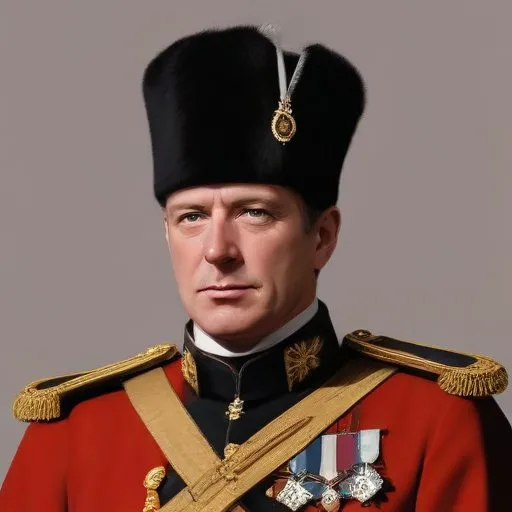
Thomas Douglas, 5th Earl of Selkirk: The Visionary Philanthropist Who Reshaped Canada's Landscape
The Scottish Advocate for the Displaced
Thomas Douglas, 5th Earl of Selkirk, was a Scottish peer renowned for his philanthropic endeavors in resettling displaced Scottish farmers in Canada's Red River Colony. His pioneering spirit and unwavering dedication to the welfare of his fellow Scots earned him a revered place in the annals of Canadian history.
Early Life and Education
Born on June 20, 1771, at St. Mary's Isle, Kirkcudbrightshire, Scotland, Thomas was the seventh son of Dunbar Douglas, 4th Earl of Selkirk, and his wife Helen Hamilton. His early education took place at the Palgrave Academy, Suffolk, followed by studies at the University of Edinburgh, where he set his sights on becoming a lawyer.
The Catalyst for Change
While pursuing his law degree, Thomas witnessed the plight of Scottish crofters forced off their land by ruthless landlords. This injustice sparked a burning desire within him to find a solution. He delved into the possibilities of relocating these displaced Scots to the British colonies, thus beginning his life's mission.
Rise to Prominence
Following the death of his brother Basil in 1794, Thomas became Lord Daer. Upon his father's passing in 1799, he inherited the title of 5th Earl of Selkirk. This newfound status granted him the financial means and influence to pursue his vision of creating a better life for his fellow countrymen.
The North American Odyssey
In 1803, Thomas established a settlement in Belfast, Prince Edward Island, and another in Baldoon, Upper Canada, in 1804. These endeavors marked the beginning of his extensive travels across North America, earning him recognition and admiration for his tireless efforts.
Recognitions and Affiliations
Thomas's contributions were acknowledged by the esteemed Royal Society of Edinburgh, which elected him a Fellow in 1798. He later became a member of the North British Society in Halifax and a Fellow of the Royal Society of London in 1808. In 1807, he was appointed Lord-Lieutenant of Kirkcudbright, Scotland, a testament to his growing reputation.
A Legacy of Compassion
Through his pioneering settlements, Thomas Douglas, 5th Earl of Selkirk, gave hope to countless Scottish families, providing them with a chance to rebuild their lives in the New World. His unwavering commitment to their welfare has left an indelible mark on the fabric of Canadian history, ensuring his legacy as a champion of the displaced and a beacon of compassion.
Personal Milestones
- Born on June 20, 1771, at St. Mary's Isle, Kirkcudbrightshire, Scotland
- Studied at the Palgrave Academy, Suffolk, and the University of Edinburgh
- Became Lord Daer in 1794 and 5th Earl of Selkirk in 1799
- Established settlements in Belfast, Prince Edward Island, and Baldoon, Upper Canada
- Elected Fellow of the Royal Society of Edinburgh (1798), the North British Society (1804), and the Royal Society of London (1808)
- Appointed Lord-Lieutenant of Kirkcudbright, Scotland, in 1807
Historical Context and Legacy
Thomas Douglas, 5th Earl of Selkirk's, remarkable story serves as a poignant reminder of the struggles faced by Scottish farmers during the Highland Clearances. His groundbreaking efforts not only reshaped the demographics of Canada but also inspired future generations to strive for a more compassionate and just society.
FAQ
Who was Thomas Douglas, 5th Earl of Selkirk, and what was his significance in Scottish history?
Thomas Douglas, 5th Earl of Selkirk, was a Scottish philanthropist, politician, and Lord Lieutenant of Kirkcudbright. He was a prominent figure in Scottish politics, education, and social reform, advocating for the improvement of education, agriculture, and the welfare of the Scottish people.
What were Thomas Douglas contributions to education in Scotland?
Douglas was a strong supporter of education, advocating for the establishment of schools and universities in Scotland. He played a key role in the founding of the University of St. Andrews, and his efforts helped promote education, literacy, and cultural development in Scotland during the 19th century.
What were Thomas Douglas roles in Scottish politics?
Douglas held several political offices, including Lord Lieutenant of Kirkcudbright and Member of Parliament for Edinburgh. He was a vocal advocate for Scottish interests, supporting the abolition of slavery, Catholic emancipation, and the reform of the Scottish poor law.
How did Thomas Douglas contribute to the development of Scottish agriculture?
Douglas was a pioneer in Scottish agriculture, introducing new farming techniques and promoting the improvement of agricultural practices. He established the Scottish Agricultural Society, which aimed to increase agricultural productivity and enhance the Scottish economy.
What is Thomas Douglas legacy in Scottish history?
Douglas contributions to education, politics, and agriculture have left a lasting impact on Scottish history. He is remembered as a dedicated philanthropist, politician, and advocate for the welfare of the Scottish people, whose work continues to inspire Scots today.