


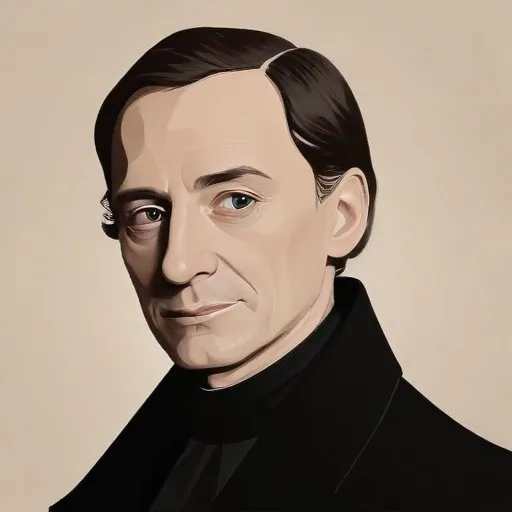
A Baroque composer, known for his sacred music and operas, particularly his oratorio "The Triumph of Virtue".
Thomas Selle, a 17th-century German baroque composer, left an indelible mark on the music scene of Hamburg, cementing his legacy as a master of sacred and secular music. With a career spanning over four decades, he brought forth a new era of musical excellence, shaping the cultural landscape of Hamburg.
The early years of Thomas Selle remain shrouded in mystery, with minimal documentation available. However, it is believed that he attended the prestigious Thomasschule in Leipzig, where he was likely influenced by the renowned composer Sethus Calvisius.
Selle's career took off in 1624 when he became a teacher at the Latin school of Heide, followed by his appointment as headmaster in Wesselburen, Schleswig-Holstein. It was during this period that he married Anna Weihe, daughter of a bourgeois family from Husum, and prepared many of his secular songs for publication.
In 1634, Selle and his wife relocated to Itzehoe, where he assumed the prestigious position of Kantor, earning the title of director chori musici Itzehoensis. This esteemed office brought him high social esteem, and he continued to compose and publish numerous works, solidifying his reputation as a master composer.
In 1641, Selle was unanimously appointed Kantor at the Johanneum in Hamburg, a position he held until his death in 1663. During his tenure, he continued to compose and publish works, leaving behind a rich cultural heritage that shaped the musical landscape of Hamburg.
Thomas Selle's contributions to the world of music paved the way for future generations of composers, influencing the development of baroque music in Germany and beyond. His legacy continues to inspire and enrich the cultural landscape of Hamburg, making him an integral part of the city's musical heritage.
Through his life and works, Thomas Selle left an indelible mark on the world of music, cementing his legacy as a master composer and Kantor of Hamburg.
Born in 1756
A child prodigy and master of classical music, he composed over 600 works, including symphonies, operas, and chamber music, that continue to inspire and influence musicians today.
Born in 1770
A musical genius who expanded the possibilities of classical music, creating iconic symphonies and piano sonatas that continue to inspire and influence generations of artists.
Born in 1797
A renowned composer of symphonies, operas, and chamber music, particularly famous for his emotional and expressive lieder (art songs) that showcased his mastery of melody and harmony.
Born in 1810
A renowned Romantic-era composer and influential music critic, known for his expressive and emotionally charged works, including symphonies, piano music, and art songs.
Born in 1833
A renowned pianist and composer, he crafted complex, expressive works that blended traditional and innovative techniques, leaving an indelible mark on classical music.
Born in 1813
A revolutionary composer who transformed opera with his epic, mythological works, creating a new era of musical storytelling. His iconic operas, such as "Der Ring des Nibelungen," continue to captivate audiences worldwide.
Born in 1813
A renowned composer of iconic operas like La Traviata and Aida, known for his masterful blending of drama and music. His works continue to captivate audiences worldwide.
Born in 1678
A virtuosic violinist and prolific composer, he crafted over 400 concertos, including "The Four Seasons," which remains a beloved and iconic masterpiece of classical music.
