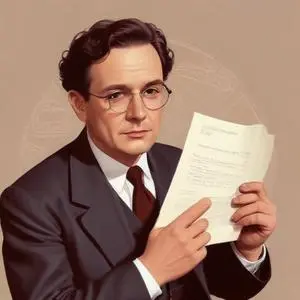
Thomas Wolfe: The Literary Giant of the Southern Renaissance
A Prolific Writer and Autobiographical Mastermind
Thomas Wolfe is renowned for his poetic and impressionistic prose, which vividly captured the essence of American culture in the early 20th century. As one of the most important authors of the Southern Renaissance, Wolfe's works are deeply rooted in autobiographical fiction, earning him a permanent place in the literary canon.
Early Life and Inspirations
Born on October 3, 1900, in Asheville, North Carolina, Wolfe grew up in a family of modest means. His early life was marked by a strong connection to his family and the natural surroundings of the Appalachian Mountains. These influences would later shape his writing style and thematic concerns. Wolfe's love for literature was fostered by his mother,
Julia Wolfe, who encouraged his early writing endeavors.
Major Works and Contributions
Wolfe's literary career was marked by four lengthy novels and numerous short stories, dramatic works, and novellas. Some of his most notable works include:
- Look Homeward, Angel (1929): Wolfe's first novel, which won critical acclaim and cemented his reputation as a rising star in American literature.
- O Lost! (1939): A novel that explores themes of identity, family, and the American Dream.
- You Can't Go Home Again (1940): Wolfe's final novel, published posthumously, which further solidified his reputation as a master of autobiographical fiction.
- The Web and the Rock (1939): A collection of short stories that showcases Wolfe's ability to craft poignant and evocative tales.
Philosophical Contributions and Beliefs
Wolfe's writing was deeply rooted in his philosophical views, which were influenced by his experiences and observations of the human condition. He believed in the importance of exploring the individual's relationship with society, family, and themselves. Wolfe's works often grappled with themes of identity, morality, and the search for meaning in a rapidly changing world.
Influence on Modern Society and Literature
Wolfe's impact on modern society and literature is profound. His experimental writing style, which blended poetic and impressionistic elements with autobiographical narrative, paved the way for future generations of writers. Authors such as
Jack Kerouac,
Ray Bradbury, and
Philip Roth have cited Wolfe as an inspiration, and his influence can be seen in the works of many contemporary writers.
- 1920: Wolfe graduates from the University of North Carolina, where he began to develop his writing style and explore his passion for literature.
- 1923: Wolfe travels to Europe, where he is exposed to avant-garde art and literature, further shaping his aesthetic and thematic concerns.
- 1930s: Wolfe becomes a prominent figure in the American literary scene, socializing with authors such as Ernest Hemingway and F. Scott Fitzgerald.
Legacy and Historical Context
Wolfe's legacy extends far beyond his literary contributions. He played a significant role in shaping the cultural identity of the American South, and his works continue to resonate with readers today. As a major figure in the Southern Renaissance, Wolfe's impact on modern American literature is undeniable.
Quotes and Memorable Sayings
- "All things on earth point home in old October sailors, hunters, children, prodigals, all had been returned home."
- "The reason a writer writes a book is to suffer the experience of translating his own life into a work of art."
Career Highlights and Major Awards
- Look Homeward, Angel: Winner of the 1930 Pulitzer Prize for Fiction.
- Wolfe was posthumously awarded the 1940 Pulitzer Prize for Fiction for You Can't Go Home Again.
Personal Relationships and Anecdotes
Wolfe's personal relationships played a significant role in shaping his writing style and thematic concerns. His close friend and editor, Maxwell Perkins, was instrumental in helping Wolfe shape his early works. Wolfe's romantic relationships, particularly with Aline Bernstein, also had a profound impact on his writing.
Impact on Pop Culture and Controversies
Wolfe's works have been adapted into numerous films, plays, and television shows, cementing his influence on popular culture. However, his writing style and thematic concerns have not been without controversy. Critics have often debated the merits of his experimental approach, leading to a reevaluation of his place in the literary canon.
Wolfe's legacy is a testament to the power of literature to capture the essence of the human experience. His writing continues to inspire and influence writers, and his impact on modern American literature remains unparalleled.
FAQ
What was Thomas Wolfes early life like?
Thomas Wolfe was born into a working-class family in the United States. His early life was marked by a love of literature and a passion for writing, which would later become his career.
What novels did Thomas Wolfe write?
Thomas Wolfe wrote several novels, including Look Homeward, Angel and You Cant Go Home Again. His works often explored themes of love, family, and the human condition.
What awards did Thomas Wolfe win for his writing?
Thomas Wolfe won several awards for his writing, including the prestigious Pulitzer Prize. This recognition cemented his status as one of Americas leading novelists.
What was Thomas Wolfes role in the development of American literature?
Thomas Wolfe played a key role in the development of American literature. He was a leading figure in the modernist movement, and his innovative approaches to storytelling and language influenced generations of American writers.
What is Thomas Wolfes legacy in American literature?
Thomas Wolfes legacy in American literature is profound. He is considered one of the greatest novelists of the 20th century, and his works continue to be widely read and studied today. His commitment to exploring the human condition also inspired generations of American writers.