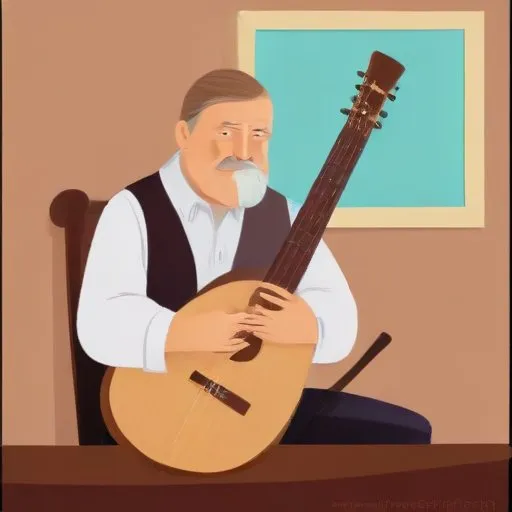
Tnu Sepp: The Patriarch of Early Music in Estonia
A Legendary Music Teacher and Instrument Maker
Tnu Sepp is a household name in Estonia, synonymous with early music education and instrumental craftsmanship. This renowned music teacher and instrument maker has been instrumental in shaping the country's early music scene, earning him the title of the "grand old man of early music" in Estonia.
A Pioneering Spirit
Sepp's journey in early music began in 1971, when he founded the first early music ensemble in Estonia in Viljandi. This marked the beginning of a new era in music education in the country, with Sepp laying the groundwork for future generations. His tireless efforts culminated in the launch of the internationally acclaimed Viljandi Early Music Festival in 1982, which has become a benchmark for early music enthusiasts worldwide.
A Master Instrument Maker
Sepp's expertise extends beyond music education to instrument making. With hundreds of early music instruments to his credit, he is a master craftsman, renowned for his attention to detail and dedication to his craft. His instruments are highly sought after by musicians and collectors alike, a testament to his skill and artistry.
A Legacy of Excellence
Sepp's impact on early music in Estonia is immeasurable. His master classes, which began in 1995 at the Tallinn Old Town Educational College, have grown into the esteemed studio Musica Silentii. This studio has been active in Tartu since 2006, providing a platform for musicians to hone their skills and share their passion for early music.
Awards and Recognition
Sepp's contributions to early music have been recognized with numerous awards and honors. His dedication to his craft has inspired generations of musicians, earning him a place in the annals of Estonian music history.
Philosophical Contributions and Beliefs
Through his work, Sepp has instilled a sense of passion and dedication in his students, emphasizing the importance of preserving the rich cultural heritage of early music. His commitment to sharing his knowledge and expertise has created a ripple effect, inspiring a new wave of early music enthusiasts in Estonia and beyond.
Personal Milestones and Key Life Events
Born on June 14, 1946, Sepp's life has been a testament to his love for early music. His journey, marked by milestones such as the founding of the Viljandi Early Music Festival and the establishment of studio Musica Silentii, is a shining example of dedication and perseverance.
Influence on Modern Society
Sepp's influence extends beyond the realm of early music, inspiring future generations to appreciate and respect the cultural heritage of Estonia. His work has fostered a sense of community, bringing people together to celebrate the beauty and richness of early music.
Visual Timeline and Milestones
- 1946: Born on June 14th
- 1971: Founded the first early music ensemble in Estonia
- 1982: Launched the Viljandi Early Music Festival
- 1995: Began master classes at the Tallinn Old Town Educational College
- 2006: Established studio Musica Silentii in Tartu
Inspirational Story and Motivation
Tnu Sepp's life is a testament to the power of passion and dedication. His journey, marked by milestones and achievements, is a shining example of what can be accomplished with hard work and perseverance. As a pioneer in early music, he has inspired countless individuals to follow in his footsteps, ensuring a bright future for this beloved genre.
FAQ
What are Tõnu Sepps contributions to instrument making?
Tõnu Sepp is a renowned Estonian instrument maker and educator who has crafted numerous traditional Estonian instruments, including the kannel, hiiu kannel, and torupill.
What is Tõnu Sepps educational background?
Tõnu Sepp studied instrument making and repair at the Georg Ots Tallinn School of Music and has taught instrument making courses at various institutions in Estonia.
How does Tõnu Sepp preserve traditional Estonian music?
Through his instrument making and educational efforts, Tõnu Sepp has helped preserve traditional Estonian music and folk culture. He has also collaborated with musicians and ensembles to promote Estonian folk music.
What awards has Tõnu Sepp received for his work?
Tõnu Sepp has received multiple awards for his contributions to Estonian culture, including the Estonian Cultural Endowments Folk Culture Award.
What is Tõnu Sepps legacy in Estonian folk music?
Tõnu Sepp is recognized as a master instrument maker and educator who has contributed significantly to the preservation and promotion of Estonian folk music and culture.