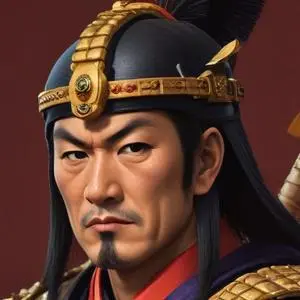
Tokugawa Iemitsu

Tokugawa Iemitsu

Tokugawa Iemitsu was born on August 12th, 1604

Full Name: Tokugawa Iemitsu
Title: Shōgun of Japan
Reign: 1623-1651
Birth Date: August 12, 1604
Death Date: June 8, 1651
Father: Tokugawa Hidetada
Predecessor: Tokugawa Hidetada
Successor: Tokugawa Ietsuna

The shogun who ruled Japan from 1623 to 1651, known for isolating Japan from the rest of the world and establishing a rigid feudal system.

Tokugawa Iemitsu: The Isolationist Shogun of Japan

Early Life and Succession

Tokugawa Iemitsu, the third shogun of the Tokugawa dynasty, is renowned for his isolationist policies that sealed Japan's borders for over two centuries. Born on August 12, 1604, as the eldest son of Tokugawa Hidetada and grandson of Tokugawa Ieyasu, Iemitsu's ascension to power marked a significant shift in Japan's foreign relations.

Iemitsu's early life remains somewhat shrouded in mystery, with rumors surrounding his parentage. Some claimed that he was not Hidetada's son but rather Ieyasu's son with Kasuga no Tsubone, his wet nurse. Despite these rumors, Ieyasu made it clear that Iemitsu would succeed Hidetada as shogun.

Isolationist Policies and Foreign Relations

Iemitsu's foreign policy was characterized by extreme isolationism, expelling all Europeans from Japan and closing the country's borders. This period, known as sakoku, lasted for over 200 years and significantly impacted Japan's development. During this time, Iemitsu also intensified persecution against Christians, leading to widespread crucifixions.

Lady Kasuga, Iemitsu's wet nurse, played a crucial role in shogunate negotiations with the Imperial court, demonstrating the significance of women in Tokugawa politics. Her influence extended to Iemitsu's foreign policy decisions, further solidifying the dynasty's grip on power.

Personal Life and Controversies

Iemitsu's personal life was marred by controversy, particularly his alleged pederasty and treatment of his brother, Tadanaga. Iemitsu's involvement in Tadanaga's forced suicide by seppuku has sparked debate among historians, with some labeling Iemitsu a kinslayer.

Iemitsu's consorts and issue are also a subject of interest, with his wife, Takatsukasa Takako, later becoming known as Honriin. Their children and subsequent descendants continued to shape the Tokugawa dynasty's legacy.

Legacy and Historical Context

Tokugawa Iemitsu's reign had a profound impact on Japan's historical trajectory, influencing the country's development, culture, and foreign relations for centuries. His isolationist policies, while controversial, protected Japan from colonialism and preserved its unique cultural identity.

In comparative analysis with contemporaries, Iemitsu's reign is often contrasted with the more open policies of his predecessors, highlighting the significance of his decisions on Japan's future. As a historical figure, Iemitsu's legacy serves as a testament to the complexities of leadership and the far-reaching consequences of policy decisions.

Trivia and Fun Facts

Impact on Modern Society

Tokugawa Iemitsu's legacy continues to influence modern Japanese society, with his isolationist policies serving as a counterpoint to contemporary globalization. As a historical figure, Iemitsu's reign serves as a reminder of the complexities of leadership and the importance of balancing national identity with international relations.

In conclusion, Tokugawa Iemitsu's life and reign offer a fascinating glimpse into the complexities of Japanese history, politics, and culture. His isolationist policies, personal controversies, and lasting legacy continue to captivate historians and scholars, ensuring his place as one of Japan's most significant historical figures.

Timeline
1604
Born in Edo
Tokugawa Iemitsu was born in Edo, Japan, to the powerful Tokugawa shogunate.
1623
Became Shogun
Iemitsu became the third shogun of the Tokugawa dynasty, ruling Japan with an iron fist.
1634
Isolated Japan
Iemitsu isolated Japan from the rest of the world, prohibiting foreign trade and limiting contact with outsiders.
1651
Built Edo Castle
Iemitsu built Edo Castle, a magnificent fortress that would become the seat of power for the Tokugawa shoguns.
1651
Died in Edo
Tokugawa Iemitsu died in Edo, Japan, leaving behind a legacy as a powerful and influential shogun.
Tokugawa Iemitsu

Tokugawa Iemitsu Quiz

Tokugawa Iemitsu is known for establishing a rigid ______________ system in Japan.

Score: 0/5
FAQ
What were the key policies of Tokugawa Iemitsu during his reign as shōgun?
Iemitsu implemented policies aimed at strengthening the Tokugawa regime, including the suppression of Christianity, the consolidation of power, and the promotion of economic development.
How did Tokugawa Iemitsu respond to the threat of foreign invasion?
Iemitsu responded to the threat of foreign invasion by strengthening Japans defenses, imposing strict controls on foreign trade and diplomacy, and promoting a policy of isolationism.
What was the impact of Tokugawa Iemitsus rule on Japanese society?
Iemitsus rule had a profound impact on Japanese society, shaping the countrys social hierarchy, cultural practices, and economic systems for centuries to come.
How did Tokugawa Iemitsu consolidate power during his reign?
Iemitsu consolidated power by centralizing authority, suppressing rival daimyōs, and promoting a strong and efficient bureaucracy.
What is the legacy of Tokugawa Iemitsu in Japanese history?
Iemitsus legacy lies in his successful consolidation of power, his promotion of economic development, and his shaping of Japanese society and culture during the Edo period.

Related People:

Tokugawa Ieyasu

Born in 1543

Unified Japan's warring states, establishing a dynasty that ruled for over 250 years, and is revered as a brilliant military strategist and statesman.

Tokugawa Tsunayoshi

Born in 1646

The fifth shogun of the Tokugawa dynasty, known for his extreme animal protection laws and brutal suppression of Christianity, earning him the nickname "The Dog Shogun."

Tokugawa Hidetada

Born in 1579

The second shogun of the Tokugawa dynasty, who solidified the family's rule and established a rigid feudal system in Japan, known for his military campaigns and administrative reforms.

Oda Nobunaga

Born in 1534

A powerful Japanese daimyo who unified much of Japan's warring states, introducing firearms and modern warfare tactics, and is considered one of Japan's most important historical figures.

Toyotomi Hideyoshi

Born in 1537

A powerful Japanese warlord who unified Japan's warring states and led two invasions of Korea, leaving a lasting legacy in Japanese history. He's also known for his iconic Osaka Castle.

Uesugi Kenshin

Born in 1530

A powerful feudal lord who unified Japan's Echigo Province and fought several battles, earning a legendary reputation for bravery and martial prowess.