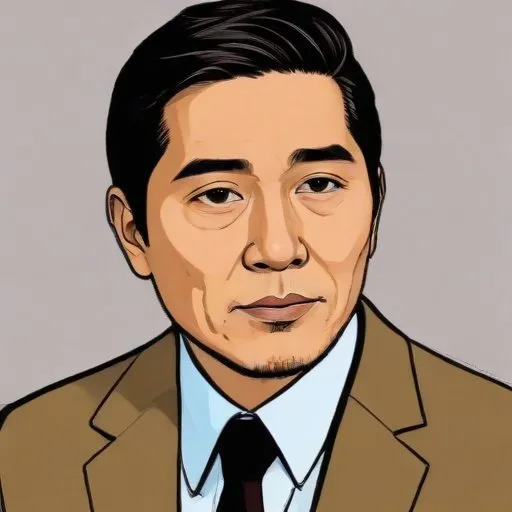
Toyohiko Kagawa

Toyohiko Kagawa

Toyohiko Kagawa was born on July 10th, 1888

Full Name: Toyohiko Kagawa
Nationality: Japanese
Profession: Evangelist and Author
Born: July 10, 1888
Died: April 23, 1960
Known For: Christian Social Work
Influenced By: Christianity and Socialism
Notable Work: Brotherhood Economics

A Japanese Christian reformer who dedicated his life to improving the lives of the poor and marginalized, advocating for labor rights and social justice. He wrote extensively on Christianity and its application to everyday life.

Written by: Grace Lee Grace Lee

Toyohiko Kagawa: A Beacon of Hope and Compassion

A Pioneer of Social Reform and Christian Pacifism

Toyohiko Kagawa, a Japanese Evangelical Christian pacifist, Christian reformer, and labour activist, is renowned for his tireless efforts to employ Christian principles in the ordering of society and in cooperatives. Through his writings, speeches, and grassroots initiatives, Kagawa advocated for the betterment of the poor, women's suffrage, and a peaceful foreign policy.

Early Life and Conversion

Born on July 10, 1888, in Kobe, Japan, Kagawa's early life was marked by hardship and abandonment. His philandering businessman father and concubine mother both passed away when he was young, leaving him to fend for himself. However, it was during this difficult period that Kagawa encountered two American missionary teachers, Drs. Harry W. Myers and Charles A. Logan, who took him under their wing and introduced him to the teachings of Christianity.

Kagawa's conversion to Evangelical Protestant Christianity led to his disownment by his extended family, but it also ignited a passion within him to serve the poor and marginalized. This calling would shape his life's work and inspire him to become a champion of social justice and compassion.

Education and Theological Development

Kagawa's educational pursuits took him to Tokyo Presbyterian College and later to Kobe Theological Seminary. During his studies, he became disillusioned with the seminarians' focus on technicalities of doctrine, believing that true Christianity lay in action, not mere words. He often cited the parable of the Good Samaritan as a testament to the power of compassion and selflessness.

In 1914, Kagawa traveled to the United States to study at Princeton Theological Seminary, where he delved into various fields, including embryology, genetics, comparative anatomy, and paleontology, in addition to theology. This interdisciplinary approach would later inform his groundbreaking research on poverty and social reform.

A Life of Activism and Service

In 1909, Kagawa made a bold decision to move into a Kobe slum, where he immersed himself in the lives of the poor and marginalized. This hands-on approach allowed him to identify the root causes of poverty and develop innovative solutions to combat them.

During his time in the slum, Kagawa documented his findings in his seminal work, Researches in the Psychology of the Poor (1916), which exposed the harsh realities of slum society to the middle-class Japanese public. His research and advocacy paved the way for significant social and economic reforms in Japan.

Legacy and Impact

Toyohiko Kagawa's selfless dedication to the betterment of humanity has inspired generations of social reformers, activists, and clergy. His work continues to influence modern society, promoting a culture of compassion, equality, and peaceful coexistence.

As a testament to his enduring legacy, Toyohiko Kagawa remains an iconic figure in Japanese history, celebrated for his unwavering commitment to humanity and his unshakeable belief in the transformative power of compassion and love.

Quotes and Memorable Sayings

These quotes, among many others, continue to inspire and motivate individuals around the world to work towards creating a more just and compassionate society.

Toyohiko Kagawa's remarkable life and legacy serve as a beacon of hope, reminding us that even in the darkest of times, one person can make a difference. As we reflect on his extraordinary journey, may we be inspired to emulate his courage, compassion, and commitment to creating a better world for all.

Timeline
1888
Born in Japan
Toyohiko Kagawa was born on July 10, 1888, in Kobe, Japan.
1905
Converted to Christianity
Kagawa converted to Christianity, which had a profound impact on his life and work.
1921
Founded Japanese Christian Socialism movement
Kagawa founded the Japanese Christian Socialism movement, which aimed to promote social justice and reform.
1941
Published Brotherhood Economics
Kagawa published Brotherhood Economics, a book that outlined his vision for a more equitable economic system.
1960
Died in Tokyo
Toyohiko Kagawa died on April 23, 1960, in Tokyo, Japan, leaving behind a legacy as a pacifist and social reformer.
Toyohiko Kagawa

Toyohiko Kagawa Quiz

What was Toyohiko Kagawa's primary focus in his life's work?

Score: 0/5
FAQ
What were Toyohiko Kagawas main areas of social activism?
Toyohiko Kagawa was a Japanese evangelist, author, and activist who dedicated his life to social justice and reform. He was particularly concerned with improving the lives of the urban poor, and he worked tirelessly to address issues such as poverty, inequality, and labor rights.
What is Toyohiko Kagawas most famous book?
Kagawas most famous book is Across the Deathline, which recounts his experiences living among the poor in Tokyos slums. The book is a powerful indictment of social injustice and a testament to Kagawas commitment to serving the marginalized.
How did Toyohiko Kagawas faith inform his activism?
Kagawas Christian faith was central to his activism. He believed that Christianity should be lived out in practice, and that believers had a responsibility to work for social justice and compassion. His faith informed every aspect of his work, from his advocacy for labor rights to his provision of social services to the poor.
What was Toyohiko Kagawas approach to social reform?
Kagawa believed in empowering individuals and communities to bring about social change. He established numerous organizations and initiatives aimed at promoting self-sufficiency, education, and community development. His approach was holistic, recognizing that social reform required addressing the root causes of poverty and inequality.
What is Toyohiko Kagawas legacy in Japan today?
Today, Kagawa is remembered as a national hero in Japan. His legacy continues to inspire social activists, religious leaders, and ordinary citizens to work for a more just and compassionate society. His commitment to serving the marginalized remains a powerful example for generations to come.

Related People:

Mahatma Gandhi

Born in 1869

Indian freedom fighter, activist, and philosopher who led India to independence from British rule through non-violent civil disobedience, inspiring civil rights movements worldwide.

Martin Luther King Jr.

97 Years Old

A prominent leader in the civil rights movement, advocating for racial equality and social justice through nonviolent means, leaving a lasting impact on American history.

Dietrich Bonhoeffer

Born in 1906

A German pastor and theologian who resisted the Nazi regime, writing influential books on faith and ethics, and ultimately giving his life for his convictions.

Mother Teresa

Born in 1910

A selfless Albanian-Indian nun dedicated her life to caring for the poor, sick, and marginalized, earning her a Nobel Peace Prize and sainthood. Her tireless charity work inspires millions worldwide.

Albert Schweitzer

Born in 1875

A humanitarian doctor and philosopher who combined medical care with spiritual reflection, earning a Nobel Peace Prize for his tireless efforts to alleviate human suffering.

Ralph Waldo Emerson

Born in 1803

A leading figure in the Transcendentalist movement, he advocated for individualism, self-reliance, and nature-inspired spirituality through his essays and poetry. His ideas continue to influence American thought and culture.

Henry David Thoreau

Born in 1817

A 19th-century thinker who advocated for simple living, civil disobedience, and individualism, inspiring generations to reevaluate their relationship with nature and society.

Leo Tolstoy

Born in 1828

A Russian literary giant who penned sweeping novels like "War and Peace" and "Anna Karenina", exploring the human condition with profound insight and masterful storytelling.