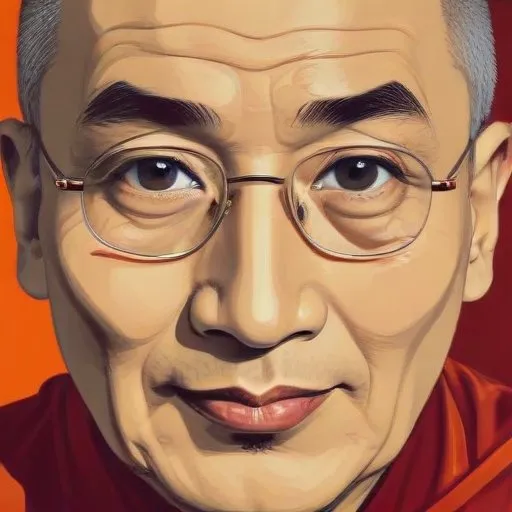
Tsangyang Gyatso: The Unconventional 6th Dalai Lama
A Life of Libertine Choices and Poetic Genius
Tsangyang Gyatso, the 6th Dalai Lama, is renowned for his unconventional lifestyle, which defied the traditional norms of the institution he represented. Born in 1683, he preferred a life of freedom and pleasure, rejecting the strict monastic code, and instead, embracing a more hedonistic approach to Buddhism.
Early Life and Discovery
Tsangyang Gyatso was born in Monyul, present-day Tawang district, Arunachal Pradesh, India, to Lama Tashi Tenzin of Urgelling and Tsewang Lhamo, a Monpa woman from a royal family. He was discovered at the age of 13 or 14, and his early life was marked by exceptional intelligence and unconventional views.
A Life of Controversy and Poetry
As the Dalai Lama, Tsangyang Gyatso lived as a lay practitioner and yogi, growing his hair long, dressing as a regular Tibetan, and allegedly drinking alcohol and keeping the company of women. His poems and songs, which continue to be popular among Tibetan-speaking communities, showcase his poetic genius and offer a glimpse into his unconventional worldview.
The Power Struggle and Disappearance
During a tumultuous period in Tibetan history, marked by power struggles between Tibet, Mongols, and Qing China, the Dalai Lama's regent was killed, and he was kidnapped by Mongol forces in 1706. He subsequently disappeared in Amdo, on his way to Beijing, and was presumed murdered.
Philosophical Contributions and Beliefs
Tsangyang Gyatso's philosophical contributions are characterized by his emphasis on the importance of individual freedom and the rejection of dogmatic thinking. His poetry and songs reflect his views on the nature of reality, the fleeting nature of life, and the importance of living in the present moment.
Legacy and Impact
Despite his tumultuous life and mysterious disappearance, Tsangyang Gyatso's legacy continues to inspire and influence Tibetan culture and Buddhist thought. His poetry and songs remain widely popular, and his unconventional approach to Buddhism serves as a reminder of the importance of individual freedom and creative expression.
Personal Milestones and Key Life Events
- 1683: Born in Monyul, present-day Tawang district, Arunachal Pradesh, India
- 1697: Discovered as the reincarnation of the 5th Dalai Lama
- 1706: Kidnapped by Mongol forces and disappeared in Amdo
Quotes and Memorable Sayings
- "The world is an illusion, and so am I."
- "In the garden of life, I am but a fleeting flower."
Historical Context and Legacy
Tsangyang Gyatso's life and legacy serve as a reminder of the complex and tumultuous history of Tibet during the 17th and 18th centuries. His unconventional approach to Buddhism and his poetic genius continue to inspire and influence Tibetan culture and Buddhist thought to this day.
FAQ
What is the significance of Tsangyang Gyatso in Tibetan Buddhism?
Tsangyang Gyatso, the sixth Dalai Lama, played a crucial role in Tibetan Buddhism, as he was the first Dalai Lama to be recognized as an incarnation of the Bodhisattva of Compassion. His reign marked a significant shift in the Gelug school of Tibetan Buddhism.
What was the impact of Tsangyang Gyatsos poetry on Tibetan literature?
Tsangyang Gyatsos poetry had a profound impact on Tibetan literature, as it introduced a new style of poetry that emphasized emotional expression and personal experience. His poems are still widely read and studied in Tibet today.
How did Tsangyang Gyatsos unconventional behavior affect his reign?
Tsangyang Gyatsos unconventional behavior, which included his love of poetry and women, led to controversy and tension during his reign. His actions were seen as unbecoming of a Dalai Lama, and eventually led to his downfall.
What happened to Tsangyang Gyatso after he was deposed?
After being deposed, Tsangyang Gyatso disappeared, and his fate remains a mystery. Some believe he died in captivity, while others claim he escaped to China and lived out the rest of his life in obscurity.
What is Tsangyang Gyatsos legacy in modern Tibetan Buddhism?
Despite his tumultuous reign, Tsangyang Gyatsos legacy in modern Tibetan Buddhism is that of a Romantic poet and a free spirit. His poetry continues to inspire Tibetans around the world, and his story serves as a reminder of the complexities of Tibetan history