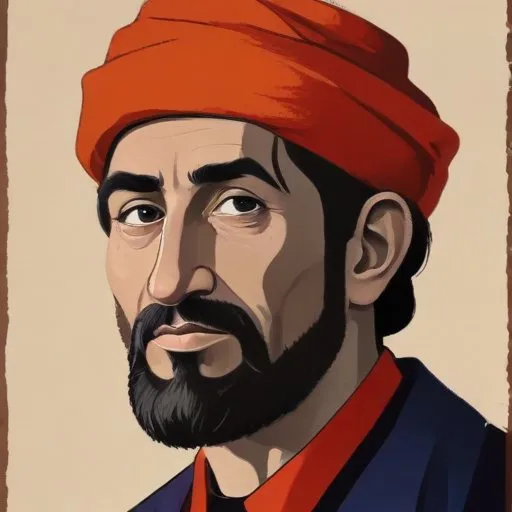
Vahan Tekeyan: The Iconic Armenian Poet and Public Activist
A Beacon of Armenian Identity and Cultural Heritage
Vahan Tekeyan was a renowned Armenian poet and public activist, celebrated as the most famous poet of the Armenian diaspora during his lifetime. He remains a significant symbol of Armenian identity and cultural heritage, leaving an indelible mark on the literary and cultural landscape of his community.
Early Life and Education
Born on January 21, 1878, in the Ortaky district of Constantinople, Tekeyan received his primary education in the neighborhood. He attended the Nersisyan School, the Berberian School, and Getronagan Armenian High School, laying the foundation for his future literary pursuits.
Career Highlights and Major Works
Tekeyan's career was marked by his versatility and passion for writing. He worked as a trading official, traveling extensively throughout Europe, and later became a newspaper editor in Beirut and Cairo. As a teacher, he instilled in his students a love for Armenian literature and culture. His prolific writing career began with the publication of his first collection of poems,
The Wonders, in Paris in 1901.
- Shirak, a periodical he founded in 1905, provided a platform for Armenian writers in the diaspora to showcase their work.
- His later collections of poetry, including The Wonderful Renaissance (1914), showcased his mastery of the genre.
- Poems like The Armenian Church, A Prayer on the Eve of Tomorrow, and Your Memory Tonight have become iconic representations of Armenian literature.
Public Activism and Impact
Tekeyan's public activism was instrumental in shaping the Armenian cultural and social landscape. He edited
Voice of the People, a newspaper that gave voice to the Armenian community, and served as director of the Central School. His involvement in politics and social activism reflected his commitment to the Armenian cause.
Influence on Modern Society
Tekeyan's legacy extends beyond the Armenian community, influencing modern society in several ways:
- He inspired a generation of Armenian writers and intellectuals, shaping the literary scene of the diaspora.
- His poetry and activism served as a beacon of hope during tumultuous times, including the Armenian Genocide and World War I.
- His contribution to the preservation and promotion of Armenian culture has left a lasting impact on the global cultural heritage.
Personal Milestones and Key Life Events
Tekeyan's life was marked by significant events that shaped his trajectory:
- His escape from the bloodshed of World War I, which enabled him to continue his writing and activism.
- His return to Constantinople, where he resumed his public activism and literary pursuits.
- His eventual settlement in Egypt, where he edited the daily newspaper Arev until the end of his life.
Legacy and Historical Context
Tekeyan's legacy is a testament to his unwavering commitment to Armenian culture and identity. His poetry and activism have left an indelible mark on the literary and cultural landscape, cementing his position as a symbol of Armenian identity and cultural heritage.
FAQ
What were Vahan Tekeyans contributions to Armenian literature?
Vahan Tekeyan was an Armenian poet and activist who made significant contributions to Armenian literature, particularly in the areas of poetry and literary criticism.
What were Vahan Tekeyans most famous poems?
Vahan Tekeyans most famous poems include his lyrical works on love, nature, and the Armenian experience, which are still widely admired for their beauty and emotional power.
How did Vahan Tekeyan influence the development of Armenian literary criticism?
Vahan Tekeyans work on literary criticism helped to establish Armenian literary studies as a major field of academic inquiry, and his writings on literature remain influential to this day.
What were Vahan Tekeyans roles in the Armenian nationalist movement?
Vahan Tekeyan was an active participant in the Armenian nationalist movement, and his writings and activism helped to promote Armenian cultural and political identity.
How did Vahan Tekeyans work reflect the Armenian experience of the early 20th century?
Vahan Tekeyans work reflected the Armenian experience of the early 20th century, including the trauma of the Armenian genocide and the struggle for national independence.