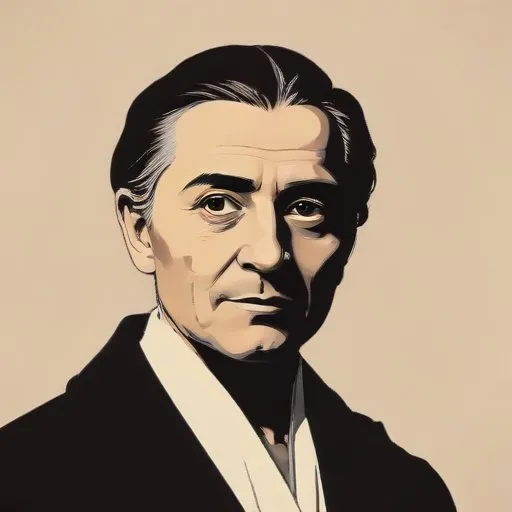
Vclav Ren: The Czech Poet and Dramatist Who Defied Communist Suppression
A Life of Literary Devotion
Vclav Ren is renowned for his profound contributions to Czech literature as a poet, dramatist, and translator. Born on November 28, 1911, in Vodochody, Ren's works revolved around the themes of God, traditions, and the Czech countryside, earning him a prominent place among Catholic ruralistic writers.
Early Life and Education
Ren graduated from the College of Philosophy of Charles University in Prague in 1936. During his university days, he collaborated with Frantiek Halas to edit the journal
Rozhledy po literatue (Views over literature) between 1933 and 1936. This experience laid the foundation for his future endeavors in the literary world.
Literary Career
Ren's literary career spanned multiple genres, including poetry, drama, and translation. Some of his notable works include:
- Jiten (1933)
- Studnky (1935)
- Sedmihradsk zem (1937)
- Vinn lis (1938)
- Trojzpvy (1940)
- Marnotratn syn (1942)
- -Csav mim (1944)
- Barbora Celsk (1948), a drama
- Tom Sawyer od eky Mississippi (1964), a stage play for children based on Mark Twain's novel
- Krlovsk vradn Polonius (1967), a tragic comedy in five acts
- Hoe z nvratu (1969), a dramatic poem in two parts
- Popelka Nazaretsk (1969)
- Setkn s Minotaurem (1969), a collection of lyrical poems written between 1963 and 1967
Persecution and Imprisonment
Following the 1948 communist coup in Czechoslovakia, Ren and other Catholic writers faced persecution from the regime. In 1951, he was arrested and sentenced to 25 years in prison without evidence in 1952. Ren spent 11 years in prison, where he continued to write poetry, including the collection
Skivan v (1970). He was finally released in 1962 and later rehabilitated in 1968.
Later Life and Legacy
After his release from prison, Ren continued to work as a dramaturg in Olomouc and later in Brno. He passed away on April 30, 1973, at the age of 61. Despite the hardships he faced, Ren's literary contributions remain a testament to his unwavering dedication to his craft.
Translations and Legacy
Ren was also a prolific translator, working with languages such as German, English, French, Italian, and Polish. His translations introduced Czech readers to a wide range of international literature, enriching the country's cultural landscape.
Ren's legacy extends beyond his own literary works. He inspired a generation of Czech writers and continues to be celebrated as a symbol of resistance against communist oppression.
Personal Milestones and Key Life Events
- Born on November 28, 1911, in Vodochody
- Graduated from the College of Philosophy of Charles University in Prague in 1936
- Arrested and imprisoned in 1951
- Sentenced to 25 years in prison in 1952
- Released from prison in 1962
- Rehabilitated in 1968
- Passed away on April 30, 1973, in Brno
Impact on Modern Society
Vclav Ren's life and works serve as a powerful reminder of the importance of artistic freedom and the resilience of the human spirit in the face of oppression. His contributions to Czech literature continue to inspire and educate readers to this day.
FAQ
What was Václav Renčs role in Czech literature?
Václav Renč was a Czech poet, playwright, and writer who was a prominent figure in Czech literature, known for his avant-garde and experimental style.
What were Václav Renčs literary influences?
Václav Renč was influenced by French surrealism, Czech avant-garde movements, and the works of authors such as Karel Čapek and Franz Kafka.
How did Václav Renčs work reflect the Czech experience?
Václav Renčs work often reflected the Czech experience, exploring themes of identity, history, and the human condition in the context of Czech culture and society.
What was Václav Renčs contribution to Czech theatre?
Václav Renčs plays were known for their innovative and experimental style, pushing the boundaries of Czech theatre and influencing the development of the avant-garde movement.
How did Václav Renčs legacy impact Czech culture?
Václav Renčs legacy continues to influence Czech culture, inspiring generations of writers, artists, and intellectuals, and promoting a deeper understanding of the Czech identity and experience.