


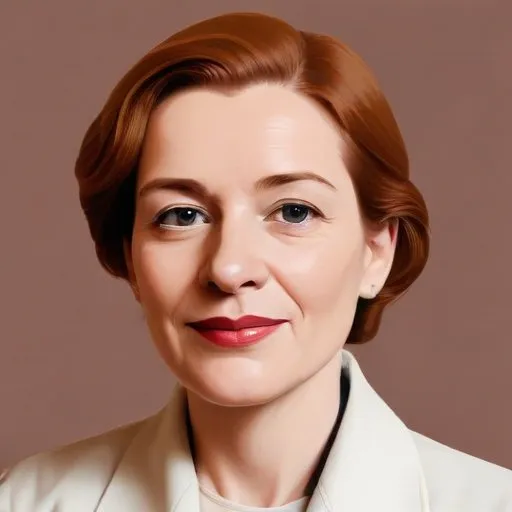
Wife of T.S. Eliot, she was a muse and inspiration to his work, and her own writing and teaching career was overshadowed by her marriage and struggles with mental health.
Vivienne Haigh Wood Eliot is intricately tied to the legacy of her husband, the renowned poet T.S. Eliot, as his first wife and muse. Their 18-year marriage, marked by creative collaboration and emotional turmoil, played a significant role in shaping Eliot's magnum opus, The Waste Land.
Born on May 28, 1888, Vivienne Haigh Wood Eliot battled various health issues throughout her life, including tuberculosis of the arm as a child. Despite these challenges, she pursued her passion for art, working as a governess in Cambridge, where she met her future husband.
Vivienne's introduction to T.S. Eliot, facilitated by mutual friends, led to a whirlwind romance and marriage in 1915. The couple's decision to marry was influenced, in part, by Ezra Pound, who encouraged Eliot to remain in England, where he believed the poet would find greater success. Neither set of parents was informed of the wedding beforehand, adding to the controversy surrounding their union.
Vivienne made significant contributions to her husband's work, serving as a sounding board for his ideas and offering valuable feedback. Eliot would often consult with her, refusing to release sections of his poetry until she had approved them. This collaborative dynamic is evident in The Waste Land, which remains Eliot's most celebrated work.
The tumultuous marriage, marked by mental and physical health struggles, is often cited as the inspiration behind The Waste Land. Eliot later reflected on their relationship, stating, "To her, the marriage brought no happiness... to me, it brought the state of mind out of which came The Waste Land."
Vivienne's life was marked by personal struggles, including her formal separation from Eliot in 1933 and subsequent commitment to an asylum by her brother. Her untimely death on January 22, 1947, was met with devastation from Eliot, who reportedly cried out, "Oh God, oh God," upon receiving the news.
Research into Vivienne's life and relationship with Eliot has been hindered by limited access to her diaries, the copyright of which was granted to Eliot's second wife, Valerie Eliot. Despite this, surviving letters have been published, offering a glimpse into the complex and often tumultuous dynamics of their marriage.
Vivienne's artistic contributions, though often overshadowed by her husband's towering figure, remain an essential aspect of his work. Her influence on Eliot's writing, particularly in The Waste Land, continues to inspire literary analysis and debate.
Vivienne Haigh Wood Eliot's life and legacy are inextricably linked to the modernist movement and the development of 20th-century literature. Her story serves as a poignant reminder of the complex interplay between art, love, and identity.
Vivienne Haigh Wood Eliot's enigmatic presence continues to intrigue scholars and readers alike, offering a fascinating glimpse into the private lives of literary giants and the artistic process behind some of the most enduring works of the 20th century.
Born in 1888
A renowned poet, playwright, and critic who reshaped modern poetry with works like "The Waste Land" and "Old Possum's Book of Practical Cats", influencing literature and art with their unique style.
Born in 1882
A pioneering author of modernist literature, known for experimental novels and essays that explored the human experience, blurring the lines between reality and fiction.
Born in 1885
A pioneering modernist poet and critic who transformed 20th-century literature with innovative styles and provocative ideas, shaping the course of modern poetry.
Born in 1882
A pioneering modernist writer, known for experimental novels and short stories that explore the human experience, particularly in Dublin, Ireland. His works are celebrated for their complex, lyrical prose and innovative narrative structures.
Born in 1865
A renowned Irish wordsmith and dramatist, celebrated for his mystical and nationalistic verse that explores the human condition, as well as his contributions to the Irish Literary Revival.
Born in 1885
A pioneering writer of the early 20th century, known for exploring themes of human nature, relationships, and the clash between individual desire and societal expectations through novels like "Sons and Lovers" and "Lady Chatterley's Lover".
Born in 1873
A pioneering modernist writer, credited with influencing 20th-century literature through experimental novels and poetry that explored the human condition. Known for his impressionistic style and complex characters.
Born in 1895
A renowned poet, novelist, and critic, best known for his historical novels, particularly "I, Claudius" and "Count Belisarius", which vividly brought ancient civilizations to life.
