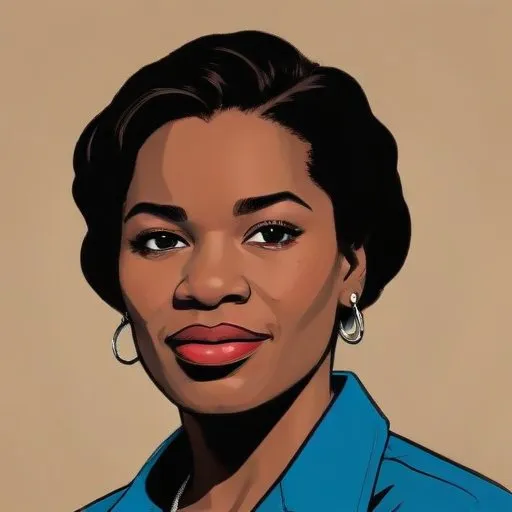
Vivion Brewer: A Trailblazing Desegregationist and Champion of Education
A Pioneering Spirit in the Fight for Racial Equality
Vivion Brewer, a courageous and determined American desegregationist, made history by being a founding member of the Women's Emergency Committee to Open Our Schools (WEC) in 1958, during the tumultuous desegregation of Central High School in Little Rock, Arkansas. Her tireless efforts and resolute commitment to integrating the city's schools have left an indelible mark on the civil rights movement.
Early Life and Education: Laying the Foundation
Born Vivion Lenon on October 6, 1900, in Little Rock, Arkansas, to Warren and Clara Mercer Lenon, she was part of a prominent and socially conscious family. Brewer's formative years were shaped by her experiences at Smith College in Northampton, Massachusetts, where she earned a degree in sociology in 1921. She later attended the Arkansas Law School in Little Rock, graduating in 1928, becoming one of the first women to achieve this feat.
A Call to Action: The Little Rock Crisis and the Birth of WEC
The Little Rock Crisis of 1957, sparked by Arkansas Governor
Orval Faubus' defiance of the Supreme Court's ruling on desegregation, galvanized Brewer into action. In response to the city's high schools being shut down rather than integrated, Brewer joined forces with Adolphine Fletcher Terry to establish the WEC in September 1958. As the organization's chairperson, she took on the formidable task of dealing with the media, facing threats, and hostility from segregationists.
Charting the Course: Brewer's Leadership and Vision
Brewer's diplomatic skills and astute leadership helped navigate the WEC through treacherous waters. Her proposal to engage with African-American women to better understand race relations was initially met with skepticism, but she adapted, focusing on reopening the schools to deflect segregationist criticism. Her unwavering commitment to the cause ultimately led to the schools' reopening in 1959.
Personal Milestones and Later Life
Brewer's selfless dedication to the WEC came at a personal cost. She faced ostracism from her community and received vile threats, a testament to the gravity of her mission. Her memoir, written later in life, poignantly captures the struggles and triumphs of her journey. In recognition of her groundbreaking work, Smith College awarded her an honorary degree.
Legacy and Impact: Paving the Way for Future Generations
Vivion Brewer's unwavering resolve and unshakeable belief in education as a fundamental right have inspired countless individuals to join the fight for social justice. Her courageous stand against segregation helped shape the contours of the civil rights movement, leaving an indelible mark on American history. As a beacon of hope and resilience, her story continues to empower and motivate future generations to strive for a more just and equitable society.
Timeline of Vivion Brewer's Life:
- October 6, 1900: Vivion Mercer Lenon is born in Little Rock, Arkansas
- 1917: Graduates from Little Rock Central High School
- 1921: Earns degree in sociology from Smith College, Northampton, Massachusetts
- 1926: Enrolls in the Arkansas Law School, Little Rock
- 1928: Graduates from the Arkansas Law School
- 1957: The Little Rock Crisis sparks the desegregation movement
- September 1958: Founding member of the Women's Emergency Committee to Open Our Schools (WEC)
- 1959: The schools in Little Rock reopen
- 1960: Resigns as chairperson of the WEC
- June 18, 1991: Vivion Brewer passes away, leaving behind a legacy of courage and determination
Conclusion: A Lasting Legacy of Courage and Conviction
Vivion Brewer's remarkable journey serves as a testament to the transformative power of courage, conviction, and determination. Her unwavering commitment to desegregation and education has left an enduring impact on American society, inspiring future generations to strive for a more just and equitable world.
FAQ
What was Vivion Brewers role in the Montgomery Bus Boycott?
Vivion Brewer was a key figure in the Montgomery Bus Boycott, working closely with Dr. Martin Luther King Jr. and other civil rights leaders to coordinate the boycott and advocate for desegregation.
What inspired Vivion Brewers activism?
Vivion Brewers activism was inspired by her experiences with racial discrimination and her commitment to ending segregation and promoting social justice, which drove her to become a prominent figure in the Civil Rights Movement.
How did Vivion Brewer contribute to the Civil Rights Movement?
Vivion Brewer contributed to the Civil Rights Movement through her tireless work as an organizer, activist, and strategist, playing a crucial role in mobilizing communities and advocating for policy changes that advanced racial equality.
What was Vivion Brewers relationship with Dr. Martin Luther King Jr.?
Vivion Brewers relationship with Dr. Martin Luther King Jr. was one of close collaboration and mutual respect, as they worked together to achieve key victories in the Civil Rights Movement, including the Montgomery Bus Boycott.
What was Vivion Brewers legacy in the Civil Rights Movement?
Vivion Brewers legacy in the Civil Rights Movement is that of a dedicated and courageous activist who worked behind the scenes to advance social justice and equality, inspiring future generations of civil rights leaders.