


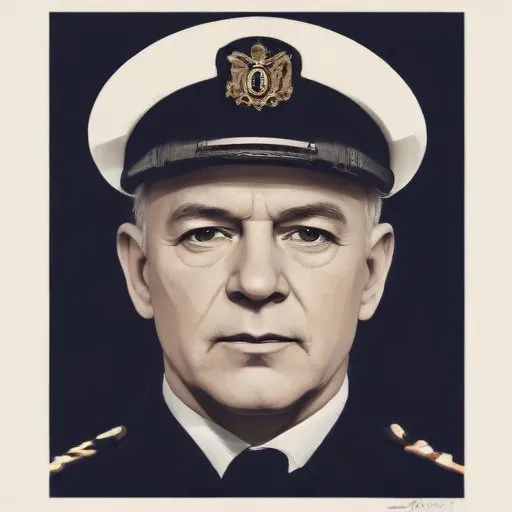
A pioneering aviator who set multiple records for long-distance flights and was a key figure in the development of British commercial aviation.
Known for his bravery and exceptional flying skills, Group Captain Wilfrid George Gerald Duncan Smith was a Royal Air Force (RAF) flying ace of the Second World War, earning a reputation as one of the most skilled pilots of his time.
Born on May 28, 1914, in Madras, India (now Chennai), Duncan Smith was the son of Wilfrid Arthur Smith, a Mysore Post Office Superintendent, and Anna Cecilia Smith (née Duncan). He was educated at Nairn and Morrisons Academy in Crieff, Scotland, where he joined his school's Officers Training Corps.
With war looming, Duncan Smith joined the Royal Air Force Volunteer Reserve (RAFVR) in 1936. At the outbreak of the Second World War, he was commissioned as a pilot officer on probation on September 29, 1940. Initially serving with No. 7 Operational Training Unit, he was later posted to the Spitfire-equipped No. 611 Squadron RAF at RAF Hornchurch in October 1940.
In June 1941, Duncan Smith was awarded a Distinguished Flying Cross (DFC) for his exceptional flying skills and bravery. Shortly after, he was appointed as a Flight Commander with No. 603 Squadron RAF in August 1941. However, instead of taking a well-deserved rest, he remained operational, leading his squadron while bringing their new squadron leader up to speed.
Duncan Smith was the father of Iain Duncan Smith, a Member of Parliament and former Leader of the Conservative Party. His personal life was marked by resilience, as he battled double pneumonia in 1941, which he initially mistook for exhaustion.
Group Captain W. G. G. Duncan Smith's exceptional flying skills, bravery, and leadership during the Second World War left an indelible mark on the Royal Air Force. His legacy continues to inspire generations of pilots and military personnel, serving as a testament to the importance of courage, skill, and dedication in the face of adversity.
Remembered as a true hero of the Second World War, Duncan Smith's story is a shining example of the bravery and sacrifice of those who served their country during one of the darkest periods in human history.
Born in 1910
A British Royal Air Force flying ace during World War II, known for his bravery and flying skills despite having two prosthetic legs. He was a symbol of inspiration and determination.
