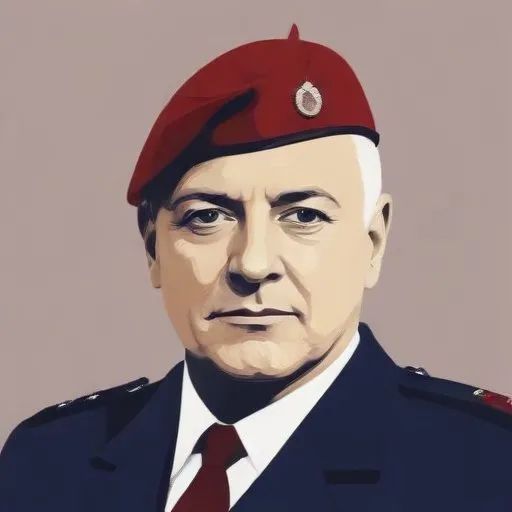
Iain Duncan Smith: The Controversial Architect of Welfare Reform
A Leader of Contrasts
Iain Duncan Smith, also known as IDS, is a British politician who made his mark as the Leader of the Conservative Party and Leader of the Opposition from 2001 to 2003. He is perhaps better known for his tenure as Secretary of State for Work and Pensions from 2010 to 2016, where he spearheaded drastic changes to the welfare state.
Early Life and Education
Born on April 9, 1954, in Edinburgh, Scotland, Duncan Smith was raised in Solihull, England. His father,
W. G. G. Duncan Smith, was a Royal Air Force flying ace. Duncan Smith's education took him to the HMS Conway training school and later to the Royal Military Academy Sandhurst. He served in the Scots Guards from 1975 to 1981, seeing action in Northern Ireland and Rhodesia.
Rise to Prominence
Duncan Smith's political career began in 1981 when he joined the Conservative Party. After an unsuccessful bid for the Bradford West constituency in 1987, he was elected to Parliament in 1992, representing Chingford and Woodford Green. During
John Major's premiership, he remained a backbencher. In 1997, he became Shadow Secretary of State for Social Security and later Shadow Secretary of State for Defence from 1998 to 2001.
Leadership and Controversy
In 2001, Duncan Smith won the Conservative Party leadership election, partly due to his Eurosceptic beliefs, which earned him the support of
Margaret Thatcher. However, his leadership was short-lived, as he lost a vote of confidence in 2003 and resigned. He was succeeded by
Michael Howard.
Centre for Social Justice and Welfare Reform
After his leadership tenure, Duncan Smith founded the Centre for Social Justice, a center-right think tank independent of the Conservative Party. He chaired its Social Justice Policy Group. In 2010, he was appointed Secretary of State for Work and Pensions by Prime Minister
David Cameron, where he oversaw significant changes to the welfare state. His reforms aimed to reduce dependency on benefits and encourage employment. However, his policies were met with criticism and controversy, particularly regarding their impact on vulnerable populations.
Resignation and Legacy
In 2016, Duncan Smith resigned from the cabinet in opposition to Chancellor
George Osborne's proposed cuts. His resignation sparked debate about the government's approach to welfare reform. Despite the controversy, Duncan Smith remains a significant figure in British politics, known for his unwavering commitment to his beliefs, even in the face of opposition.
- Notable Positions: Leader of the Conservative Party and Leader of the Opposition (2001-2003), Secretary of State for Work and Pensions (2010-2016)
- Notable Achievements: Founded the Centre for Social Justice, implemented significant welfare reforms as Secretary of State for Work and Pensions
- Controversies: Criticized for his welfare reforms, particularly their impact on vulnerable populations, resigned from cabinet in opposition to proposed budget cuts
Personal Quotes and Beliefs
"I want to see a welfare system that is fair, that is decent, and that is compassionate." - Iain Duncan Smith
Duncan Smith's philosophical contributions lie in his commitment to a more streamlined and efficient welfare system. While his methods have been disputed, his goal of reducing dependency on benefits and encouraging employment remains a cornerstone of his political philosophy.
Legacy and Impact
Iain Duncan Smith's influence on modern society is undeniable. His welfare reforms have shaped the British political landscape, sparking debates about the role of government in supporting its citizens. Love him or loathe him, Duncan Smith remains a significant figure in British politics, known for his unwavering commitment to his beliefs.
FAQ
What is Iain Duncan Smith known for in British politics?
Iain Duncan Smith is a British politician known for his conservative views and his advocacy for social justice. He served as the Secretary of State for Work and Pensions from 2010 to 2016.
What is Iain Duncan Smiths stance on welfare reform?
Iain Duncan Smith is a strong advocate for welfare reform, believing that the system should be designed to help people out of poverty and into work. He has supported initiatives to simplify the benefits system and to encourage people to seek employment.
What is Iain Duncan Smiths background?
Iain Duncan Smith was born in 1954 and served in the British Army before entering politics. He has been a member of Parliament since 1992 and has held several ministerial positions, including Secretary of State for Defence and Leader of the Opposition.
What is Iain Duncan Smiths approach to social policy?
Iain Duncan Smiths approach to social policy is characterized by his belief in the importance of community and family, as well as his commitment to helping the most vulnerable members of society. He has advocated for policies that promote social mobility and reduce poverty.
What has Iain Duncan Smith done besides politics?
Besides politics, Iain Duncan Smith has been involved in various charitable initiatives, including supporting organizations that help the homeless and those struggling with addiction. He has also written several books on politics and social policy.