


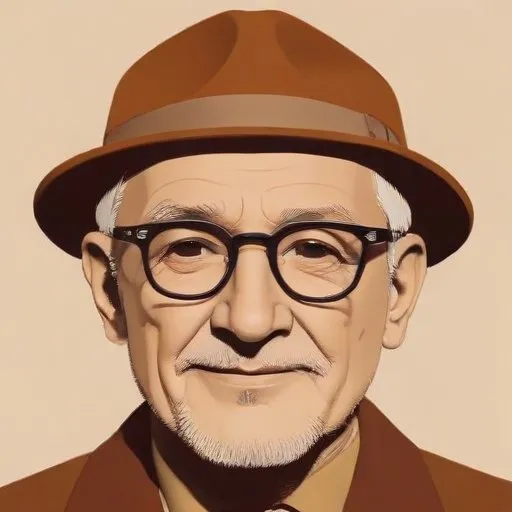
Noted for their groundbreaking research on the Great Plains region, particularly the Pawnee Indians, and authoring influential books on archaeology and anthropology.
Waldo Rudolph Wedel, a renowned American archaeologist, left an indelible mark on the study of the prehistory of the Great Plains, shedding light on the mysteries of this vast and enigmatic region. Through his tireless excavations and meticulous research, Wedel pieced together the puzzle of the Plains' past, earning him a reputation as a central figure in the field.
Born on September 10, 1908, in Newton, Kansas, to a family of Mennonites, Wedel's fascination with the past was nurtured from a young age. He began his academic journey at Bethel College in Newton, Kansas, before transferring to the University of Arizona in 1928. It was during this period that he came under the mentorship of archaeologist Byron Cummings and visiting professor William Morris Davis, whose influence would shape his future research.
In 1930, Wedel received his BA from the University of Arizona and subsequently transferred to the University of Nebraska, where he earned his M.A. degree in 1931 under the guidance of William Duncan Strong. His thesis, which employed Strong's direct historical approach, focused on Pawnee archaeological materials. This early work laid the foundation for his future research, which would delve deeper into the complex tapestry of the Great Plains' past.
In 1934, Wedel published his groundbreaking report on the Medicine Creek site, a collaboration with Nebraska State Historical Society archaeologist A. T. Hill. This milestone work not only showcased his mastery of archaeological techniques but also hinted at the scope of his future endeavors. After completing his Ph.D. in anthropology with a specialization in archaeology from the University of California, Berkeley in 1936 – a first for the institution – Wedel's research trajectory was set in motion.
Wedel's fascination with the impact of climate on prehistoric populations, inspired by the devastating effects of the Dust Bowl, drove his research forward. Under the guidance of geographer Carl Sauer, he explored the correlation between droughts and the lives of ancient people, ultimately shaping his understanding of the Great Plains' prehistory.
In 1939, Wedel married Mildred Mott, a fellow archaeologist and ethnohistorian, with whom he shared a lifelong partnership. The couple's joint endeavors, both in the field and in academia, left an indelible mark on the discipline. Wedel's passing on August 27, 1996, in Boulder, Colorado, marked the end of an era, but his contributions to the field of archaeology continue to inspire generations of researchers.
Wedel's pioneering work has had a lasting impact on our understanding of the Great Plains' prehistory, informing contemporary perspectives on climate change, cultural adaptation, and the intricate relationships between human societies and their environments. His legacy extends beyond the realm of academia, influencing the way we approach environmental stewardship, cultural preservation, and our collective narrative about the past.
Waldo Rudolph Wedel's remarkable journey, marked by an unwavering passion for discovery and a dedication to the pursuit of knowledge, has left an enduring imprint on the field of archaeology. As we continue to unravel the secrets of the past, his contributions serve as a testament to the power of human curiosity and the importance of understanding our shared history.
Born in 1883
American archaeologist and scholar who deciphered Mayan hieroglyphics, uncovering the secrets of this ancient civilization.
Born in 1917
A pioneering avant-garde filmmaker and artist who explored the intersection of dance, poetry, and experimental cinema, creating dreamlike, surreal works that continue to inspire.
