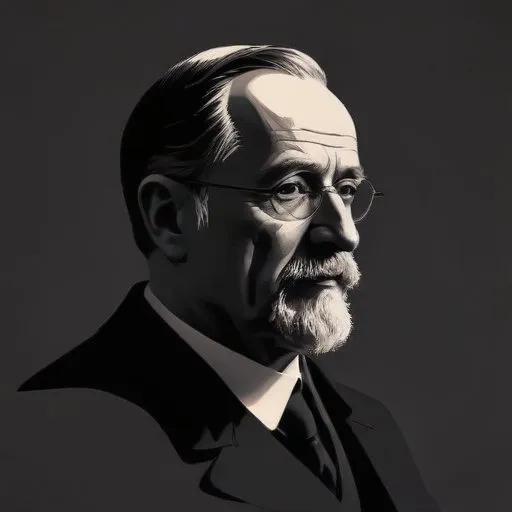
Unveiling the Legacy of Walter Friedrich Otto: A Pioneer of Greek Mythology
The Philosopher Behind the Myths
Walter Friedrich Otto, a renowned German classical philologist, is celebrated for his groundbreaking contributions to the study of Greek mythology. His pioneering work, which delved into the depths of ancient Greek thought and literature, has left an indelible mark on the field, shaping our understanding of the intricate web of myths and legends that define Greek culture.
A Life Dedicated to Unraveling the Mysteries of the Ancients
Born on June 22, 1874, in Heidelberg, Germany, Otto's fascination with classical antiquity was kindled at an early age. His academic pursuits took him to the University of Heidelberg, where he earned his Ph.D. in 1897. Otto's remarkable academic career spanned over four decades, during which he held esteemed positions at various institutions, including the University of Heidelberg and the University of Frankfurt.
Theoretical Contributions and Beliefs
Otto's philosophical framework, which emphasized the importance of understanding ancient Greek mythology within its historical context, has had a profound impact on the field. He posited that mythological narratives were not merely entertaining stories, but rather, they served as vehicles for conveying profound truths about the human condition. His work highlighted the significance of exploring the intersection of mythology, philosophy, and literature to uncover the essence of ancient Greek thought.
Major Works and Career Highlights
Otto's literary legacy is defined by several seminal works, including:
- Theophania: Der Geist der altgriechischen Religion (1956), which examines the role of mythological narratives in shaping ancient Greek religious beliefs.
- Die Götter Griechenlands (1929), a comprehensive exploration of the Greek pantheon and its significance in ancient Greek culture.
These works, among others, have solidified Otto's reputation as a luminary in the field of classical philology.
Influence on Modern Society and Pop Culture
Otto's scholarly endeavors have transcended the realm of academia, influencing modern perceptions of Greek mythology in popular culture. His work has inspired countless adaptations, reimaginings, and reinterpretations of mythological narratives in literature, art, film, and television. The continued relevance of his research is a testament to the enduring power of ancient Greek mythology in contemporary society.
Personal Milestones and Key Life Events
Otto's personal life was marked by significant milestones, including his marriage to Clara Borchardt in 1902, with whom he had two children. Throughout his life, Otto was deeply committed to his academic pursuits, and his dedication earned him numerous accolades, including the Pour le Mérite for Sciences and Arts in 1952.
Legacy and Historical Context
Walter Friedrich Otto's contributions to the study of Greek mythology have left an indelible mark on the field. His work continues to inspire new generations of scholars, researchers, and enthusiasts, ensuring that the rich cultural heritage of ancient Greece remains a vital part of our shared cultural consciousness. As we reflect on his life and legacy, we are reminded of the profound impact that one individual can have on our understanding of the past and its continued relevance in the present.
FAQ
What was Walter Friedrich Ottos contribution to classical studies?
Walter Friedrich Otto was a German philologist who made significant contributions to classical studies, including the study of Greek and Roman mythology and the development of new approaches to classical philology.
What was Walter Friedrich Ottos area of expertise in classical studies?
Walter Friedrich Ottos area of expertise in classical studies was the study of Greek and Roman mythology, particularly the myths of Dionysus and Apollo, and he is considered one of the leading authorities on the subject.
How did Walter Friedrich Ottos work influence the development of classical studies?
Walter Friedrich Ottos work had a significant influence on the development of classical studies, shaping the development of new approaches to mythological research and inspiring further research in the field.
What was Walter Friedrich Ottos approach to classical research?
Walter Friedrich Ottos approach to classical research was characterized by a focus on rigorous philological analysis, detailed textual analysis, and the development of new interpretive frameworks.
What is Walter Friedrich Ottos legacy in classical studies?
Walter Friedrich Ottos legacy in classical studies is that of a pioneering figure who advanced our understanding of Greek and Roman mythology and developed new approaches to classical philology.