


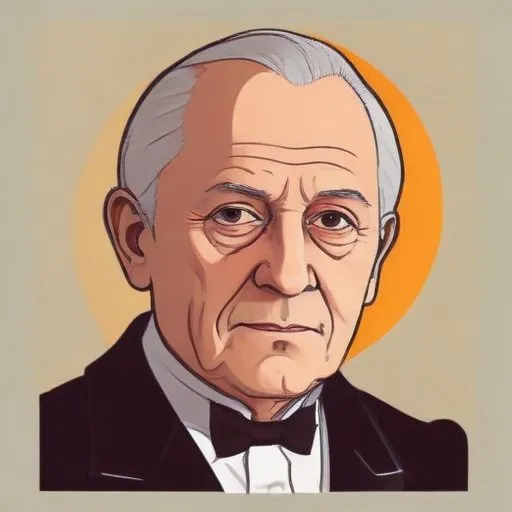
A renowned pianist and composer, celebrated for his poetic and introspective performances of French and German repertoire, particularly Debussy and Ravel.
Walter Gieseking, a French-born German pianist and composer, is renowned for his extraordinary interpretative skills, particularly in the realms of Debussy and Ravel's works. He was the first pianist to record all their published compositions, showcasing his incredible dynamic control, pedaling, and touch.
Born on November 5, 1895, in Lyon, France, Gieseking was the son of a German doctor and lepidopterist. He began playing the piano at the tender age of four, initially without formal instruction. His family's frequent travels led to private education, and in 1911, he enrolled at the Hanover Conservatory, where he studied under the guidance of Karl Leimer. During his time at the conservatory, Gieseking co-authored a piano method with Leimer.
Gieseking made his concert debut as a pianist in 1915, but his budding career was interrupted by World War I. Conscription forced him to serve as a regimental bandsman, delaying his piano career. After the war, he resumed his performances, and his first London piano recital in 1923 solidified his exceptional reputation.
Gieseking's recording portfolio is impressive, featuring Debussy and Ravel's complete works, as well as an extensive collection of Mozart's solo piano compositions. His recordings showcased his mastery of tone color, nuanced pedaling, and dynamic control, setting a new standard for pianistic interpretation.
Gieseking's decision to remain in Germany during World War II and his performances for Nazi cultural organizations, such as the NS Kulturgemeinde, sparked controversy. He was criticized by fellow pianists Vladimir Horowitz and Arthur Rubinstein, who accused him of collaborating with the Nazi Party. However, by January 1947, Gieseking was cleared by the U.S. military government, allowing him to resume his international career.
Walter Gieseking's remarkable career and recordings have had a profound impact on the world of classical music. He left behind a rich legacy, inspiring generations of pianists to explore the subtleties of sound and interpretation. His contributions to the piano repertoire continue to be celebrated and studied, solidifying his place as one of the most esteemed pianists of the 20th century.
Born in 1887
A renowned pianist and educator, celebrated for his poetic and expressive performances of Chopin's music, as well as his charismatic stage presence.
Born in 1903
A renowned pianist and composer, celebrated for his virtuosic technique and powerful performances of classical music, particularly Chopin and Rachmaninoff.
Born in 1873
A renowned Russian musician who composed iconic symphonies and piano concertos, and was also a skilled pianist and conductor, leaving a lasting legacy in classical music.
Born in 1862
A renowned French pianist and composer who revolutionized classical music with his unique, dreamy, and unconventional style, creating iconic works like "Clair de Lune" and "Prelude to the Afternoon of a Faun".
Born in 1875
A renowned French musician who blended classical and modern styles, creating iconic works like "Bolero" that continue to mesmerize audiences with their beauty and complexity.
Born in 1898
A renowned pianist and composer who blended jazz and classical music to create iconic works like "Rhapsody in Blue" and "An American in Paris", leaving a lasting impact on American music.
Born in 1918
A renowned musician who blended jazz, classical, and Broadway styles, creating iconic works like West Side Story, and inspiring generations with his charismatic performances and innovative compositions.
Born in 1882
A Russian master of music, renowned for revolutionizing classical music with bold, avant-garde compositions that blended traditional and modern elements. His iconic works, such as "The Rite of Spring," continue to inspire and influence artists across genres.
