


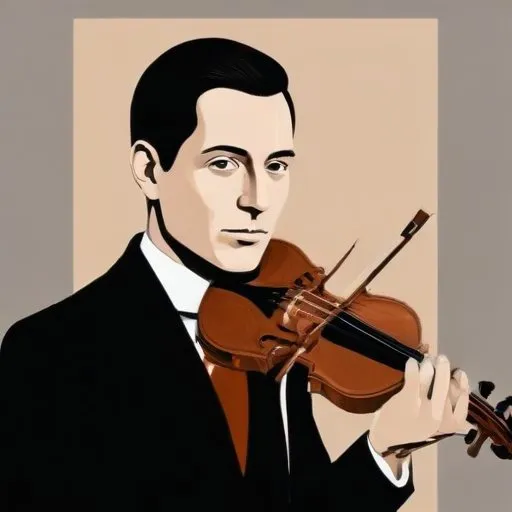
A talented musician who composed and performed popular songs, including the famous "Tenting on the Old Camp Ground", which became a Civil War anthem.
Walter Kittredge's name is synonymous with American minstrel music, and his contributions to the genre are still celebrated today. With a repertoire of over 500 songs, Kittredge's music transcended the boundaries of the Civil War era, leaving an indelible mark on the nation's musical landscape.
Kittredge was born on October 8, 1834, in Merrimack, New Hampshire, to a family of modest means. His early life was shaped by his father's occupation as a farmer and brickyard owner, which instilled in him a strong work ethic and appreciation for the arts. Kittredge's natural talent for music was nurtured through his education at the Merrimack Normal Institute, where he developed skills as a self-taught musician, playing the seraphine, melodeon, and violin.
Kittredge's professional journey began in the early 1850s, when he embarked on a solo tour of neighboring counties, entertaining audiences with his melodeon and recitations. This solo venture was followed by a 20-year association with the renowned Hutchinson Family, a musical troupe that shared his passion for social justice and reform. During this period, Kittredge's compositional skills flourished, leading to the publication of his Union Song Book in 1862, featuring his most popular songs, both humorous and sentimental.
Kittredge's masterwork, "Tenting on the Old Camp Ground," also known as "Tenting Tonight," was composed in a single night in 1863. This hauntingly beautiful song, born out of his visit to the Hutchinsons in High Rock, Lynn, resonated with both Union and Confederate soldiers, becoming an anthem of sorts during the American Civil War. Initially rejected by Boston publisher Oliver Ditson, the song's popularity soared after its publication, selling over 10,000 copies within the first three months and earning Kittredge a steady income from royalties.
Kittredge's commitment to social justice was reflected in his music, as he tirelessly advocated for abolition and human rights. Through his work, he humanized the struggles of the enslaved and marginalized, using his platform to raise awareness and inspire change. As a testament to his enduring legacy, "Tenting on the Old Camp Ground" remains an integral part of American musical heritage, continues to inspire new generations of musicians and social activists.
Walter Kittredge's legacy extends far beyond his own lifetime, as his music and activism continue to inspire contemporary artists, social justice advocates, and historians. His contributions to the abolitionist movement and American musical heritage have cemented his place as a pioneering figure in the nation's cultural landscape.
Born in 1854
Renowned composer and conductor of patriotic American marches, including "The Stars and Stripes Forever," which evokes feelings of national pride and nostalgia.
Born in 1829
Noted for composing iconic American patriotic music, including "When Johnny Comes Marching Home," and leading a renowned band during the Civil War era.
Born in 1859
A renowned cellist, composer, and conductor, he is most known for his operettas, such as "Babes in Toyland" and "Naughty Marietta", which showcased his mastery of light opera and musical comedy.
61 Years Old
A fierce and undersized point guard who played for the New York Knicks and Houston Rockets, known for his tenacious defense and clutch shooting. He's a beloved NBA figure and current analyst.
Born in 1860
A renowned pianist and composer, he crafted romantic-era masterpieces that evoke a sense of American folk music, with his most famous work being the "Piano Concerto No. 2".
Born in 1854
A prominent composer and educator who contributed significantly to American classical music, particularly in the Romantic era, and founded the New England Conservatory of Music.
Born in 1871
A prominent figure in American classical music, he founded the San Francisco Symphony and composed operas, orchestral works, and chamber music. His contributions helped establish California as a hub for classical music.
