


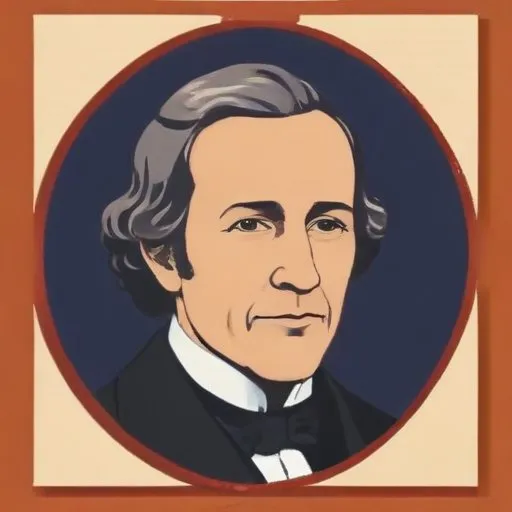
A prominent composer and educator who contributed significantly to American classical music, particularly in the Romantic era, and founded the New England Conservatory of Music.
George Whitefield Chadwick, a renowned American composer, left an indelible mark on the world of classical music with his remarkable contributions to the Second New England School of composers. Alongside fellow visionaries like John Knowles Paine, Horatio Parker, and Amy Beach, Chadwick's masterpieces echoed the Realist movement's emphasis on capturing the essence of everyday life.
Born on November 13, 1854, in a rural corner of Lowell, Massachusetts, Chadwick's passion for music was ignited by his older brother, Fitz Henry, who provided him with organ lessons. This early exposure sowed the seeds of his later success. Chadwick's decision to drop out of high school in 1871 led him to assist in his father's insurance business, an experience that allowed him to travel and attend concerts, sparking a lifelong fascination with the arts.
In 1872, Chadwick enrolled as a special student at the New England Conservatory (NEC), where he studied organ with George E. Whiting, piano with Carlyle Petersilea, and theory with Stephen A. Emery. This rich educational environment shaped his artistic vision and prepared him for a successful career.
Chadwick's creative output was nothing short of remarkable. His oeuvre includes several operas, three symphonies, five string quartets, tone poems, incidental music, songs, and choral anthems. As a member of the Boston Six, a collective of composers, Chadwick played a pivotal role in establishing a distinctive American concert music tradition.
Chadwick's commitment to Realism in music reflected his passion for capturing the essence of everyday life. His compositions often featured nuanced, down-to-earth depictions of people's lives, reflecting the Realist movement's emphasis on authenticity.
Chadwick's contributions to American classical music paved the way for future generations of composers. His dedication to fostering a unique American voice in music helped shape the country's cultural identity. Today, Chadwick's music remains a testament to his innovative spirit and artistic vision.
In 1876, Chadwick accepted a faculty position at Olivet College, marking the beginning of his long and storied teaching career. Throughout his life, Chadwick remained committed to sharing his knowledge and inspiring future generations of musicians.
Chadwick's career spanned a pivotal period in American music history, during which the country was transitioning from a predominantly European-influenced sound to a more distinctively American voice. Chadwick's work, alongside that of his contemporaries, helped shape this new musical identity.
Chadwick's perseverance and self-reliance, demonstrated through his early decision to drop out of high school and pursue his passion for music, serve as a beacon of inspiration for aspiring musicians and composers.
Through his remarkable body of work, George Whitefield Chadwick continues to inspire generations of musicians, leaving behind a rich legacy that echoes the very essence of American classical music.
Born in 1860
A renowned pianist and composer, he crafted romantic-era masterpieces that evoke a sense of American folk music, with his most famous work being the "Piano Concerto No. 2".
Born in 1839
A renowned composer and academic who helped establish music education in the United States, known for his contributions to the development of American classical music.
Born in 1863
A renowned organist, composer, and educator who made significant contributions to American music, particularly in the field of church music and choral composition.
Born in 1859
A renowned cellist, composer, and conductor, he is most known for his operettas, such as "Babes in Toyland" and "Naughty Marietta", which showcased his mastery of light opera and musical comedy.
Born in 1900
Austrian-American composer and educator who blended jazz and classical music, creating innovative operas and symphonies. Known for his eclectic style and influential teaching methods.
Born in 1896
A renowned composer, conductor, and educator who made significant contributions to American classical music, particularly through his Romantic-style symphonies and leadership of the Eastman School of Music.
Born in 1894
A renowned composer, theorist, and academic who made significant contributions to the development of American classical music, particularly in the realm of harmony and counterpoint.
Born in 1910
A renowned composer and educator, he was the first president of the Juilliard School and won the Pulitzer Prize for Music in 1943. He's known for his contributions to American classical music.
