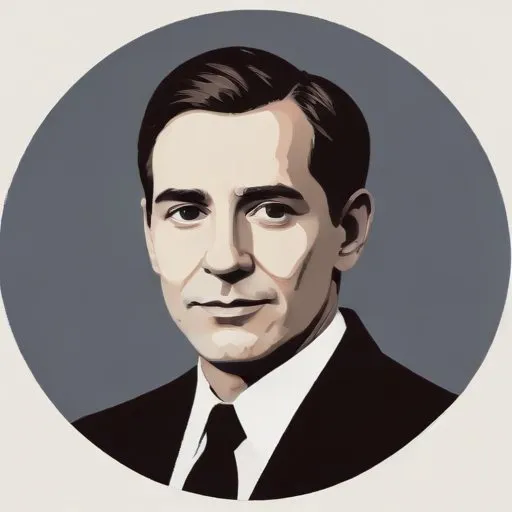
The Theatrical Titan: Ward Morehouse
American journalist, playwright, and author, Ward Morehouse, left an indelible mark on the world of theater and literature. Best known for his captivating interviews with theater celebrities and his iconic "Broadway After Dark" column, Morehouse's dynamic personality and versatile talent made him a household name.
Early Life and Career
Born on November 24, 1895, in Savannah, Georgia, Morehouse's early life was marked by a passion for writing. He began his career as a reporter for The Savannah Press and The Atlanta Journal, before moving to New York City in 1919. It was in the city that never sleeps that Morehouse's talent truly bloomed. He wrote for The New York Tribune and The Herald Tribune, honing his skills as a journalist and setting himself up for future success.
The Birth of "Broadway After Dark"
In 1926, Morehouse began writing his "Broadway After Dark" column for the New York Sun. This column would go on to become his most iconic and enduring work, showcasing his unique ability to capture the essence of theater celebrities and the world of Broadway. Morehouse's column was syndicated across the country, making him a household name and cementing his place as one of the most influential theater critics of his time.
A Playwright's Passion
In addition to his work as a journalist, Morehouse was also a playwright. His plays, including "Gentlemen of the Press" (1928) and "U.S. 90" (1941), showcased his unique voice and perspective on the world of theater. "Miss Quis" (1937), one of his most notable plays, ran for 37 performances at the
Henry Miller Theatre, demonstrating Morehouse's talent for crafting engaging and thought-provoking stories.
A Life of Adventure and Intrigue
Morehouse's personal life was marked by adventure and intrigue. He was a world traveler, driving across the United States over 23 times and visiting 80 foreign countries in search of stories and interviews with fascinating personalities. His marriage to theatrical producer
Jean Dalrymple in 1932 was marked by infatuations and side relationships with cast members, leading to their divorce five years later. Despite this, Morehouse's passion for life and his craft only continued to grow.
Legacy and Impact
Ward Morehouse's legacy extends far beyond his own works. He paved the way for future generations of theater critics and journalists, inspiring a new era of writers and thinkers. His influence can be seen in the countless writers and critics who have followed in his footsteps, and his work continues to captivate audiences to this day.
- "I have always tried to write as if I were talking to the reader, and I think that's the secret of my success." - Ward Morehouse
With his passing on December 7, 1966, Ward Morehouse left behind a body of work that continues to inspire and captivate audiences. His legacy serves as a testament to the power of passion, creativity, and dedication to one's craft.
FAQ
What was Ward Morehouses literary career like?
Ward Morehouse was an American author, playwright, and critic who wrote several plays, novels, and short stories.
What awards did Ward Morehouse receive?
Ward Morehouse received several awards for his writing, including the New York Drama Critics Circle Award.
What was Ward Morehouses role in the development of American theatre?
Ward Morehouse played a significant role in the development of American theatre, particularly in the 1920s and 1930s, when he was a prominent figure in the New York theatre scene.
What was Ward Morehouses early life like?
Ward Morehouse was born in 1895 in California and grew up in a family of modest means. He developed an early interest in writing and went on to study at the University of California.
How did Ward Morehouse die?
Ward Morehouse died in 1966 at the age of 71, following a long and distinguished career as a writer and critic.