


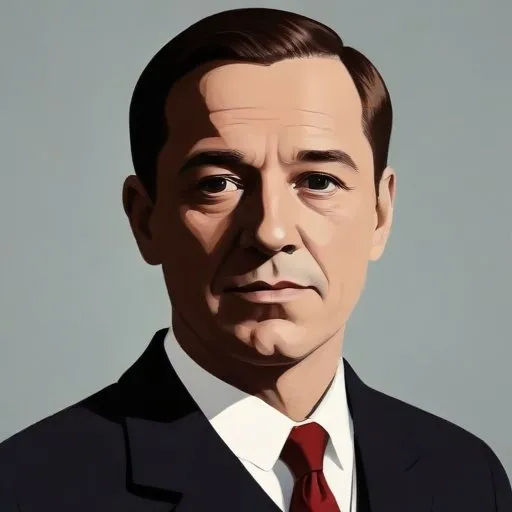
An American historian and politician who served as a U.S. Representative from 1891 to 1895 and was a prominent figure in the Populist movement. He wrote extensively on economic and political issues of his time.
Warren Brown, a luminary of 19th-century America, was a multifaceted figure known for his remarkable accomplishments as a politician, historian, gentleman farmer, businessman, and author. Born on August 11, 1836, in Hampton Falls, New Hampshire, Brown's life was a testament to his boundless energy, intellectual curiosity, and dedication to public service.
Brown's educational background, which included attending the North School in Hampton Falls, Rockingham Academy in Hampton, and Phillips Andover Academy in Andover, Massachusetts, laid the foundation for his future endeavors. He went on to become a respected politician, serving in various capacities, including as a member of the New Hampshire State Senate and the U.S. House of Representatives.
In addition to his political career, Brown was a prolific historian and author. His writings focused on the history of New Hampshire, particularly the region of Hampton Falls, where he resided. His works not only demonstrated his mastery of historical research but also showcased his ability to weave engaging narratives that captured the essence of the people and places he wrote about.
Brown's fascination with agriculture led him to become a gentleman farmer, experimenting with innovative farming techniques and cultivating the land with meticulous care. His farm, located in Hampton Falls, became a model of agricultural excellence, earning him recognition from his peers and the wider community.
As a businessman, Brown was involved in various ventures, including the establishment of a successful lumber mill and a mercantile store. His astute business acumen and entrepreneurial spirit enabled him to thrive in the competitive world of commerce.
In 1867, Brown married Sarah Gertrude Norris, a native of Raymond and Dover, New Hampshire. The couple's union was marked by a deep affection and mutual respect, as evidenced by Brown's heartfelt eulogy upon Sarah's passing in 1917. Together, they had five children, whose lives were shaped by their parents' values of education, hard work, and community service.
Warren Brown's remarkable life and achievements left an indelible mark on the communities he served. His contributions to the realms of politics, history, agriculture, business, and education continue to inspire future generations. As a testament to his enduring legacy, Brown's story serves as a powerful reminder of the importance of dedication, perseverance, and public service.
As we reflect on Warren Brown's extraordinary life, we are reminded of the importance of preserving our cultural heritage and honoring the individuals who have shaped our collective history. Brown's remarkable achievements serve as a beacon of inspiration, illuminating the path for those who seek to make a meaningful impact on their communities and the world at large.
Born in 1856
The 28th President of the United States, a Nobel Peace Prize winner, and a historian who played a key role in shaping international relations and global governance after World War I. He's most known for his idealistic vision of a League of Nations and his efforts to promote peace and diplomacy.
Born in 1858
A pioneering leader who championed progressive reforms, trust-busting, and conservation, earning a Nobel Peace Prize for mediating the Russo-Japanese War. He's also famous for his rugged outdoorsmanship and "big stick" diplomacy.
Born in 1882
Led the United States through the Great Depression and World War II, implementing a series of reforms known as the New Deal and helping to establish the country as a global superpower.
Born in 1874
The 31st President of the United States was a humanitarian and politician who led the country through the Great Depression and is known for his humanitarian efforts and infrastructure development. He's also infamous for his inability to mitigate the economic crisis.
Born in 1872
The 30th President of the United States, a lawyer and politician, led the country through a period of economic prosperity and limited government intervention, earning the nickname "Silent Cal" for his frugal and humble nature. He's most known for his minimalist approach to governance and tax cuts.
Born in 1884
The 33rd President of the United States, a strong leader who made tough decisions, including dropping atomic bombs on Japan and establishing the Marshall Plan to rebuild Europe after WWII.
Born in 1890
Led the Allied forces to victory in World War II and later served as President, maintaining peace and prosperity during the Cold War era. He's known for his strategic leadership and diplomatic skills.
Born in 1917
The 35th President of the United States was a charismatic leader who navigated the country through the Cuban Missile Crisis and advocated for civil rights, leaving a lasting legacy in American politics.
