


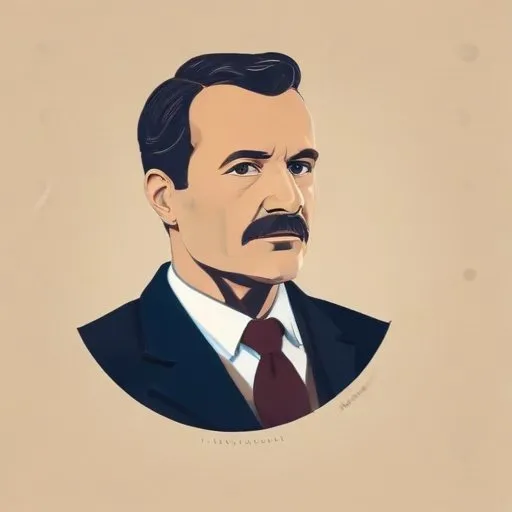
The 39th Governor of Delaware, a physician-turned-politician who served from 1859 to 1863, is most known for his brief but significant tenure during the American Civil War. He played a crucial role in maintaining Delaware's loyalty to the Union.
William Burton, a stalwart figure in American politics, is best known for his tenure as the Governor of Delaware, navigating the tumultuous waters of the Civil War era with a steadfast commitment to states' rights. As a physician, politician, and community leader, Burton left an indelible mark on the First State, earning him a revered place in Delaware's history.
Born on October 16, 1789, in Indian River Hundred, Sussex County, Delaware, Burton's early life was marked by a strong sense of community and a deep connection to the land. He married Eliza Sorden, and after her passing in 1829, he married Ann C. Hill, with whom he had a child, Rhoda. The Burton family resided in the historic Parson Thorne Mansion in Milford, where they were active members of Christ Episcopal Church.
A medical degree from the University of Pennsylvania's Medical School laid the foundation for Burton's successful medical practice in Lewes and later in Milford. His leadership skills were soon recognized, and he was appointed Brigadier General of the Sussex County militia in 1827. He later served as the Sheriff of Kent County from 1830 to 1834, earning a reputation as a fair and just leader.
As the Whig Party disintegrated over the contentious issue of slavery, Burton joined the Democratic Party in 1848, aligning himself with its states' rights ideologies. In 1854, he ran for governor but lost to Peter F. Causey, a former Democrat turned American Party candidate. Undeterred, Burton continued to serve his community, eventually winning the governorship and taking office in 1859.
During his governorship, Delaware was a border state torn between its allegiance to the Union and its economic ties to the South. Burton navigated this delicate balance with aplomb, ensuring that the state remained in the Union while also protecting its sovereignty. His leadership during this tumultuous period earned him the respect of his contemporaries and the gratitude of his constituents.
William Burton's legacy extends far beyond his tenure as governor. He worked tirelessly to promote education, infrastructure development, and economic growth in Delaware. His commitment to states' rights and his dedication to his community have inspired generations of Delawareans. Today, his historic home, the Parson Thorne Mansion, stands as a testament to his enduring influence on the state he loved and served.
| Date | Event |
|---|---|
| 1789 | Born on October 16th in Indian River Hundred, Sussex County, Delaware |
| 1829 | Lost his first wife, Eliza Sorden |
| 1830-1834 | Served as Sheriff of Kent County |
| 1848 | Joined the Democratic Party |
| 1854 | Ran for governor but lost to Peter F. Causey |
| 1859 | Took office as Governor of Delaware |
| 1866 | Passed away on August 5th |
William Burton's life is a testament to the power of dedication, perseverance, and statesmanship. His unwavering commitment to his community and his unshakeable beliefs have left an indelible mark on Delaware's history, ensuring his place as one of the state's most revered leaders.
Born in 1728
A patriot who played a key role in the American Revolution, casting a crucial vote for independence from Britain in 1776. He later served as a governor, promoting education and infrastructure development.
Born in 1762
A 17th-century naval commander who fought against the Spanish Armada and later became a privateer, known for his bravery and cunning at sea.
Born in 1738
The 7th Governor of Delaware, a prominent lawyer and politician, played a significant role in shaping the state's early development and governance. He is most known for his leadership during a pivotal period in Delaware's history.
Born in 1827
A Canadian soldier who received the Victoria Cross for his bravery during the American Civil War, known for his heroic actions during the Battle of Newport News.
Born in 1732
A Founding Father and key drafter of the US Constitution, known for his strong advocacy for American independence and unity.
