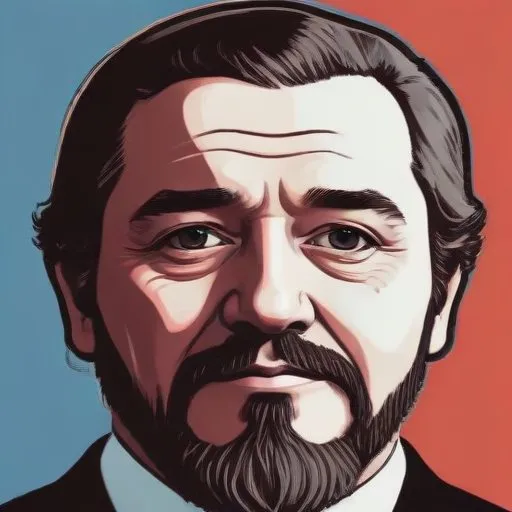
William Carstares: The Whig Politician and Minister of the Church of Scotland

William Carstares, a Scottish minister and Whig politician, is renowned for his activism in Scottish and English politics during the late 17th century. He played a significant role in the tumultuous era of the Third Anglo-Dutch War, working closely with the Prince of Orange, later King
William III of England and II of Scotland.
Early Life and Education
Born on February 11, 1649, in Cathcart, near Glasgow, Scotland, Carstares was the son of Rev. John Carstares, a Covenanter. He received his education at the University of Edinburgh and later at the University of Utrecht in the Netherlands. It was during his time in Utrecht that he became acquainted with
Gaspar Fagel, which ultimately led to his introduction to the Prince of Orange.
Political Activism and Intelligence Work
Carstares' involvement in politics began when he worked as an intelligence agent for the Prince of Orange during the Third Anglo-Dutch War. He made frequent journeys to England, using the alias William Williams, and gathered crucial information that aided the Prince's cause. His activities, however, didn't go unnoticed, and he was arrested in 1674 on English soil. He was subsequently committed to the Tower of London in 1675 and later transferred to Edinburgh Castle.
The Authorship Controversy
During his imprisonment, Carstares was suspected of co-authoring the pamphlet "An Account of Scotlands Grievances" with Sir
James Stewart. Although he initially denied involvement, he eventually confessed to
John Maitland, 1st Duke of Lauderdale, under the threat of torture. Lauderdale used this confession to his advantage, but Carstares was not subjected to torture.
Release and Later Life
After spending several years in captivity, Carstares was finally released in 1679, a gesture by the government to appease Scottish opinion following the Battle of Bothwell Bridge. Upon his release, he traveled to Ireland and later joined nonconformist circles in London. He continued to be involved in politics, albeit at a lower profile, until his death on December 28, 1715.
Legacy and Impact
William Carstares' contributions to Scottish and English politics during a tumultuous era in history are undeniable. His intelligence work and political activism played a significant role in shaping the course of the Third Anglo-Dutch War. His legacy serves as a testament to the power of determination and conviction in the face of adversity.
- Notable Works: "An Account of Scotlands Grievances" (co-authored with Sir James Stewart)
- Awards and Honors: None recorded
- Personal Relationships: Associated with Gaspar Fagel, the Prince of Orange (later King William III), and Pierre du Moulin
Through his remarkable life, Carstares demonstrated unwavering dedication to his cause, even in the face of imprisonment and persecution. His story continues to inspire and inform, serving as a powerful reminder of the importance of standing by one's convictions.
Image Credit: Public Domain
FAQ
What was William Carstares role in the Scottish Reformation?
William Carstares played a significant role in the Scottish Reformation, serving as a minister and academic. He was a strong advocate for Presbyterianism and worked closely with the Scottish Parliament to establish the Church of Scotland.
What was William Carstares contribution to Scottish education?
William Carstares made significant contributions to Scottish education, particularly in the University of Edinburgh. He was a strong proponent of education reform and advocated for the establishment of a chair of divinity at the university.
What was William Carstares relationship like with King William III?
William Carstares enjoyed a close relationship with King William III, serving as his chaplain and advisor. He played a key role in drafting the Act of Settlement, which established the Church of Scotland as the national church.
What were William Carstares views on toleration and liberty?
William Carstares was a strong advocate for toleration and liberty, believing that individuals should have the freedom to worship as they pleased. He worked tirelessly to promote religious tolerance and liberty in Scotland.
What is William Carstares legacy in Scottish history?
William Carstares legacy in Scottish history is one of a champion of Presbyterianism and education. He played a significant role in shaping the Church of Scotland and promoting education reform, earning him a place as one of Scotlands most influential figures.