


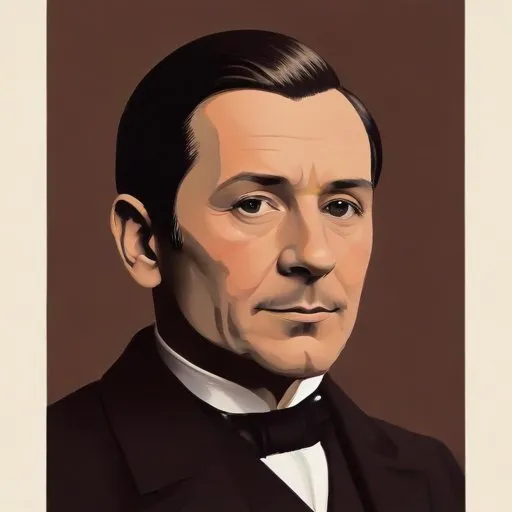
A historian and curator who specialized in the study and preservation of Ohio's history, particularly in the areas of archaeology and Native American cultures.
As a pioneering museum curator, William Corless Mills left an indelible mark on the world of archaeology, anthropology, and ornithology. Born on January 2, 1860, in Pyrmont, Ohio, Mills' fascination with Native American cultures and remains would eventually lead him to become a renowned expert in the field, spearheading excavations and leading esteemed institutions.
Mills' curiosity about the ancient cultures of his native Ohio led him to embark on a journey that would span multiple disciplines. He began his career as the fourth curator and librarian of the Ohio State Archaeological and Historical Society, a position he held from 1898 to 1928. During this tenure, he oversaw the excavation of the Adena Mound in 1901, a discovery that would solidify his reputation as a leading authority on Native American archaeology.
Beyond his work at the Ohio State Archaeological and Historical Society, Mills wore many hats, literally and figuratively. He was an active member of various esteemed organizations, including the American Ornithological Union, the Ohio Academy of Science, and the American Association of Museums (now the American Alliance of Museums). His dedication to these institutions not only showcased his expertise but also underscored his commitment to advancing knowledge and understanding in his fields of interest.
In 1902, Mills published his seminal work, Excavation of the Adena Mound, a comprehensive account of his groundbreaking excavation. This publication not only showcased his meticulous attention to detail but also provided a window into the lives of ancient Native American communities. His work laid the foundation for future generations of archaeologists and anthropologists, solidifying his position as a trailblazer in the field.
Throughout his career, Mills' contributions extended far beyond the realm of archaeology. As a lecturer in sociology at the Ohio State University's College of Commerce and Administration, he influenced the next generation of scholars and thinkers. His work also had significant implications for the preservation and understanding of Native American cultures, ensuring that their stories and histories would not be lost to the annals of time.
In recognition of his tireless efforts and groundbreaking discoveries, Mills was awarded fellowships from the American Ethnological Society, the American Association for the Advancement of Science, and the American Anthropological Society. These honors not only acknowledged his achievements but also cemented his status as a respected authority in his fields of expertise.
Beyond his professional accomplishments, Mills' life was marked by significant personal milestones. He married and had children, building a family that would support and inspire him throughout his life. His dedication to his craft was matched only by his devotion to those closest to him, a testament to the enduring power of love and family.
William Corless Mills' story serves as a poignant reminder of the power of human curiosity and dedication. As we reflect on his life and legacy, we are reminded of the enduring impact one person can have on the world. His work continues to inspire generations of scholars, researchers, and enthusiasts, ensuring that the stories and cultures of ancient Native American communities will never be forgotten.
Born in 1858
A pioneering leader who championed progressive reforms, trust-busting, and conservation, earning a Nobel Peace Prize for mediating the Russo-Japanese War. He's also famous for his rugged outdoorsmanship and "big stick" diplomacy.
Born in 1856
The 28th President of the United States, a Nobel Peace Prize winner, and a historian who played a key role in shaping international relations and global governance after World War I. He's most known for his idealistic vision of a League of Nations and his efforts to promote peace and diplomacy.
Born in 1874
The 31st President of the United States was a humanitarian and politician who led the country through the Great Depression and is known for his humanitarian efforts and infrastructure development. He's also infamous for his inability to mitigate the economic crisis.
Born in 1882
Led the United States through the Great Depression and World War II, implementing a series of reforms known as the New Deal and helping to establish the country as a global superpower.
Born in 1884
The 33rd President of the United States, a strong leader who made tough decisions, including dropping atomic bombs on Japan and establishing the Marshall Plan to rebuild Europe after WWII.
Born in 1890
Led the Allied forces to victory in World War II and later served as President, maintaining peace and prosperity during the Cold War era. He's known for his strategic leadership and diplomatic skills.
Born in 1917
The 35th President of the United States was a charismatic leader who navigated the country through the Cuban Missile Crisis and advocated for civil rights, leaving a lasting legacy in American politics.
Born in 1908
The 36th President of the United States, a skilled politician and leader, played a crucial role in passing landmark civil rights legislation, including the Civil Rights Act and Voting Rights Act.
