


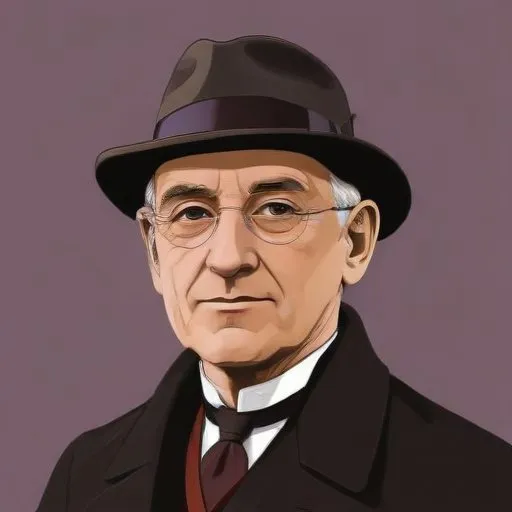
A renowned expert in tracing family lineages and recording historical events, particularly in medieval England, leaving behind a vast collection of manuscripts and publications.
Sir William Dugdale, an esteemed English antiquary and herald, is renowned for his instrumental role in shaping medieval history as an academic discipline. Through his tireless research and documentation, Dugdale has left an indelible mark on the field, earning him a place among the most influential scholars of his time.
Born on September 12, 1605, in Shustoke, Warwickshire, Dugdale was the son of John Dugdale, steward to the local landowner. An intriguing incident marked his birth, as a swarm of bees flew into the garden, which was interpreted as a propitious omen for the newborn. He received his education at King Henry VIII School in Coventry, laying the foundation for his future academic pursuits.
In 1623, Dugdale married Margaret Huntbach, with whom he had nineteen children. Two years later, he purchased the manor of Blyth, near Shustoke, which became a catalyst for his involvement in an enclosure dispute with a neighbor. This encounter led him to meet William Burton, a prominent antiquary, who not only arbitrated the dispute but also kindled Dugdale's interest in transcribing documents and collecting church notes.
Dugdale's collaborations with Burton and other Midlands antiquaries, such as Sir Simon Archer and Sir Thomas Habington, paved the way for his groundbreaking research in medieval history. His work caught the attention of Sir Christopher Hatton, who became his patron and provided him with access to the archives of public records in London.
In 1638, Dugdale was appointed Pursuivant of Arms Extraordinary by King Charles I, and a year later, he was promoted to Rouge Croix Pursuivant of Arms in Ordinary. This position granted him access to the College of Arms, enabling him to further his research and produce some of his most notable works.
One of Dugdale's most significant projects was the creation of exact drafts of all the monuments in Westminster Abbey and the principal churches in England, commissioned by Sir Christopher Hatton in 1641. This endeavor not only showcased his meticulous attention to detail but also ensured the preservation of valuable historical records.
Dugdale's contributions to medieval history have been profound and far-reaching. His work has influenced generations of scholars, shaping the course of academic inquiry into the Middle Ages. His meticulous documentation and research have left an indelible mark on the field, making him one of the most respected antiquaries of his time.
Through his life's work, Dugdale has demonstrated an unwavering commitment to the pursuit of knowledge, leaving behind a rich legacy that continues to inspire and educate scholars and enthusiasts alike.
Sir William Dugdale's remarkable life and achievements serve as a testament to the power of dedication, perseverance, and passion. His work continues to inspire and educate, ensuring that his legacy will endure for generations to come.
Born in 1551
Renowned for meticulously documenting England's antiquities and historical sites, this 16th-century scholar authored Britannia, a seminal work that shaped the country's understanding of its past.
Born in 1813
Pioneering doctor who tracked down the source of a cholera outbreak in London, leading to significant advances in public health and epidemiology. Known for his groundbreaking work in tracing the disease to a contaminated water pump.
Born in 1914
Developed the concept of proxemics, studying how people use space to communicate, and wrote influential books on nonverbal cues and cultural differences. Known for his work on hidden dimensions of human communication.
