


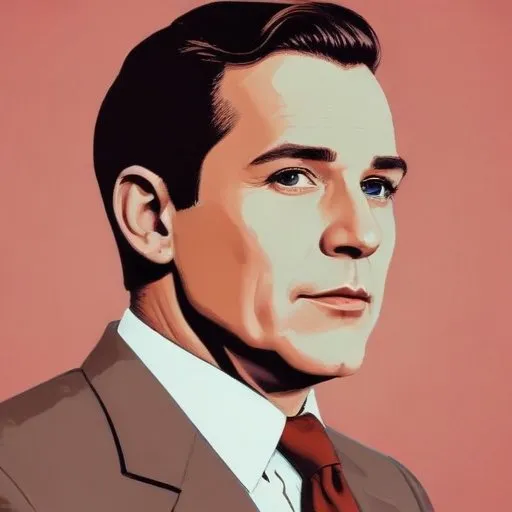
Served as the first governor of Hawaii after it became a state in 1959, playing a key role in the state's transition to self-governance.
William Francis Quinn, the 12th and last governor of the Territory of Hawaii and the first governor of the State of Hawaii, left an indelible mark on the Aloha State's history. As the last executive appointed by an American president, Quinn played a pivotal role in shaping the islands' transition from a territory to a state, cementing his legacy as a champion of Hawaiian statehood.
Born on July 13, 1919, in Rochester, New York, Quinn's family relocated to St. Louis, Missouri, during his formative years. He attended prep school at St. Louis University High School and later graduated from Saint Louis University in 1940. Quinn's academic pursuits were interrupted by World War II, during which he served in Hawaii in naval intelligence. After his discharge, he settled in Honolulu and went on to graduate cum laude from Harvard Law School in 1947.
Quinn's foray into politics began with his work as a lawyer, brokering deals that would shape the state's development. Notably, he worked with Parker Ranch attorney Garner Anthony to secure a deal with the Territorial Land Office and Hawaiian Homes Commission, allowing the ranch a more extended period to evacuate the property. This early success laid the groundwork for his later political pursuits.
In 1956, Quinn ran for the Hawaii Territorial Senate, solidifying his position as a rising star in territorial politics. His close working relationship with Congressional Delegate John A. Burns on the Hawaii Statehood Commission further demonstrated his commitment to the islands' future. President Dwight D. Eisenhower took notice of Quinn's dedication, appointing him Governor of the Territory of Hawaii in 1957.
Quinn's crowning achievement was his successful bid to become the first governor of the State of Hawaii in 1959, defeating Burns in the process. This watershed moment marked the beginning of a new era for the islands, as Quinn worked tirelessly to establish the state's government and infrastructure.
Throughout his tenure, Quinn received numerous honors, including the Order of the Holy Sepulchre, a papal knighthood conferred by Pope John Paul II. He also made a memorable appearance on the popular television program "What's My Line?"
Quinn's personal life was marked by a deep connection to the islands he called home. He settled permanently in Honolulu after his military service and went on to become a prominent figure in the community.
William Francis Quinn's remarkable life and legacy continue to inspire generations of Hawaiians, serving as a testament to the power of dedication and perseverance in shaping the destiny of a nation.
Born in 1891
The 14th Chief Justice of the United States, a jurist and politician who led the Supreme Court through a transformative era of civil rights and social change, issuing landmark rulings like Brown v. Board of Education.
Born in 1905
The 32nd Governor of California, a champion of liberal policies and social justice, known for his progressive reforms and leadership during a tumultuous era.
Born in 1911
The charismatic leader who championed conservative policies, helped end the Cold War, and is often credited with restoring American pride and optimism. He's also remembered for his folksy, actor-honed communication style.
Born in 1908
A wealthy businessman and politician who served as Vice President under Gerald Ford, known for his moderate Republican views and influential role in shaping US foreign policy.
Born in 1918
The 39th Vice President of the United States, a politician embroiled in scandal, resigning amidst corruption charges, forever tainting his legacy. He's infamous for being the first VP to resign due to criminal conduct.
Born in 1911
The 38th Vice President of the United States was a prominent liberal politician and journalist who played a key role in shaping the country's civil rights policies. He's most known for his strong support of the Civil Rights Act of 1964.
Born in 1908
The 36th President of the United States, a skilled politician and leader, played a crucial role in passing landmark civil rights legislation, including the Civil Rights Act and Voting Rights Act.
