


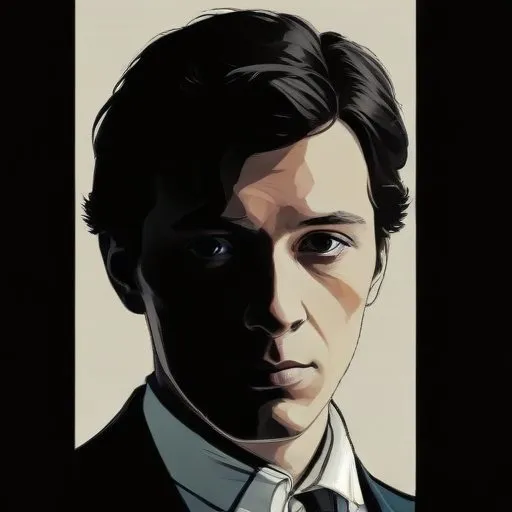
A prominent literary critic and essayist of the Romantic era, known for his insightful and witty writings on art, literature, and politics.
William Hazlitt was a renowned English essayist, drama and literary critic, painter, social commentator, and philosopher, widely regarded as one of the greatest critics and essayists in the history of the English language. His insightful critiques and impassioned essays have placed him alongside literary giants such as Samuel Johnson and George Orwell.
Hazlitt was born on April 10, 1778, in Mitre Lane, Maidstone, Kent, to a family of Irish Protestants. His father, William Hazlitt Sr., was a Unitarian minister who had received his master's degree from the University of Glasgow, where he was taught by the esteemed economist Adam Smith. Hazlitt's family moved frequently during his childhood, and he was exposed to various environments that would later influence his writing.
Hazlitt was deeply influenced by the ideals of the French Revolution and was an ardent advocate for liberty, equality, and social justice. He believed in the power of art to inspire and educate, and his writings often reflected his commitment to these principles.
Hazlitt's essays and critiques had a profound impact on the development of English literature and criticism. He is often credited with helping to establish the Romantic movement and was a contemporary and friend to many notable writers, including Charles and Mary Lamb, Samuel Taylor Coleridge, William Wordsworth, and John Keats.
Hazlitt's forthright opinions and critiques often sparked controversy, earning him both admiration and criticism from his contemporaries. Despite this, he remained unwavering in his commitment to his artistic vision and values.
"The greatest glory in living lies not in never falling, but in rising every time we fall."
William Hazlitt's contributions to literature, art, and philosophy have left an indelible mark on the literary canon. His innovative approach to criticism and his impassioned essays continue to inspire and educate generations of readers and scholars.
Born in 1772
A leading figure of the Romantic movement, he crafted vivid, imaginative poetry and explored the human experience through his writing and philosophical ideas. His works continue to inspire and influence literature and art to this day.
Born in 1770
A major Romantic poet, known for his focus on nature, emotion, and the human experience, creating works that evoke a sense of wonder and connection to the natural world.
Born in 1788
Romantic poet and playwright celebrated for passionate, expressive works that explored themes of love, freedom, and the human condition.
Born in 1792
Romantic-era writer of lyrical poetry and Gothic dramas that explored the human condition, freedom, and the beauty of nature.
Born in 1795
Romantic poet celebrated for sensual language and vivid imagery, capturing the beauty of nature and human experience in odes like "To Autumn" and "Ode to a Nightingale".
Born in 1775
A celebrated author of witty, romantic novels of manners that offer insightful commentary on 19th-century English society, particularly the lives of women. Her works remain beloved for their strong female characters, clever dialogue, and nuanced exploration of relationships.
Born in 1797
Author of Gothic novels, particularly the iconic "Frankenstein", which has become a cultural phenomenon and influenced countless adaptations and reinterpretations.
Born in 1775
Wrote humorous, insightful essays and poems that explored the human condition, often using wit and irony to comment on social issues. Known for his unique, conversational style that made literature accessible to a wider audience.
