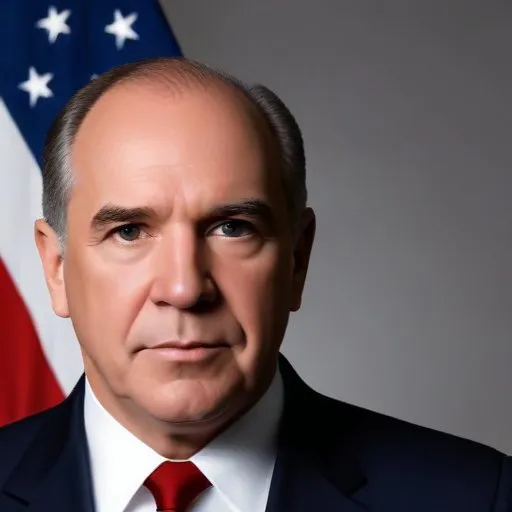
William J. Casey: The CIA Director Who Shaped American Intelligence
The Man Behind the CIA
William J. Casey, a renowned American lawyer, served as the Director of Central Intelligence (DCI) from 1981 to 1987, overseeing the entire United States Intelligence Community and personally directing the Central Intelligence Agency (CIA). During his tenure, Casey played a pivotal role in shaping American foreign policy, counter-terrorism strategies, and the country's response to the Cold War.
Early Life and Education
Born on March 13, 1913, in Elmhurst, Queens, New York, Casey was raised as a devout Roman Catholic in Bellmore, New York. He graduated from Fordham University in 1934, followed by graduate work at the Catholic University of America, and eventually earned an LL.B. from St. John's University School of Law in 1937. Casey's Irish ancestry and Catholic upbringing had a significant impact on his worldview and leadership style.
Career Highlights
- Early Career: After being admitted to the bar, Casey became a partner in the New York-based law firm Buckner, Casey, Doran, and Siegel from 1938 to 1942. He concurrently served as chairman of the board of editors of the Research Institute of America, where he developed the concept of tax shelters and advised businesses on navigating New Deal regulatory legislation.
- World War II: During World War II, Casey worked for the Office of Strategic Services (OSS), where he became head of its Secret Intelligence Branch in Europe. He served in the United States Naval Reserve until December 1944 and later remained in his OSS position as a civilian until his resignation in September 1945. Casey was awarded the Bronze Star Medal for meritorious achievement and attained the rank of lieutenant.
- Post-War Career: Following the dissolution of the OSS, Casey returned to his legal and business ventures. He served as a special counsel to the United States Senate (1947-1948) and associate general counsel to the Point Four Program (1948). In 1950, he founded the Institute for Business Planning, amassing a significant amount of wealth and influence.
Director of Central Intelligence
Casey's experience and expertise led to his appointment as DCI in 1981. During his tenure, he:
- Supported anti-communist movements and rebel groups worldwide, including the Nicaraguan Contras and Afghan mujahideen.
- Boosted the CIA's budget and personnel, expanding its capabilities and outreach.
- Played a key role in shaping the Reagan administration's foreign policy, particularly in the areas of counter-terrorism and Soviet-Afghan relations.
- Faced controversy and criticism for his involvement in the Iran-Contra affair and the CIA's alleged involvement in arms sales to Iran.
Legacy and Impact
William J. Casey's legacy is marked by his unwavering commitment to American national security and his role in shaping the country's response to global threats. While his tenure was not without controversy, Casey's contributions to the intelligence community and his leadership during a critical period in American history remain significant.
Personal Milestones and Key Life Events
- Casey was a devout Roman Catholic and remained loyal to his faith throughout his life.
- He was married to Sophia Kurz, and they had one son, William Casey Jr.
- Casey was a philanthropist, supporting various Catholic charities and organizations throughout his life.
Quotes and Memorable Sayings
- "We may not know what the future holds, but we can shape it."
- "Intelligence is not just about gathering information, it's about understanding the context and making informed decisions."
Historical Context and Legacy
Casey's tenure as DCI coincided with a critical period in American history, marked by the Cold War, the rise of global terrorism, and the emergence of new geopolitical threats. His leadership and decisions continue to influence American foreign policy and national security strategies to this day.
FAQ
What was William J. Caseys significance in American politics?
William J. Casey was a prominent American politician who served as the 13th Director of Central Intelligence, playing a key role in shaping American foreign policy during the Cold War.
What were William J. Caseys achievements as Director of Central Intelligence?
William J. Casey oversaw significant intelligence reforms, strengthened CIA operations, and played a key role in shaping American foreign policy during the Cold War, including the Iran-Contra affair.
How did William J. Caseys experience in the OSS influence his later career?
William J. Caseys experience in the Office of Strategic Services (OSS) during World War II provided him with valuable skills and knowledge that he applied to his later career in intelligence and politics.
What controversy surrounded William J. Caseys tenure as Director of Central Intelligence?
William J. Caseys tenure was marked by controversy, including allegations of involvement in the Iran-Contra affair and criticism of his management style.
How did William J. Caseys legacy influence the development of American intelligence agencies?
William J. Caseys legacy has influenced the development of American intelligence agencies, shaping their role in national security and foreign policy.