


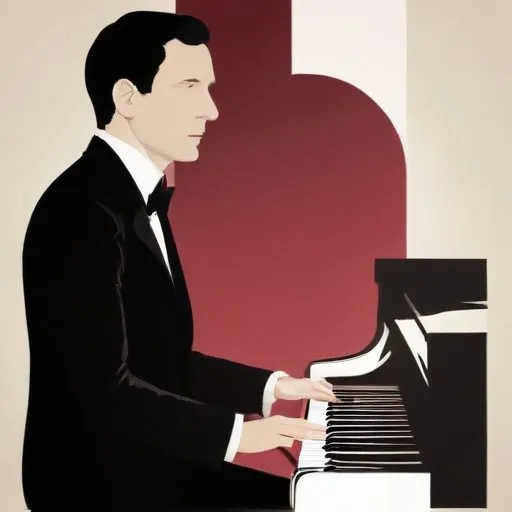
A renowned pianist and composer, he made significant contributions to Welsh classical music, blending traditional folk elements with modern styles. His works include symphonies, concertos, and choral pieces.
William Mathias, a Welsh composer, is renowned for his majestic choral works that continue to resonate with audiences worldwide. His compositions, which include large-scale works, operas, symphonies, and piano concertos, have left an indelible mark on the world of classical music.
Mathias's formal education in music began at Aberystwyth University, where he was a member of the Elizabethan Madrigal Singers. During this period, he wrote the iconic Gloria in Excelsis Deo for the group in 1954. Further refining his craft, he studied under Lennox Berkeley at the Royal Academy of Music, where he was elected a Fellow in 1965.
Mathias's immense talent was recognized with numerous awards and honors. In 1968, he was awarded the Bax Society Prize of the Harriet Cohen International Music Award. Additionally, he served as a professor of music and head of department at the University of Wales, Bangor, from 1970 to 1988.
Mathias's compositions are characterized by their grandeur and beauty. His opera, The Servants (1980), and three symphonies are testaments to his incredible skill. However, it is his choral works that have garnered the most acclaim. The anthem Let the people praise Thee, O God, written for the 1981 royal wedding of the Prince and Princess of Wales, was televised to an estimated 1 billion people worldwide.
In 1972, Mathias founded the North Wales International Music Festival in St Asaph, which he directed until his untimely death in 1992. This festival served as a platform for promoting classical music and fostering a sense of community.
William Mathias's passing on July 29, 1992, at the age of 57, was a profound loss to the world of classical music. He is buried at St Asaph Cathedral, Denbighshire, North Wales. His legacy continues to inspire generations of musicians and music lovers alike.
Through his remarkable body of work, William Mathias has left an indelible mark on the world of classical music. His compositions continue to evoke emotions, inspire creativity, and bring people together in a shared appreciation of beauty.
Born in 1914
A renowned wordsmith celebrated for his emotive, lyrical poetry and plays that explored the human condition, particularly in his iconic work "Under Milk Wood".
29 Years Old
Quarterback who plays for the New York Giants in the National Football League (NFL), known for being a first-round draft pick and leading his team to several victories.
Born in 1901
A British composer and teacher, renowned for his lyrical and introspective works, particularly in the genres of choral and orchestral music.
Born in 1905
A renowned composer and conductor, known for blending modernist and romantic elements in his works, creating a unique and expressive sound. His operas and symphonies are highly acclaimed for their lyricism and dramatic intensity.
Born in 1902
A renowned composer of orchestral and choral works, particularly famous for his iconic score for Laurence Olivier's 1944 film "Henry V" and his ceremonial music for British coronations.
Born in 1872
A renowned composer and educator, he's celebrated for his symphonies and folk-song inspired works that evoke a sense of English heritage and nostalgia. His music is a testament to his love for his homeland's cultural roots.
Born in 1913
A renowned musician who masterfully blended classical and opera styles, creating iconic works like "Peter Grimes" and "The Young Person's Guide to the Orchestra".
