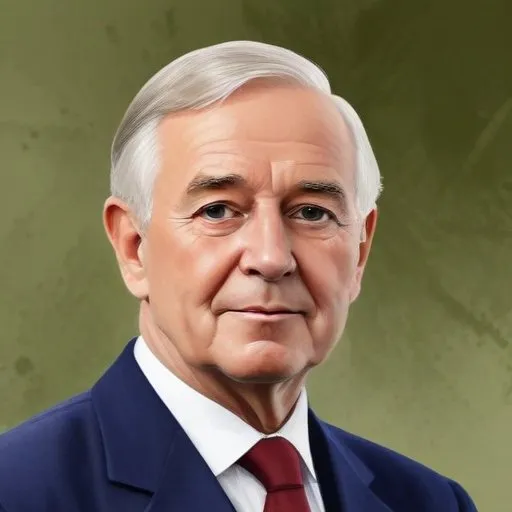
Sir William John McKell: The Labor Leader Who Shaped Australia's History
A Legacy of Public Service and Reform
William McKell is renowned for his remarkable career as the 12th Governor-General of Australia, serving from 1947 to 1953, and his preceding role as Premier of New South Wales from 1941 to 1947. As a leader of the Labor Party, McKell left an indelible mark on Australian politics, implementing significant reforms and public works that continue to benefit the nation.
Early Life and Union Roots
Born on September 26, 1891, in Pambula, New South Wales, McKell grew up in Sydney and left school at 13 to train as a boilermaker at Morts Dock. His involvement with the union movement began early, and he soon became a union secretary, working full-time to advocate for workers' rights.
Rise to Prominence
During the Labor Party split of 1916, McKell sided with the anti-conscriptionists, which led to his election to the New South Wales Legislative Assembly in 1917. He swiftly rose through the ranks, becoming Minister of Justice under
John Storey at just 29 years old. McKell's reputation as a skilled politician and strategist grew, making him a compromise candidate for the leadership of the party in the 1930s.
Premier of New South Wales
In 1941, McKell became the Premier of New South Wales, a position he held until 1947. During his tenure, he oversaw the state's war effort and initiated an ambitious program of public works, including the construction of roads, bridges, and public buildings. His administration also introduced several social reforms, cementing his reputation as a progressive leader.
Governor-General of Australia
In 1947, McKell was appointed Governor-General of Australia, a position he held until 1953. Although his appointment was initially met with controversy, he went on to form a productive working relationship with Prime Minister
Robert Menzies. As Governor-General, McKell played a crucial role in promoting Australian identity and fostering deeper ties between the monarch and the Australian people.
Personal Milestones and Key Life Events
- McKell's leadership during World War II earned him widespread respect and admiration.
- In 1944, he became the first Labor premier to win successive elections in New South Wales.
- As Governor-General, he was knighted in 1951 for his services to the nation.
Legacy and Impact
William McKell's contributions to Australian politics and society are multifaceted and far-reaching. His leadership and vision helped shape the nation's post-war reconstruction, and his commitment to social reform and public works continues to benefit Australians today. McKell's legacy serves as a testament to the power of dedicated public service and the importance of strong leadership in shaping a nation's future.
Quotes and Memorable Sayings
- "The Labor Party stands for the interests of the toiling masses, and we will not deviate from that objective." - William McKell
FAQ
What was William McKells role in Australian politics?
William McKell, an Australian politician, served as the 12th Governor-General of Australia from 1947 to 1953, playing a significant role in the countrys post-war period.
What were William McKells achievements as Governor-General?
As Governor-General, William McKell oversaw the countrys transition to peacetime, encouraged economic growth, and supported the development of the Australian military.
What was William McKells background before entering politics?
William McKell came from a humble background, working as a boilermaker and trade unionist before entering politics, and later serving in the New South Wales Legislative Assembly.
How did William McKells governorship impact Australian society?
William McKells governorship had a lasting impact on Australian society, promoting national unity, supporting the arts, and encouraging civic engagement.
What legacy did William McKell leave behind in Australian politics?
William McKells legacy lies in his dedicated public service, his commitment to Australian democracy, and his role in shaping the countrys post-war trajectory.