


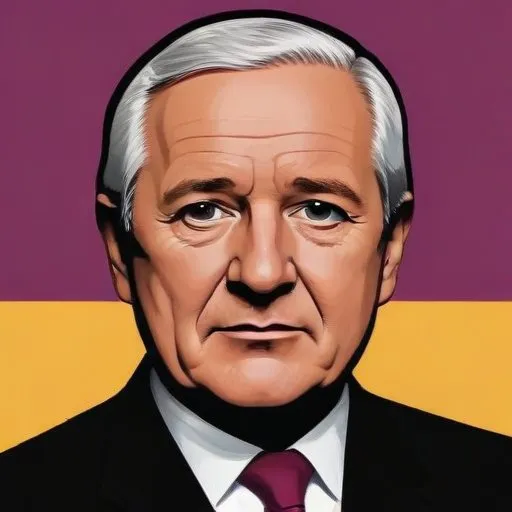
The 20th Premier of New South Wales, serving from 1920 to 1921, known for his brief but significant tenure during a time of post-war reconstruction and industrial unrest.
John Storey, the 20th Premier of New South Wales, is remembered for his pivotal role in steering the state's Labor Party through tumultuous times, expertly navigating the treacherous waters of conscription and socialist ideologies. Through his remarkable leadership, Storey not only salvaged the party's reputation but also paved the way for its continued success as a left-wing pragmatist force.
Born on May 15, 1869, in Huskisson, New South Wales, Storey's life was marked by the struggles of his working-class family. His English immigrant parents, William John and Elizabeth Graham, instilled in him a strong sense of determination and resilience. After his father's untimely death, Storey's family moved to Balmain, where he received his education at Darling Road Superior Public School and night school.
Storey's entry into politics began with his involvement in the Labor Electoral League, the precursor to the Labor Party, in 1891. His dedication and charisma soon earned him a seat in the Legislative Assembly, representing Balmain North in 1901. Although he faced setbacks, including defeat in 1904, Storey persisted, ultimately regaining his seat in 1907.
Storey's leadership skills became apparent during the McGowen Labor government in 1910, although he opted not to seek a Cabinet position. However, in 1916, he became thehead of a provisional Cabinet, following a party revolt against Premier William Holman. Although the party eventually reversed its decision, Storey's brief tenure demonstrated his ability to lead and navigate complex political landscapes.
The conscription debate of 1916 marked a significant turning point in Australian politics, with Storey firmly opposing the policy. His stance alienated him from Prime Minister Billy Hughes and Premier Holman, who eventually broke away from the Labor Party to form the Nationalist Party. Storey's unwavering commitment to his principles earned him the respect of his peers and cemented his position as a leader in the Labor Party.
In 1920, Storey's dedication and leadership skills were recognized when he was appointed Premier of New South Wales. During his tenure, he worked tirelessly to rebuild the Labor Party, fostering an environment of collaboration and cooperation. Tragically, his leadership was cut short by his sudden death on October 5, 1921.
John Storey's impact on Australian politics cannot be overstated. His leadership during a time of great upheaval ensured the Labor Party's survival and paved the way for its continued success. Today, he is remembered as a champion of working-class values, a devoted leader, and a true pragmatist. His legacy continues to inspire future generations of politicians and citizens alike.
Born in 1860
The 6th Prime Minister of Australia, a key figure in the country's early 20th-century politics, known for his role in shaping Australia's economy and foreign policy. He played a crucial part in Australia's transition from a British colony to an independent nation.
Born in 1845
The 4th Prime Minister of Australia, a Scottish-Australian lawyer and politician who served from 1904 to 1905, known for his role in shaping the country's early years and contributing to its growth.
Born in 1867
Third Prime Minister of Australia, serving from 1904 to 1905, known for his efforts to establish a national government and implement progressive reforms.
Born in 1862
The 5th Prime Minister of Australia, a key figure in the country's early 20th-century politics, known for his role in shaping Australia's social and economic landscape. He played a crucial part in establishing the country's old-age pension and maternity allowance systems.
Born in 1862
A carpenter-turned-politician who served as Australia's 7th Prime Minister, known for his strong leadership during World War I and his role in shaping the country's post-war development.
Born in 1889
English cricketer who played for Worcestershire and Oxford University, known for taking 179 wickets in the 1911 season, a record that stood for over 50 years.
Born in 1855
The 18th Premier of New South Wales, a pioneering Australian politician who played a crucial role in shaping the country's early 20th-century politics and infrastructure development. He's most known for his progressive reforms and nation-building initiatives.
Born in 1871
The 19th Premier of New South Wales, a key figure in Australian politics, known for his contributions to the country's development during the late 19th century. He played a significant role in shaping the state's infrastructure and economy.
