


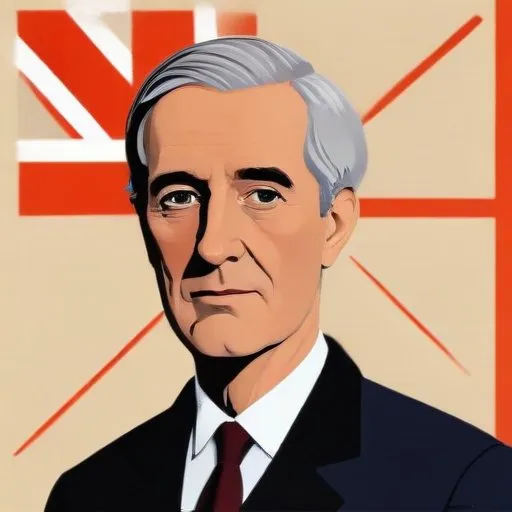
The 19th Premier of New South Wales, a key figure in Australian politics, known for his contributions to the country's development during the late 19th century. He played a significant role in shaping the state's infrastructure and economy.
William Holman, the 19th Premier of New South Wales, is best known for his tumultuous tenure from 1913 to 1920, marked by party splits, leadership shake-ups, and significant policy reforms. As a key figure in Australian politics, Holman's legacy extends beyond his premiership, with lasting impacts on the country's Labor and Nationalist parties.
Born in St. Pancras, London, in 1871, Holman's early life was shaped by his actor parents and his own apprenticeship as a cabinetmaker. He arrived in Australia at 17 and soon became an active member of the labour movement, working as a journalist and union official. His entry into politics came in 1898 with his election to the New South Wales Legislative Assembly.
Despite his electoral success, Holman's Nationalist Party suffered a heavy defeat in the 1920 election, resulting in his loss of the premiership and his own seat. He returned to his legal practice and was made King's Counsel. In 1931, Holman was elected to the House of Representatives for the United Australia Party, but his health was failing, and he passed away in 1934 before completing his first term.
Holman's legacy is complex, marked by both significant achievements and bitter party divisions. His premiership saw the introduction of key reforms, including the establishment of the NSW Electricity Commission and the expansion of workers' compensation. While his party splits and leadership changes have been subject to controversy, Holman's impact on Australian politics remains undeniable. He played a crucial role in shaping the country's Labor and Nationalist parties, leaving behind a lasting legacy in the world of politics.
Born in 1815
A pioneering figure in Australian politics, instrumental in shaping the country's federation and unity, known for his tireless advocacy for a unified Australia.
Born in 1787
Served as a U.S. Representative from Virginia and later as a judge, known for his strong stance against slavery and secession. Played a key role in the American Civil War era.
Born in 1820
The 6th Premier of New South Wales, a pioneering leader who played a crucial role in shaping the Australian state's early development, particularly in education and infrastructure.
Born in 1845
The 4th Prime Minister of Australia, a Scottish-Australian lawyer and politician who served from 1904 to 1905, known for his role in shaping the country's early years and contributing to its growth.
Born in 1860
The 6th Prime Minister of Australia, a key figure in the country's early 20th-century politics, known for his role in shaping Australia's economy and foreign policy. He played a crucial part in Australia's transition from a British colony to an independent nation.
Born in 1862
The 5th Prime Minister of Australia, a key figure in the country's early 20th-century politics, known for his role in shaping Australia's social and economic landscape. He played a crucial part in establishing the country's old-age pension and maternity allowance systems.
Born in 1867
Third Prime Minister of Australia, serving from 1904 to 1905, known for his efforts to establish a national government and implement progressive reforms.
Born in 1856
The 2nd Prime Minister of Australia, a key figure in the country's early development, known for his role in shaping Australia's constitution and federation. He played a crucial part in uniting the country's six colonies into a single nation.
