


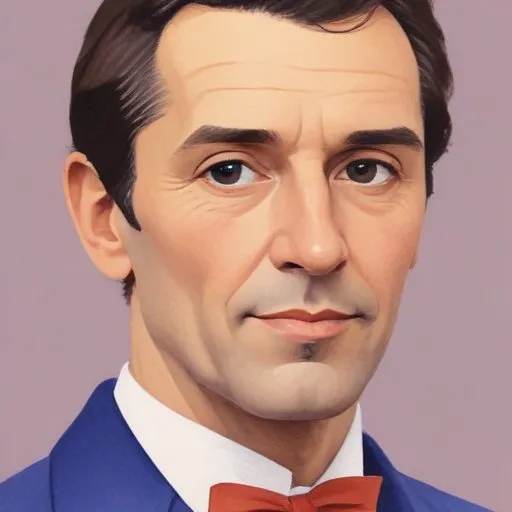
A British artist specializing in landscape and animal paintings, particularly known for his depictions of rural scenes and horses. His works are characterized by warm colors and attention to detail.
William Payne, a prominent English painter and etcher, is best known for inventing Paynes grey, a neutral tint composed of indigo, raw sienna, and lake. This innovative creation, along with his pioneering techniques, propelled watercolour art to new heights, making him one of the most fashionable drawing masters in London.
Born on March 4, 1760, in Exeter, Payne's artistic journey began in his early years. With an innate talent for painting, he experimented with various techniques, eventually developing his signature style.
Payne's artistic approach was marked by several groundbreaking innovations. He introduced techniques such as splitting the brush to create foliage, dragging tints to achieve textured foregrounds, and using bread and rag to remove forms of light. Abandoning the use of outline with the pen, Payne's work shifted from mere topography to a more poetical treatment of landscape scenery.
Paynes grey, Payne's most notable invention, revolutionized watercolour painting. This unique tint, composed of indigo, raw sienna, and lake, provided artists with a new range of possibilities for capturing light and atmosphere in their work.
In 1809, Payne was elected an associate of the Watercolour Society, a prestigious organization dedicated to promoting watercolour art. During his four-year association, he contributed seventeen drawings to their exhibitions, showcasing his remarkable talent.
Payne's artistic style underwent a significant transformation in the later years of his life, shifting towards mannerism. He passed away in 1830, leaving behind a legacy that had significantly advanced the technique of watercolour painting.
Payne's innovative techniques and inventions had a profound impact on the art world. His contributions paved the way for future generations of watercolour artists, influencing the development of the medium and its applications.
Payne's artistic philosophy was centered around pushing the boundaries of watercolour art, and his quotes reflect this commitment to innovation:
...the invention by which he is best known is a neutral tint composed of indigo, raw sienna, and lake called Paynes grey.
This quote highlights Payne's most significant contribution to the art world, a testament to his enduring legacy.
Payne's life and work are a testament to the power of innovation and creativity. His contributions to watercolour art continue to inspire artists to this day, ensuring his legacy endures as a pioneering figure in the art world.
Born in 1776
A Romantic-era painter celebrated for capturing the essence of the English countryside through serene, naturalistic landscapes, often featuring skies and clouds.
Born in 1727
A prominent 18th-century painter of landscapes and portraits, capturing the essence of British aristocracy and gentry with elegance and refinement.
Born in 1723
A prominent portrait painter and art educator who helped establish the Royal Academy of Arts, known for his influential teachings and masterful depictions of 18th-century British aristocracy.
Born in 1907
The 43rd Governor of Michigan was a prominent businessman and politician who played a significant role in shaping the state's economy and politics. He's most known for his innovative leadership and advocacy for civil rights.
Born in 1756
A Scottish portrait painter renowned for capturing the subtleties of human expression and character in his vivid, psychologically astute works, often featuring members of the Scottish aristocracy.
Born in 1769
A prominent portrait painter and educator who dominated English art in the late 18th and early 19th centuries, capturing the likenesses of European royalty and aristocracy.
