


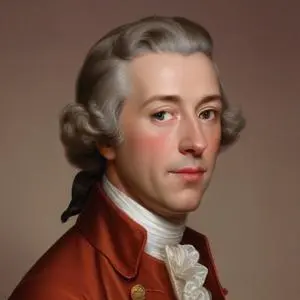
Led Britain to victory in the Seven Years' War, establishing the country as a dominant world power, and was a strong advocate for British colonial expansion. He's also known for his exceptional oratory skills and leadership during times of crisis.
William Pitt, 1st Earl of Chatham, is renowned as the prime minister who led Britain to victory in the Seven Years War, solidifying the nation's dominance over world affairs. He is also celebrated for his unwavering commitment to British greatness, expansionism, and empire, as well as his unrelenting opposition to corruption in government.
Pitt's impressive oratory skills and strong conviction made him a force to be reckoned with in British politics. He served as Prime Minister of Great Britain from 1766 to 1768 and was known for his leadership during the Seven Years War, including the French and Indian War in the American colonies. His leadership was marked by a single-minded devotion to victory over France, which ultimately led to Britain's emergence as a dominant world power.
Pitt was a staunch supporter of British expansionism and empire, believing that the nation's greatness depended on its ability to expand its territories and influence. He advocated for a strong military and was willing to take bold action to protect British interests. This commitment to British greatness earned him the respect and admiration of his contemporaries.
"I am sure that I can save this country and that no one else can."
In conclusion, William Pitt, 1st Earl of Chatham, was a remarkable leader who shaped Britain's destiny through his unwavering commitment to British greatness, expansionism, and empire. His legacy continues to influence British identity and direction to this day, making him one of the most significant figures in British history.
Born in 1749
A prominent 18th-century politician who championed individual liberties and opposed British imperialism, known for his charismatic oratory skills and influential foreign policy decisions.
Born in 1759
An 18th-century academic and politician who served as Prime Minister of the United Kingdom, known for his role in abolishing the slave trade in the British Empire.
Born in 1712
A skilled lawyer and politician who served as Prime Minister of Great Britain, known for implementing the Stamp Act, a taxation policy that sparked American colonial resistance.
