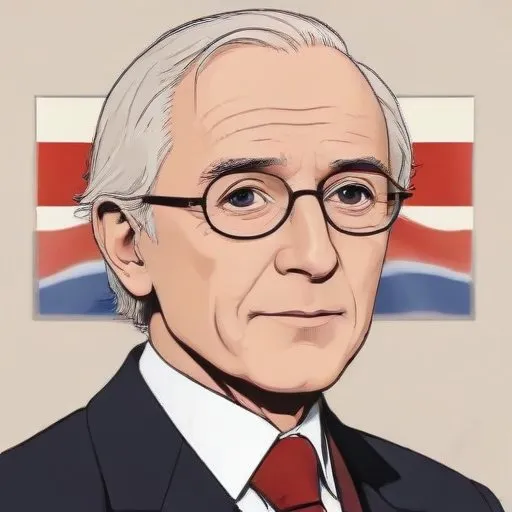
William Grenville: The Champion of Abolition
A Legacy of Moral Courage
William Wyndham Grenville, 1st Baron Grenville, is remembered as the British Prime Minister who played a pivotal role in the abolition of the slave trade in 1807. As a statesman of unwavering conviction, Grenville's unrelenting pursuit of justice and equality left an indelible mark on the annals of British history.
Early Life and Education
Born on October 25, 1759, Grenville was the son of
George Grenville, a Whig Prime Minister, and Elizabeth Wyndham, daughter of Sir William Wyndham, 3rd Baronet. He was educated at Eton College, Christ Church, Oxford, and Lincolns Inn, where he developed a keen sense of politics and a strong moral compass.
A Rising Star in Politics
Grenville entered the House of Commons in 1782, representing the borough of Buckingham. His close alliance with his cousin, Prime Minister
William Pitt the Younger, catapulted him to prominence. He served as Secretary to the Lord Lieutenant of Ireland, Paymaster of the Forces, and Home Secretary, honing his skills and building a reputation as a capable and principled leader.
The Abolition of the Slave Trade
Grenville's crowning achievement came in 1807, when he succeeded in pushing through the Slave Trade Act, abolishing the slave trade in the British Empire. This monumental achievement was the culmination of years of tireless advocacy and perseverance. Grenville's unwavering commitment to ending the injustices of slavery earned him the respect and admiration of his contemporaries.
A Turbulent Tenure as Prime Minister
Grenville's tenure as Prime Minister from 1806 to 1807 was marked by challenges and controversies. Despite his success in abolishing the slave trade, his government struggled to make peace with France and achieve Catholic emancipation. Falling short of expectations, his government was ultimately dismissed in 1807.
Personal Milestones and Relationships
Grenville's personal life was marked by notable relationships and milestones. He was uncle to the 1st Duke of Buckingham and Chandos, and cousin to William Pitt the Younger. He married Anne Pitt, the daughter of Lord Camden, and had two daughters with her.
Legacy and Impact
William Grenville's legacy extends far beyond his time in office. His unwavering commitment to moral justice and his role in abolishing the slave trade have inspired generations to come. His contribution to British politics and his unshakeable resolve in the face of adversity have earned him a place among the most revered figures in British history.
Quotes and Memorable Sayings
- "The slave trade is a stain on our national character, and I am determined to erase it."
- "Justice and morality demand that we act, and act now, to end the horrors of slavery."
Historical Context and Legacy
Grenville's abolition of the slave trade was a beacon of hope in a era marked by imperial expansion and colonial exploitation. His legacy serves as a powerful reminder of the importance of moral courage and principled leadership.
Comparative Analysis with Contemporaries
Grenville's commitment to abolition sets him apart from his contemporaries, who often prioritized imperial interests over moral principle. His leadership and conviction in the face of opposition demonstrate a level of statesmanship rare in his time.
Awards and Honors
- Baron Grenville, of Wotton under Bernewood in the County of Buckingham (1790)
Trivia and Fun Facts
- Grenville was a descendant of Lady Katherine Grey, a great-granddaughter of Henry VII and Elizabeth of York.
- He was related to the Pitt family by marriage, with William Pitt the Younger as his first cousin.
FAQ
What were William Grenvilles most significant achievements as Prime Minister of the United Kingdom?
William Grenville served as Prime Minister of the United Kingdom from 1806 to 1807 and is notable for his efforts to abolish the slave trade, reform the electoral system, and strengthen the British economy.
What was William Grenvilles role in the formation of the Ministry of All the Talents?
William Grenville played a key role in the formation of the Ministry of All the Talents, a coalition government that brought together some of the most prominent politicians of the time, including Charles James Fox and Lord Sidmouth.
How did William Grenvilles academic background shape his political career?
William Grenvilles academic background at Eton College and Christ Church, Oxford, prepared him for a career in politics. He was known for his intellectual rigor and eloquence, which served him well in his roles as Member of Parliament and Prime Minister.
What was William Grenvilles stance on the French Revolution?
William Grenville was opposed to the French Revolution and its radical ideology, which he saw as a threat to British stability and security. He supported Pitt the Youngers government in its efforts to counter the Revolutions influence in Europe.
What legacy did William Grenville leave behind in British politics?
William Grenvilles legacy in British politics is marked by his commitment to reform, his dedication to the abolition of the slave trade, and his leadership during a turbulent period in British history.