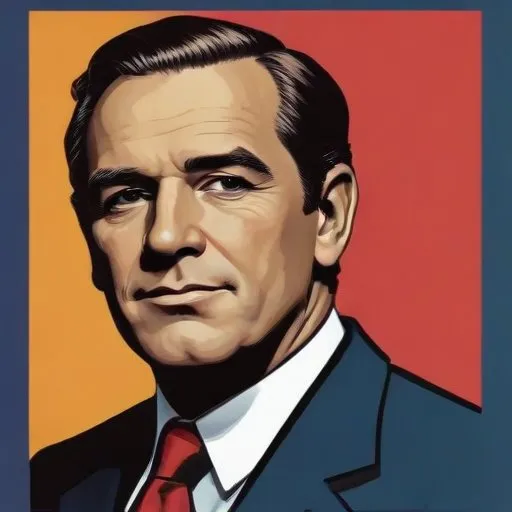
William Plankinton: The Meat Packing Magnate and Philanthropist
A Legacy of Industry and Controversy
William Plankinton was a titan of the American meat packing industry, building a business empire that spanned from Milwaukee to New York, and leaving an indelible mark on the nation's culinary landscape. As a prominent businessman, manufacturer, and industrialist, Plankinton's name became synonymous with quality meat products, but his life was not without controversy.
Early Life and Education
Born on November 7, 1843, in Allegheny, Pennsylvania, William Plankinton was the son of
John Plankinton and Elizabeth Bracken Plankinton. His family moved to Milwaukee, Wisconsin Territory, when he was still a baby, and he received his early education in the Milwaukee public schools. After graduating from high school, he attended a college in Milwaukee, laying the foundation for his future success.
A Career of Entrepreneurship and Innovation
Plankinton's career began in his father's pork and beef packing company, where he quickly rose through the ranks to become a partner. He played a pivotal role in establishing branches in Chicago, Kansas City, and New York, solidifying the company's position as a leading player in the industry. In 1893, the firm became known as the Plankinton Packing Company, with the Cudahy brothers moving their operations to a site just outside of Milwaukee.
In addition to his work in the meat packing industry, Plankinton was a serial entrepreneur, helping to found and organize several companies, including the Milwaukee-based Johnson Electric Company and the Western Portland Cement company in Yankton, South Dakota.
A Commitment to Public Service and Philanthropy
Throughout his life, Plankinton was dedicated to giving back to his community, holding several public offices and serving as a director of the Milwaukee museum, the city public library, and the Milwaukee industrial exposition. He was also associated with the Layton art gallery and the local Chamber of Commerce.
The Postal Telegraph Company and Banking Ventures
Plankinton was one of the financial backers of the Postal Telegraph Company, which involved telegraph lines in Wisconsin and Michigan. In 1891, he became vice-president of the Plankinton Bank upon his father's death, and was involved in settling the affairs when the bank failed.
Controversy and Scandal
Despite his many achievements, Plankinton's life was not without controversy. He was implicated in a scandal of fraud and embezzlement, for which he was sued. Although the details of the scandal are unclear, it undoubtedly tarnished his reputation and left a lasting impact on his legacy.
Legacy and Impact
Despite the controversy that surrounded him, William Plankinton's contributions to the meat packing industry and his philanthropic efforts continue to be felt today. His legacy serves as a testament to the power of innovation, entrepreneurship, and public service.
- Founded the Plankinton Packing Company, a leading player in the meat packing industry
- Helped establish companies such as Johnson Electric Company and Western Portland Cement company
- Served as a director of the Milwaukee museum, public library, and industrial exposition
- Associated with the Layton art gallery and the local Chamber of Commerce
- Financial backer of the Postal Telegraph Company
William Plankinton's life may have been marked by controversy, but his impact on the meat packing industry and his commitment to public service and philanthropy continue to inspire generations of entrepreneurs and business leaders.
FAQ
What was William Plankintons role in the development of American industry?
William Plankinton was a prominent businessman and industrialist who played a significant role in the development of American industry, particularly in the fields of iron and steel production.
How did William Plankinton contribute to the growth of Milwaukee?
William Plankintons business activities helped to stimulate economic growth and development in Milwaukee, making it a major industrial center in the Midwest.
What is William Plankintons legacy?
William Plankintons legacy is one of entrepreneurship and innovation. He was a true pioneer in the field of industry, and his work paved the way for future generations of American business leaders.
Is William Plankinton recognized today?
Yes, William Plankinton is recognized today as an important figure in American industrial history, and his contributions to the development of Milwaukee are still celebrated and recognized.
How did William Plankintons work impact American society?
William Plankintons work had a profound impact on American society, helping to drive industrial growth and development, and shaping the countrys economic and cultural landscape.