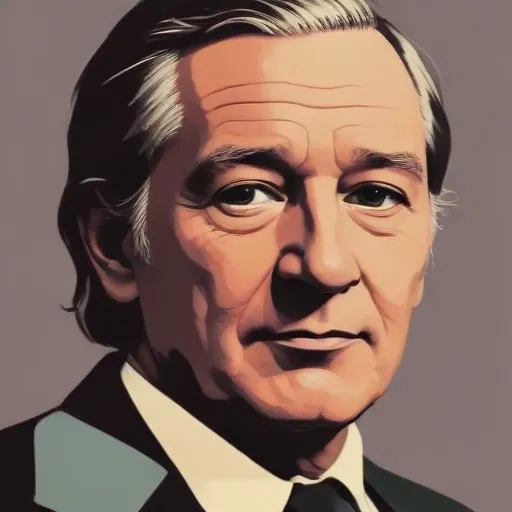
William Styron: A Literary Giant of the American South
A Master of Controversy and Critical Acclaim
William Styron was an American novelist and essayist renowned for his unflinching portrayal of the human condition, tackling themes of racial tension, mental illness, and the complexities of the American South. His most famous novel,
Confessions of Nat Turner, soared to literary heights, earning him both critical acclaim and controversy.
Early Life and Influences
Born on June 11, 1925, in Newport News, Virginia, Styron's upbringing was marked by the confluence of Northern and Southern perspectives. His mother, Pauline Margaret Abraham, hailed from the North, while his father,
William Clark Styron, was a Southern liberal. This dichotomy would later shape his writing, imbuing it with a deep understanding of the region's complexities.
Styron's childhood was also affected by his father's struggles with clinical depression, a condition that would later afflict him as well. The loss of his mother to breast cancer in 1939, when he was just 14, had a profound impact on his life and writing.
Education and Early Writing
Styron attended Christchurch School, an Episcopal college-preparatory school in Virginia, where he developed a deep affection for literature. He went on to enroll in Davidson College and later transferred to Duke University, where he was part of the U.S. Navy and Marine Corps V12 program. During this time, he began reading the works of
Thomas Wolfe, which would significantly influence his writing style.
Styron's early writing endeavors saw him publish short stories in the university literary magazine, The Archive, showcasing his growing talent. His writing was heavily influenced by William Faulkner, whom he would later cite as a major influence.
Literary Career and Major Works
Styron's literary career spanned several decades, during which he penned several critically acclaimed novels and essays. Some of his notable works include:
- Confessions of Nat Turner (1967) - a Pulitzer Prize-winning novel that sparked controversy and debate
- Sophie's Choice (1979) - a heart-wrenching novel that won the National Book Award
- Darkness Visible: A Memoir of Madness (1990) - a memoir that chronicled his struggles with depression
Awards and Honors
Throughout his career, Styron received numerous awards and honors for his contributions to literature, including:
- Pulitzer Prize for Fiction for Confessions of Nat Turner (1968)
- National Book Award for Sophie's Choice (1980)
- KT O'Hearn Award for Literary Excellence (1991)
Personal Life and Legacy
Styron's personal life was marked by struggles with depression, which he wrote about candidly in his memoir,
Darkness Visible. He married Rose Burgunder in 1953, and the couple had four daughters together. Styron passed away on November 1, 2006, leaving behind a literary legacy that continues to inspire and provoke readers.
Today, Styron's work remains a testament to his unwavering commitment to exploring the complexities of the human experience, earning him a place among the greatest American writers of the 20th century.
Trivia and Fun Facts
- Styron's birthplace was less than 100 miles from the site of Nat Turner's slave rebellion, an event that would later inspire his most famous novel.
- He was a member of the Phi Delta Theta fraternity during his time at Davidson College.
Influencing Modern Society
Styron's writing has had a profound impact on modern society, inspiring new generations of writers and thinkers. His work continues to spark discussions around racial tension, mental illness, and the complexities of the American South, cementing his place as a literary giant of the 20th century.
FAQ
What was William Styrons most famous novel?
William Styrons most famous novel is Sophies Choice, a powerful and emotional exploration of the human cost of the Holocaust. The novel won the National Book Award and was adapted into a successful film.
What themes did William Styron explore in his writing?
William Styrons writing often explored themes of identity, morality, and the human condition. His work was characterized by its lyricism, complexity, and emotional depth.
How did William Styrons Southern roots influence his writing?
William Styrons Southern upbringing deeply influenced his writing, with many of his works exploring aspects of Southern culture, history, and identity. His writing often reflected the complexities and contradictions of the American South.
What was William Styrons approach to storytelling?
William Styron was known for his innovative approach to storytelling, which often blended elements of fiction, history, and memoir. His writing was characterized by its emotional intensity, complex characters, and exploration of the human condition.
What awards did William Styron receive for his writing?
William Styron received numerous awards for his writing, including the National Book Award, the Pulitzer Prize, and the Legion of Honour.