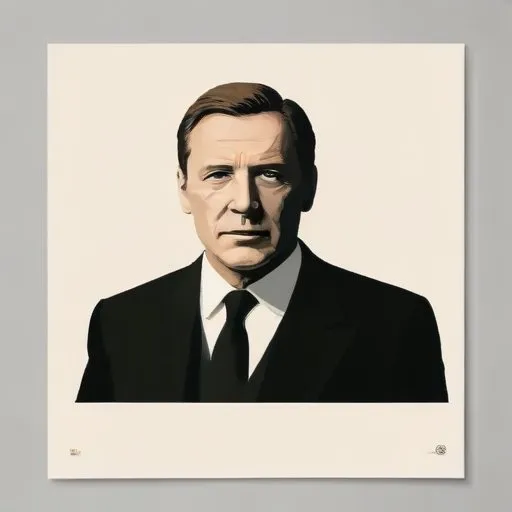
Wolfgang Wagner: A Pillar of Opera Direction and Bayreuth Festival
Legacy in Opera Direction
Wolfgang Wagner, a German opera director, is renowned for his tenure as the director (Festspielleiter) of the Bayreuth Festival, a position he held alongside his brother Wieland from 1951 until the latter's death in 1966. Thereafter, he assumed total control until his retirement in 2008, leaving an indelible mark on the world of opera.
Early Life and Family Ties
Born on August 30, 1919, in Bayreuth, Bavaria, Wolfgang Wagner was the son of Siegfried Wagner, the son of the legendary
Richard Wagner, and the great-grandson of
Franz Liszt. His mother, Winifred Wagner (née Williams-Klindworth), was English, and the family's cultural heritage played a significant role in shaping his future. Wolfgang was the youngest of four siblings, including Wieland, Friedelind, and Verena.
Bayreuth Festival and Career Highlights
Upon assuming the role of Festspielleiter, Wolfgang Wagner commissioned numerous productions, some of which faced severe criticism. Despite the controversy, his contributions to the Bayreuth Festival are undeniable. He oversaw the productions of many notable operas, including
Der Ring des Nibelungen,
Die Meistersinger von Nürnberg, and
Parsifal. Wolfgang's commitment to preserving the Wagnerian tradition earned him international recognition and respect.
Philosophical Contributions and Beliefs
Wolfgang Wagner's artistic vision was deeply rooted in the philosophical and aesthetic principles of his family's cultural legacy. He believed in preserving the integrity of his grandfather's works while adapting them to modern audiences. This approach often led to controversy, but it also sparked important discussions about the role of opera in contemporary society.
Personal Milestones and Key Life Events
- 1923: Met Adolf Hitler, who became a regular visitor to the Wagner family home, Wahnfried.
- 1933: Hitler appointed Chancellor of Germany, showering favors on the Wagner family.
- 1939: Wolfgang joined the German Army, but was severely wounded in the arm during the Polish campaign.
- 1940: Discharged as medically unfit and later visited by Hitler in the hospital.
- 1945: Married Ellen Drexel, with whom he had two children, Eva and Gottfried.
- 1975: Banned Gottfried from the family villa due to public criticism.
- 2002: Ellen Drexel passed away, and Wolfgang married Gudrun Mack in 2007.
Controversies and Public Perception
Wolfgang Wagner's life was not without controversy. His family's association with Adolf Hitler and the Nazi regime has been a subject of much debate and criticism. Furthermore, his strict control over the Bayreuth Festival and his handling of family conflicts have often been scrutinized by the media and the public.
Influence on Modern Society
Despite the controversies, Wolfgang Wagner's contributions to the world of opera and his dedication to preserving the Wagnerian legacy have left an indelible mark on modern society. His commitment to artistic excellence and his vision for the Bayreuth Festival have inspired generations of opera enthusiasts, performers, and directors.
Historical Context and Legacy
Wolfgang Wagner's life and career are inextricably linked to the tumultuous history of the 20th century. His experiences during World War II and his family's associations with the Nazi regime continue to spark important discussions about the role of art in society and the responsibility of artists to confront their cultural heritage.
Comparative Analysis with Contemporaries
Wolfgang Wagner's artistic vision and contributions to the Bayreuth Festival are often compared to those of his contemporaries, such as
Herbert von Karajan and
Georg Solti. While their approaches differed, they all shared a deep commitment to preserving the integrity of classical music and opera.
Personal Relationships and Anecdotes
Wolfgang Wagner's personal relationships were often marked by conflict and controversy. His estrangement from his daughter Eva and his banning of Gottfried from the family villa are well-documented examples. However, his relationships with conductors and performers, such as
Karl Böhm and
Birgit Nilsson, were often marked by mutual respect and admiration.
Impact on Pop Culture
Wolfgang Wagner's legacy extends beyond the world of opera to popular culture. His influence can be seen in films, such as
The Great Dictator (1940), and in literature, including
Thomas Mann's
Doctor Faustus (1947).
Awards and Honors
Throughout his career, Wolfgang Wagner received numerous awards and honors, including the Grand Cross of Merit of the Federal Republic of Germany and the Bavarian Order of Merit.
Charitable Work and Social Contributions
Wolfgang Wagner was dedicated to supporting arts education and cultural institutions. He worked tirelessly to promote the Bayreuth Festival and to ensure its continued success.
Inspirational Stories and Motivations
Wolfgang Wagner's life serves as a testament to the power of dedication and perseverance. Despite facing controversy and criticism, he remained committed to his artistic vision, inspiring generations of artists and audiences alike.
Trivia and Fun Facts
- Wolfgang Wagner was a member of the Hitler Youth, but never joined the Nazi Party.
- He was the last direct descendant of Richard Wagner to hold the position of Festspielleiter.
- Wolfgang Wagner passed away on March 21, 2010, at the age of 90, leaving behind a legacy of artistic excellence and dedication to the world of opera.