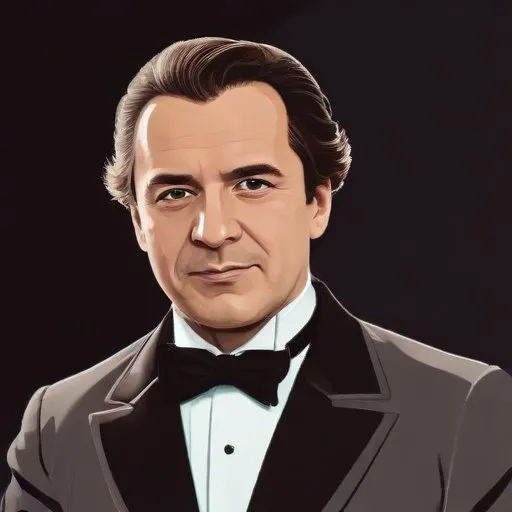
Karl Böhm

Karl Böhm

Karl Böhm was born on August 28th, 1894

Full Name: Karl Böhm
Nationality: Austrian
Profession: Conductor, director
Birth Year: 1894
Death Year: 1981
Notable Roles: Vienna State Opera, Berlin State Opera
Musical Style: Operatic conductor
Notable Recordings: Mozart, Strauss operas

A renowned opera conductor and director, celebrated for his interpretations of Mozart, Wagner, and Strauss, leading top orchestras and opera houses worldwide.

Written by: Rajesh Kumar Rajesh Kumar

Karl Bhm: The Maestro of Mozart and Wagner

The Conductor's Conductor

Karl Bhm was a name synonymous with the grandeur of opera, a master conductor who breathed life into the works of Mozart, Wagner, and Richard Strauss. With a career spanning over five decades, Bhm left an indelible mark on the world of classical music, earning the respect and admiration of his peers and audiences alike.

Early Life and Education

Born on August 28, 1894, in Graz, Austria, Bhm was the son of a lawyer. Initially, he pursued a career in law, earning a doctorate in the subject. However, his passion for music soon took over, and he enrolled at the Vienna Conservatory, where he studied under Eusebius Mandyczewski, a friend of Johannes Brahms.

The Rise to Prominence

Bhm's conducting career began in 1917, as a rehearsal assistant in his hometown of Graz. His debut performance was of Viktor Nessler's Der Trompeter von Säckingen in 1917. Over the next few years, he honed his craft, becoming the assistant director of music in 1919 and the senior director in 1920. In 1921, on the recommendation of Karl Muck, Bruno Walter engaged Bhm at the Bavarian State Opera, Munich, marking the beginning of his association with the opera house.

Munich, Darmstadt, and Hamburg

During his time in Munich, Bhm conducted Mozart's Die Entführung aus dem Serail, featuring a talented cast, including Maria Ivogün, Paul Bender, and Richard Tauber. In 1927, he became the chief musical director in Darmstadt, and in 1931, he took on the same role at the Hamburg State Opera, a position he held until 1934.

Vienna, Dresden, and Salzburg

In 1933, Bhm made his Vienna debut, conducting Wagner's Tristan und Isolde. The following year, he succeeded Fritz Busch as the head of Dresden's Semper Opera, remaining there until 1942. This period was significant, as he conducted the first performances of Richard Strauss's Die schweigsame Frau (1935) and Daphne (1938), which was dedicated to him. Bhm also made his mark at the Salzburg Festival, conducting Don Giovanni in 1938 and becoming a regular guest conductor thereafter.

A Legacy of Excellence

Throughout his career, Bhm worked with the greatest opera houses and orchestras, leaving an indelible mark on the world of classical music. His legacy extends beyond his impressive discography and conducting credits to the generations of musicians he inspired and mentored.

Personal Milestones and Key Life Events

Bhm's personal life was marked by his dedication to his craft and his love for his wife, the soprano Thea Linhard. He passed away on August 14, 1981, leaving behind a rich legacy that continues to nourish the world of classical music.

Quotes and Memorable Sayings

"The conductor must be the servant of the composer, not his master." - Karl Bhm Bhm's humble approach to conducting and his unwavering commitment to the music have made him a beloved figure in the world of classical music. His legacy continues to inspire and delight audiences, ensuring that the music of Mozart, Wagner, and Richard Strauss remains alive and vibrant for generations to come.
Timeline
1894
Born in Graz, Austria
Karl Böhm was born on August 28, 1894, in Graz, Austria. He would go on to become an Austrian conductor and director.
1917
Became Assistant Conductor
Böhm became the assistant conductor of the Graz Opera House, beginning his career as a conductor.
1927
Debuted at Vienna State Opera
Böhm made his debut at the Vienna State Opera, conducting a production of Fidelio. He would go on to become a regular conductor at the opera house.
1938
Became Director of Vienna State Opera
Böhm became the director of the Vienna State Opera, a position he held until 1943.
1981
Passed Away in Graz
Karl Böhm passed away on August 14, 1981, in Graz, Austria, leaving behind a legacy as one of the most important conductors of the 20th century.
Karl Böhm

Karl Böhm Quiz

Karl Böhm was particularly renowned for his interpretations of which composer's operas?

Score: 0/10
FAQ
What was Karl Böhms contribution to opera?
Karl Böhm was an Austrian conductor and director who made significant contributions to the world of opera. He was known for his interpretations of Mozart, Wagner, and Strauss, and was a leading figure in the post-war revival of opera in Europe.
What was Karl Böhms role at the Vienna State Opera?
Karl Böhm was the director of the Vienna State Opera from 1943 to 1945 and again from 1954 to 1956. During his tenure, he oversaw the rebuilding of the opera house and restored its reputation as a leading cultural institution.
What was Karl Böhms conducting style?
Karl Böhm was known for his precise and nuanced conducting style, which emphasized clarity, balance, and musicality. He was particularly noted for his interpretations of Mozarts operas, which were characterized by their lyricism and elegance.
What awards did Karl Böhm receive?
Karl Böhm received several awards for his contributions to opera, including the Austrian Decoration for Science and Art and the German Bundesverdienstkreuz.
What was Karl Böhms legacy in opera?
Karl Böhms legacy in opera is that of a visionary conductor and director who helped to shape the course of opera in the 20th century. He is remembered for his tireless advocacy for opera and his commitment to preserving and promoting the classical operatic repertoire.

Related People:

Herbert von Karajan

Born in 1908

A renowned maestro who led the Berlin Philharmonic for over three decades, elevating its reputation through precise and dramatic performances. He's also famous for his numerous recordings and charismatic stage presence.

Richard Strauss

Born in 1864

A renowned composer and conductor of the late Romantic era, known for his tone poems and operas that showcased his mastery of orchestration and expressive storytelling.

Gustav Mahler

Born in 1860

A visionary composer and conductor who expanded symphonic music's emotional depth and complexity, creating works of profound beauty and intensity.

Richard Wagner

Born in 1813

A revolutionary composer who transformed opera with his epic, mythological works, creating a new era of musical storytelling. His iconic operas, such as "Der Ring des Nibelungen," continue to captivate audiences worldwide.

Felix Mendelssohn

Born in 1809

A renowned 19th-century musician who masterfully blended classical and romantic styles, creating iconic works like the "Wedding March" and "Elijah" oratorio. His compositions continue to inspire and influence generations of artists.

Franz Liszt

Born in 1811

A virtuosic pianist and composer who revolutionized classical music with his technically demanding and emotionally expressive works, blending Hungarian folk influences with Romantic-era drama.

Johannes Brahms

Born in 1833

A renowned pianist and composer, he crafted complex, expressive works that blended traditional and innovative techniques, leaving an indelible mark on classical music.

Anton Bruckner

Born in 1824

A renowned composer of symphonies and sacred music, known for his complex harmonies and innovative orchestration. His works are considered a bridge between Romanticism and modern classical music.