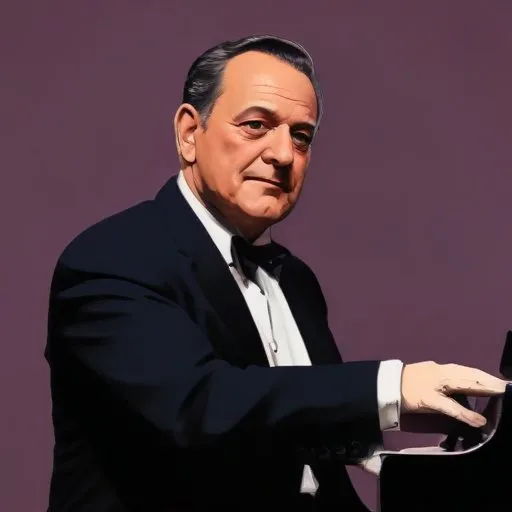
Bruno Walter: The Maestro of 20th Century Classical Music
A Legacy of Musical Excellence
Bruno Walter, a renowned German-born conductor, pianist, and composer, left an indelible mark on the world of classical music. With a career spanning over five decades, he is widely regarded as one of the greatest conductors of the 20th century, celebrated for his interpretations of
Gustav Mahler's works and his influence on the development of classical music.
Early Life and Musical Beginnings
Born Bruno Schlesinger on September 15, 1876, in Berlin, Germany, Walter was raised in a middle-class Jewish family. He began his musical education at the tender age of eight at the Stern Conservatory, making his first public appearance as a pianist at nine. His early talent and dedication led to performances with the Berlin Philharmonic, including a concerto movement in 1889 and a full concerto in 1890.
The Formative Years: Studying with Mahler
Walter's life-changing encounter with
Hans von Bülow's concert in 1889 steered him towards a career in conducting. He debuted as a conductor at the Cologne Opera in 1894, followed by a stint as a chorus director at the Hamburg Opera, where he met and worked with Gustav Mahler. This pivotal experience shaped Walter's artistic vision and cemented his lifelong devotion to Mahler's music.
Rise to Prominence: Conducting Engagements and Recordings
Throughout his illustrious career, Walter held esteemed positions with prominent orchestras, including the Leipzig Gewandhaus Orchestra, New York Philharmonic, and Concertgebouw Orchestra. He also made historic recordings with the Vienna Philharmonic, many of which remain classics to this day. His interpretations of Mahler's symphonies, in particular, are considered definitive and continue to inspire generations of musicians.
The Nazi Era and Exile
In 1933, Walter fled Nazi Germany, eventually becoming a French citizen in 1938. He settled in the United States in 1939, where he continued to conduct and record, spreading Mahler's music to new audiences.
Philosophical Contributions and Influences
Walter's artistic philosophy emphasized the importance of conveying the composer's intent, rather than imposing personal interpretations. He believed in the transformative power of music, stating, "Music is the only language that can reach the heart of humanity without the need for words." His performances and recordings continue to inspire musicians and audiences alike, leaving a lasting impact on the world of classical music.
Personal Milestones and Key Life Events
- 1889: Heard Hans von Bülow's concert, deciding to pursue a career in conducting
- 1894: Conducting debut at the Cologne Opera
- 1896: Appointed Kapellmeister of the Stadttheater in Breslau
- 1933: Fled Nazi Germany, eventually settling in the United States
- 1938: Became a naturalized French citizen
- 1962: Passed away on February 17th, leaving behind a legacy of musical excellence
Legacy and Impact on Modern Society
Walter's legacy extends far beyond his own performances and recordings. He played a crucial role in popularizing Mahler's music, ensuring its place in the classical repertoire. His commitment to artistic integrity and his passion for music continue to inspire new generations of musicians, conductors, and music lovers worldwide.
Comparative Analysis with Contemporaries
Walter's unique blend of interpretive insight, technical mastery, and emotional depth set him apart from his contemporaries. While conductors like
Arturo Toscanini and
Wilhelm Furtwängler were known for their precision and authority, Walter's distinctive approach emphasized the expressive and poetic aspects of the music.
Trivia and Fun Facts
- Walter was known for his dry wit and sense of humor, often cracking jokes to ease tension during rehearsals
- He was a prolific composer, penning numerous works, including operas, symphonies, and chamber music
- Walter's recordings remain highly sought after by collectors and music enthusiasts
Inspirational Stories and Motivations
Bruno Walter's remarkable life serves as a testament to the power of dedication, perseverance, and artistic passion. His commitment to his craft and his unwavering support for the music of Gustav Mahler continue to inspire generations of musicians and music lovers, reminding us of the transformative impact of classical music on human experience.
FAQ
What was Bruno Walters most famous composition?
Bruno Walter was a renowned composer and conductor, and his most famous composition is arguably his Symphony No. 1 in D minor. This symphony, which premiered in 1898, showcases Walters mastery of classical music and his ability to evoke deep emotions through his work.
Who did Bruno Walter study music with?
Bruno Walter studied music with some of the most prominent musicians of his time, including Hans Richter and Gustav Mahler. He also worked as an assistant to Mahler at the Vienna Opera House, where he honed his skills as a conductor.
What orchestras did Bruno Walter conduct?
Bruno Walter conducted some of the worlds most renowned orchestras, including the Vienna Philharmonic, the Berlin Philharmonic, and the New York Philharmonic. He was known for his interpretations of Mozart, Beethoven, and Brahms, and was praised for his ability to bring out the best in his orchestras.
How did Bruno Walter escape Nazi Germany?
In 1933, Bruno Walter, who was of Jewish descent, was forced to flee Nazi Germany due to the increasing persecution of Jews. He emigrated to Austria and later settled in the United States, where he continued to conduct and compose music.
What is Bruno Walters legacy in classical music?
Bruno Walters legacy in classical music is that of a master conductor and composer. He is remembered for his innovative interpretations of classical music and his ability to bring out the best in his orchestras. Walters music continues to be celebrated and performed around the world.