


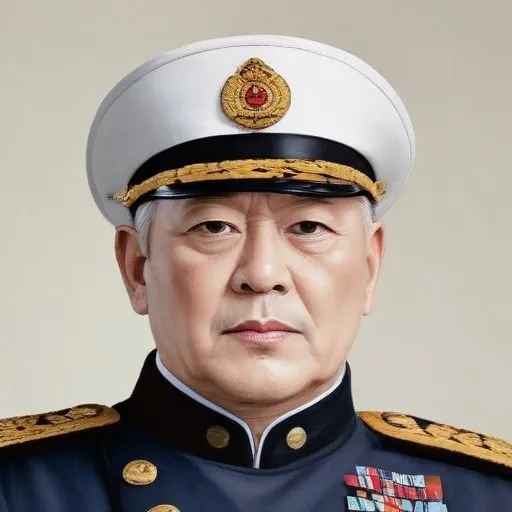
A 16th-century Korean naval commander who led the country's resistance against Japanese invasions, credited with developing innovative warship designs and tactics. He's revered as a national hero for his bravery and strategic genius.
Won Gyun, a Korean general and admiral, is revered for his bravery and strategic prowess in battling against the Japanese invasions of Korea during the Joseon period. He is particularly famous for his campaigns against Toyotomi Hideyoshi's forces, which had unified Japan and set its sights on conquering Korea and eventually China.
Born on February 12, 1540, in Pyeongtaek, Won Gyun hailed from the esteemed Wonju Won clan, renowned for its military accomplishments. From a young age, he demonstrated exceptional martial skills, which earned him a spot as a military officer. Initially assigned to the northern border, Won Gyun successfully defended against the Jurchens, a group of nomadic people who frequently raided Korean villages.
Won's impressive military record led to his promotion to admiral in 1592, a position that tasked him with commanding the Western Fleet in Gyeongsang Province. Alongside Yi Sunsin, who had become admiral before him, Won Gyun was responsible for protecting the southern coast of Korea from Japanese invaders. Notably, both Won and Yi were cavalry leaders with no prior experience in naval warfare, making their subsequent achievements all the more remarkable.
Won Gyun's military prowess was showcased in several decisive battles against the Japanese. Some of his most notable victories include:
Won Gyun's unwavering dedication to defending Korea against the Japanese invasions cemented his legacy as a national hero. His fearlessness and strategic genius inspired countless Koreans to resist the Japanese occupation. Today, he is celebrated as a symbol of Korean patriotism and a testament to the country's rich military history.
Won Gyun's life was marked by several significant milestones, including:
Although Won Gyun's beliefs are not extensively documented, his actions and decisions suggest a strong commitment to defending his country and protecting his people. His unwavering dedication to Korea's sovereignty reflects a deep sense of patriotism and loyalty.
Won Gyun's legacy continues to inspire Koreans today, serving as a powerful reminder of the country's rich history and cultural heritage. His bravery and selflessness have made him an iconic figure in Korean folklore, with many schools, streets, and monuments named in his honor.
Born in 1545
A Korean naval commander who invented the iron-clad warship, known as the "turtle ship," and led the country to victory against the Japanese invasion in the 16th century.
Born in 1397
Creator of the Korean alphabet, Hangul, and a visionary leader who promoted education, science, and the arts, transforming Korea into a cultural and economic powerhouse.
Born in 1367
The third king of the Joseon Dynasty, he's known for establishing a strong and efficient government, reforming the tax system, and creating a professional military. He's also infamous for his ruthless purge of officials who opposed him.
