


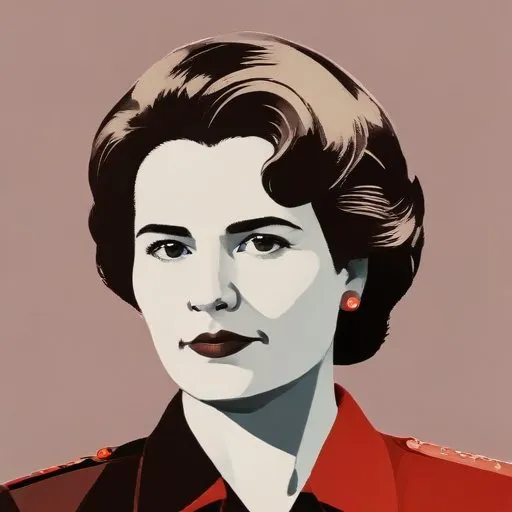
A prominent human rights activist in the Soviet Union, she fought for democracy and exposed government abuses, earning her the Nobel Peace Prize in 1975.
Yelena Bonner, a renowned human rights activist, was the embodiment of courage and resilience in the face of adversity. As the wife of Nobel laureate Andrei Sakharov, Bonner dedicated her life to fighting for freedom, justice, and democracy in the former Soviet Union.
Bonner's early life was marred by tragedy. Born in 1923 in Merv, Turkestan ASSR, Soviet Union (now Mary, Turkmenistan), her father was arrested and executed as part of Stalin's Great Purge in 1937. Her mother, Ruth, was arrested soon after and spent ten years in the Gulag, followed by nine years of internal exile.
Bonner's family had a summer dacha in Sestroretsk, where she cherished fond memories. Despite the hardships, she volunteered for the Red Army's Hospital in 1941, serving as a head nurse during World War II. Bonner was wounded twice and was honorably discharged as a disabled veteran in 1946. She then pursued a degree in pediatrics from the First Leningrad Medical Institute, graduating in 1950.
Bonner's activism began in the 1960s, when she joined the Moscow Human Rights Committee. She soon became a prominent figure in the dissident movement, fighting for the rights of political prisoners, freedom of speech, and human rights. Her blunt honesty and courage earned her the respect and admiration of her contemporaries.
In medical school, Bonner met her first husband, Ivan Semyonov, with whom she had a daughter, Tatiana, in 1950, and a son, Alexey. Her marriage to Andrei Sakharov in 1972 further solidified her commitment to the human rights movement.
Bonner received numerous awards for her tireless efforts, including the Rafto Prize (1991) and the Order of the Golden Ark (2003). She was also nominated for the Nobel Peace Prize in 2005.
Yelena Bonner's unwavering dedication to human rights has left an indelible mark on modern society. Her courage in the face of oppression has inspired generations of activists, and her legacy continues to inspire people around the world to stand up for their rights and fight against injustice.
Yelena Bonner's remarkable life is a testament to the power of courage, perseverance, and dedication to the cause of human rights. Her legacy serves as a beacon of hope, inspiring us to stand up for what is right and to fight for a better world.
Through her life and work, Bonner has shown us that even in the darkest of times, there is always hope for a brighter future. Her story serves as a reminder that ordinary people can make an extraordinary impact when they stand up for their beliefs and fight for what is just.
Born in 1921
A Soviet physicist and dissident who advocated for human rights and nuclear disarmament, earning a Nobel Peace Prize in 1975. He's known for his courageous stance against the Soviet regime, promoting peace and democracy.
50 Years Old
A Russian lawyer and politician who has been a vocal critic of corruption and has led anti-government protests, known for his fearless activism and YouTube investigations exposing corruption.
95 Years Old
The last leader of the Soviet Union, who introduced reforms that led to the end of the Cold War and the collapse of communism, earning a Nobel Peace Prize. He's known for his policies of glasnost and perestroika, which transformed the Soviet Union and the world.
95 Years Old
First President of Russia, leading the country's transition from communism to democracy, and known for his bold reforms and iconic leadership style.
74 Years Old
A Russian politician who has dominated the country's politics for over two decades, known for his authoritarian leadership style and controversial foreign policy decisions.
Born in 1918
A South African lawyer and politician who fought against apartheid, becoming the country's first black president and a symbol of racial reconciliation, earning a Nobel Peace Prize. He's a beacon of hope and freedom.
81 Years Old
A democracy icon and human rights activist, she led the fight against Myanmar's military rule and was awarded the Nobel Peace Prize in 1991.
29 Years Old
A courageous advocate for girls' education, particularly in her native Swat Valley, who survived a Taliban assassination attempt and continues to inspire global change through her activism and writing.
